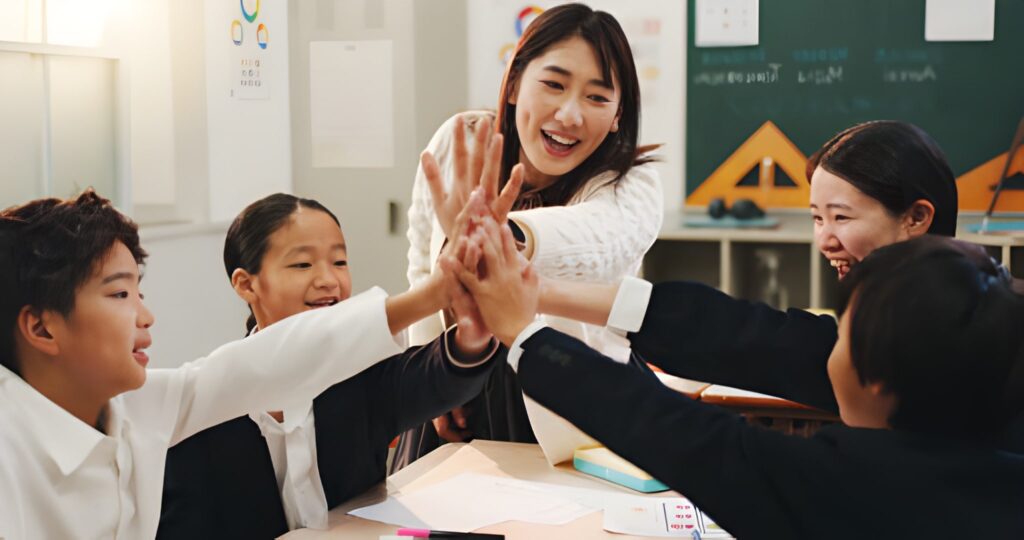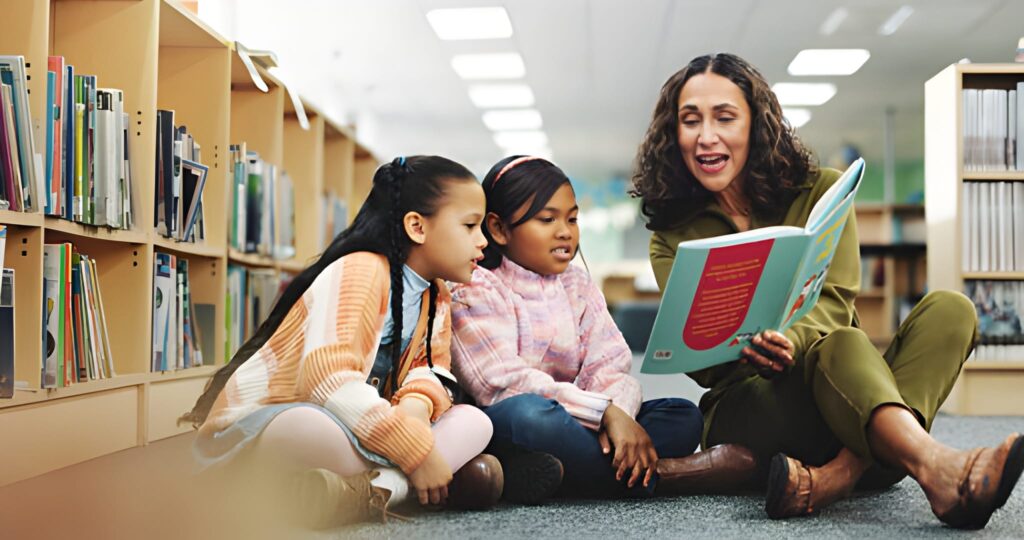
The early years of a child’s life are crucial for developing cognitive, social, emotional, and physical skills that lay the groundwork for lifelong learning. The Academy for Early Learning is a comprehensive program designed to nurture young minds through a balanced, engaging, and structured curriculum. The academy combines play-based activities, hands-on experiences, and holistic learning approaches to foster curiosity, creativity, and confidence. Its mission is to provide a safe, stimulating, and inclusive environment where children thrive academically, socially, and emotionally.
Philosophy and Approach
The Academy for Early Learning is guided by a child-centered philosophy:
- Individualized Learning: Tailoring activities to each child’s interests, abilities, and pace.
- Play-Based Learning: Encouraging exploration, imagination, and active engagement.
- Holistic Development: Integrating cognitive, social-emotional, creative, and physical growth.
- Family Involvement: Parents are partners in learning, supporting growth both at home and at the academy.
- Inclusivity: Children from diverse backgrounds and abilities are supported and celebrated.
Curriculum Framework
The academy’s curriculum is structured around seven key developmental areas aligned with international early learning standards:
- Language and Literacy: Early reading, phonics, storytelling, vocabulary building, and writing readiness.
- Mathematics: Counting, number sense, patterns, shapes, measurement, and basic problem-solving.
- Science and Discovery: Observation, experiments, nature exploration, sensory play, and inquiry-based learning.
- Social-Emotional Development: Sharing, empathy, cooperation, emotional regulation, and conflict resolution.
- Creative Arts: Music, dance, visual arts, drama, and imaginative activities to encourage self-expression.
- Physical Development: Fine and gross motor skills, coordination, balance, and healthy habits.
- Cognitive and Critical Thinking: Problem-solving, reasoning, memory, and logical thinking skills.
Example Learning Activities
- Alphabet Adventure (Language & Literacy): Children engage in letter recognition games, storytelling sessions, and interactive reading exercises to build phonics and vocabulary skills.
- Number Garden (Mathematics): Sorting, counting, and pattern recognition activities using blocks, beads, or natural objects teach early numeracy.
- Mini Science Lab (Science & Discovery): Hands-on experiments like plant growth observation or floating/sinking objects encourage inquiry and critical thinking.
- Emotion Circle (Social-Emotional): Role-playing and discussion about feelings develop empathy, self-awareness, and cooperation.
- Art & Music Studio (Creative Arts): Drawing, painting, singing, and dancing activities enhance creativity, fine motor skills, and self-expression.
- Movement Zone (Physical Development): Outdoor games, obstacle courses, and yoga routines build gross motor skills, balance, and coordination.
- Puzzle and Logic Corner (Cognitive Development): Age-appropriate puzzles, sequencing, and problem-solving activities strengthen memory, attention, and reasoning.
Table: Academy for Early Learning – Developmental Areas and Activities
| Development Area | Example Activity | Skills Developed |
|---|---|---|
| Language & Literacy | Alphabet Adventure | Phonics, vocabulary, reading readiness |
| Mathematics | Number Garden | Numeracy, sequencing, problem-solving |
| Science & Discovery | Mini Science Lab | Observation, inquiry, critical thinking |
| Social-Emotional Development | Emotion Circle | Empathy, cooperation, self-regulation |
| Creative Arts | Art & Music Studio | Creativity, fine motor skills |
| Physical Development | Movement Zone | Gross motor skills, balance, coordination |
| Cognitive Development | Puzzle & Logic Corner | Memory, reasoning, problem-solving |
Assessment and Progress Tracking
The academy uses continuous and developmental assessments to track each child’s growth:
- Observation Records: Teachers note engagement, interactions, and skill development.
- Portfolios: Collections of artwork, writing samples, and project work showcase progress.
- Developmental Checklists: Monitoring milestones in cognitive, social-emotional, physical, and creative domains.
- Parent-Teacher Meetings: Regular discussions provide feedback, guidance, and strategies to reinforce learning at home.
Benefits of the Academy for Early Learning
- School Readiness: Children acquire academic, social, and emotional skills needed for formal education.
- Holistic Development: Cognitive, social-emotional, creative, and physical growth are simultaneously nurtured.
- Confidence and Independence: Children gain self-esteem through mastery, exploration, and decision-making.
- Family Engagement: Parents actively contribute to the learning process, enhancing continuity.
- Inclusive Learning Environment: Supports diverse abilities, cultures, and learning styles.
Comparison Table: Traditional Early Learning vs. Academy for Early Learning
| Feature | Traditional Learning | Academy for Early Learning |
|---|---|---|
| Learning Approach | Teacher-led, rigid | Child-centered, flexible, playful |
| Literacy Integration | Gradual introduction | Integrated into daily activities |
| Numeracy Approach | Abstract exercises | Hands-on, interactive, playful |
| Social-Emotional Focus | Limited | Embedded in all activities |
| Family Engagement | Occasional | Continuous and collaborative |
| Inclusivity | Varies | Inclusive and culturally responsive |
Conclusion
The Academy for Early Learning provides a comprehensive, child-centered approach that nurtures the whole child. Through an integrated curriculum encompassing literacy, numeracy, science, creative arts, physical activity, and social-emotional development, children develop the foundational skills, confidence, and curiosity needed for lifelong learning. The academy’s emphasis on play, exploration, family engagement, and inclusivity ensures that every child thrives academically, socially, and emotionally.