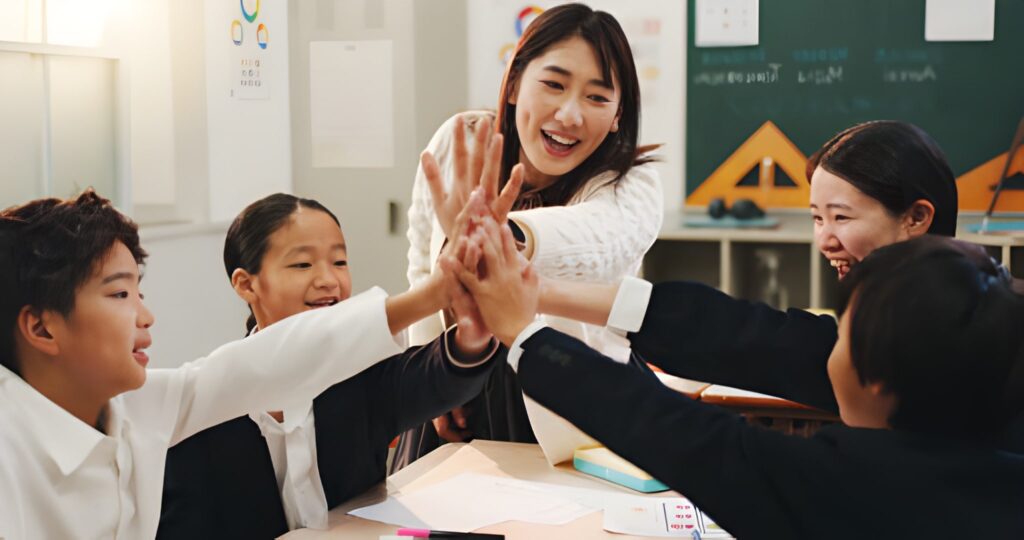
Early childhood is the most formative stage of human development. In the first five years, children form neural connections, social patterns, and emotional capacities that influence their entire lives. Parents across the United States face a crucial decision when selecting an early learning environment. The Affectionately Devoted Academy of Early Learning represents an ideal model of what early education should embody: warmth, structure, and a deep devotion to every child’s growth. This article explores the vision, philosophy, curriculum, teaching practices, parent partnerships, and societal implications of such an academy. It also examines comparisons with traditional childcare models, highlights data, and provides insights for families seeking the highest standard of care and education.
The Vision of the Affectionately Devoted Academy of Early Learning
The academy’s guiding philosophy rests on two intertwined principles: affection and devotion. Unlike many childcare settings that prioritize logistics or academics in isolation, this model integrates emotional warmth with intentional teaching. Affection ensures children feel secure and valued; devotion ensures their needs are consistently met with patience and purpose.
Core Values:
- Every child deserves respect, dignity, and individualized attention.
- Learning flourishes in a safe, affectionate environment.
- Early education should balance academic, social, emotional, and physical development.
- Families are active partners in the educational journey.
- Communities thrive when children receive high-quality foundational education.
Why Affection Matters in Early Childhood Education
The Science of Affection
Research in developmental psychology demonstrates that affectionate care directly influences brain growth, stress regulation, and long-term emotional health (Shonkoff & Phillips, 2000). Consistent affection lowers cortisol levels, strengthens secure attachment bonds, and improves self-regulation.
Illustration Example:
A toddler who receives warm hugs, affirming words, and predictable care learns to trust adults and feels safe exploring. In contrast, a toddler raised in a less affectionate environment may struggle with anxiety or exhibit withdrawn behaviors.
Practical Application in the Academy
- Teachers greet each child personally every morning.
- Positive touch, eye contact, and gentle reassurance are daily practices.
- Conflict resolution emphasizes empathy and emotional coaching rather than punishment.
Devotion as a Guiding Principle
Affection without devotion risks inconsistency. Devotion ensures that affection is steady, structured, and purposeful. In the academy, devotion appears as:
- Carefully planned curriculum aligned with developmental milestones.
- Long-term teacher commitment and low staff turnover.
- Continuous assessment of each child’s strengths and challenges.
- Advocacy for families in accessing resources such as nutrition, healthcare, and special services.
Comparison Table: Affection vs. Devotion in Practice
| Principle | Expression in Daily Routine | Long-term Impact on Child |
|---|---|---|
| Affection | Warm greetings, nurturing interactions, emotional coaching | Strong attachment, emotional security |
| Devotion | Consistency in teaching, structured care plans, intentional follow-up | Academic growth, resilience, lifelong confidence |
Curriculum Framework
The Affectionately Devoted Academy of Early Learning adopts a holistic curriculum. Instead of narrowly focusing on cognitive milestones, it blends multiple domains of growth:
1. Cognitive Development
- Early literacy through storytelling, phonemic awareness, and guided reading.
- Math readiness through pattern recognition, sorting, and counting activities.
- Science exploration through nature walks, experiments, and sensory play.
2. Social Development
- Group projects to encourage cooperation.
- Role-playing activities to strengthen empathy.
- Daily opportunities for peer interaction.
3. Emotional Development
- Journaling for preschoolers to express feelings.
- Emotion cards to help children name and recognize emotions.
- Guided mindfulness sessions.
4. Physical Development
- Outdoor play emphasizing gross motor skills.
- Fine motor activities like drawing, building, and threading.
- Nutrition education promoting lifelong healthy habits.
5. Creative Development
- Arts, crafts, and music integrated daily.
- Exposure to cultural diversity through stories and performances.
- Dramatic play to foster imagination.
Sample Daily Schedule Table
| Time | Activity | Developmental Focus |
|---|---|---|
| 8:30 AM | Warm welcome and circle time | Emotional bonding, community sense |
| 9:00 AM | Literacy and language activities | Cognitive development |
| 10:00 AM | Outdoor play | Physical growth, teamwork |
| 11:00 AM | Creative arts | Imagination, self-expression |
| 12:00 PM | Lunch | Nutrition, social skills |
| 1:00 PM | Rest time | Emotional regulation, health |
| 2:00 PM | Science exploration | Curiosity, problem-solving |
| 3:00 PM | Group projects | Social development, cooperation |
| 4:00 PM | Storytime and reflection | Language, emotional understanding |
Comparison with Traditional Childcare
Many parents wonder how an affectionately devoted academy differs from a standard daycare. The contrast lies not only in curriculum but in philosophy.
| Feature | Traditional Childcare | Affectionately Devoted Academy |
|---|---|---|
| Focus | Safety and basic care | Holistic growth and affection-based learning |
| Teacher Role | Caregiver, activity supervisor | Devoted educator, emotional coach |
| Curriculum | Structured mostly for convenience | Balanced across emotional, cognitive, physical, and creative domains |
| Parent Partnership | Limited to drop-off and pick-up | Active collaboration and resource sharing |
| Long-term Outcomes | Prepared for kindergarten | Prepared for life with resilience, empathy, and curiosity |
Teachers as the Heart of the Academy
Teachers serve as role models, caregivers, and guides. In this academy model, teacher selection emphasizes not only qualifications but also temperament and dedication.
Qualities of Teachers in the Academy:
- Patience and emotional intelligence.
- Training in early childhood education and child psychology.
- Commitment to long-term development, not just short-term results.
- Skill in balancing structured teaching with open-ended exploration.
Professional development is ongoing. Teachers engage in workshops on trauma-informed care, cultural sensitivity, and play-based learning strategies.
Parent and Community Partnership
Children thrive when families and schools align in philosophy. The academy actively engages parents through:
- Weekly newsletters highlighting classroom activities.
- Parent-teacher conferences focusing on strengths and growth opportunities.
- Workshops on child development, nutrition, and discipline strategies.
- Volunteer opportunities in classroom projects.
At a broader level, the academy partners with community organizations for field trips, service learning, and access to resources.
Measuring Success
Unlike traditional assessments, the academy emphasizes observational evaluations and developmental portfolios. Each child’s progress is tracked across domains:
- Cognitive: literacy readiness, number sense.
- Social: cooperation, conflict resolution.
- Emotional: ability to identify and regulate feelings.
- Physical: balance, coordination, fine motor strength.
- Creative: imagination, originality, self-expression.
Teachers compile anecdotal notes, artwork samples, and activity reflections into individualized portfolios. These offer a more complete picture than standardized testing alone.
Socioeconomic Considerations
Access to high-quality early learning remains unequal across the U.S. The academy model acknowledges barriers and advocates for inclusivity:
- Sliding scale tuition or scholarship programs.
- Bilingual instruction for diverse communities.
- Partnerships with social services to support families in need.
- Transportation support for children from underserved neighborhoods.
According to data from the National Institute for Early Education Research (NIEER, 2023), only 34% of U.S. four-year-olds are enrolled in state-funded preschool programs. Academies devoted to affection and quality can help bridge gaps.
Long-term Impact on Society
Children nurtured in affectionate and devoted academies often demonstrate:
- Higher academic achievement in later grades.
- Stronger emotional resilience.
- Lower behavioral issues.
- Increased civic engagement and empathy as adults.
These benefits ripple beyond individual families, contributing to stronger communities, reduced crime rates, and improved workforce readiness. Nobel laureate James Heckman’s research highlights that every dollar invested in high-quality early education returns up to $7 through societal benefits.
Future Directions
As society evolves, the Affectionately Devoted Academy of Early Learning must remain adaptable:
- Integrating technology responsibly without diminishing human connection.
- Expanding support for children with special needs.
- Continuing to research best practices in early education.
- Advocating for policies that make high-quality care accessible to all families.
Conclusion
The Affectionately Devoted Academy of Early Learning represents more than a school—it embodies a philosophy of nurturing, structured devotion to every child’s potential. Its emphasis on affection and devotion bridges the gap between care and education. Parents in the U.S. navigating diverse socioeconomic realities can look to this model as a standard of what early learning should achieve: children who feel secure, loved, and prepared not only for kindergarten but for life. Investing in such academies strengthens families, communities, and the nation as a whole.