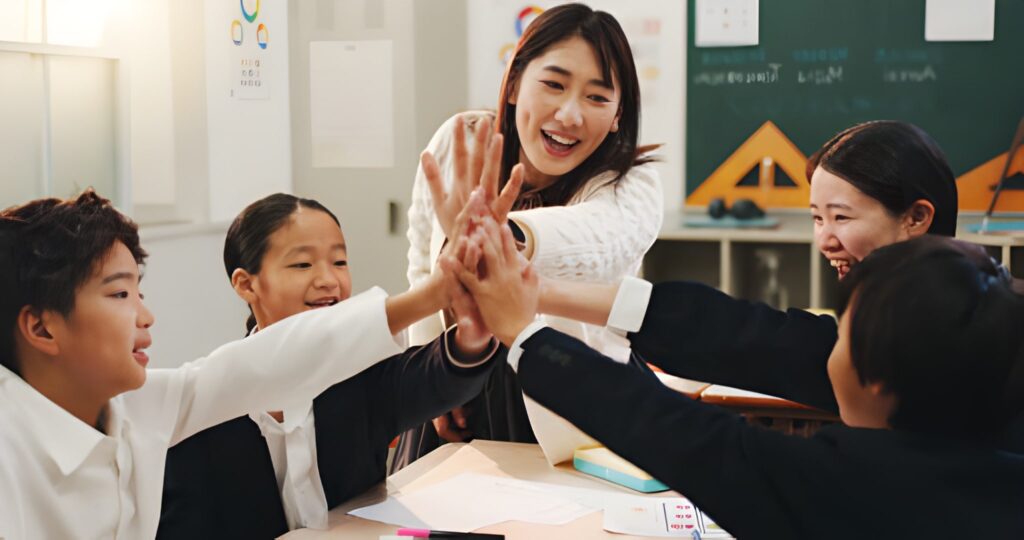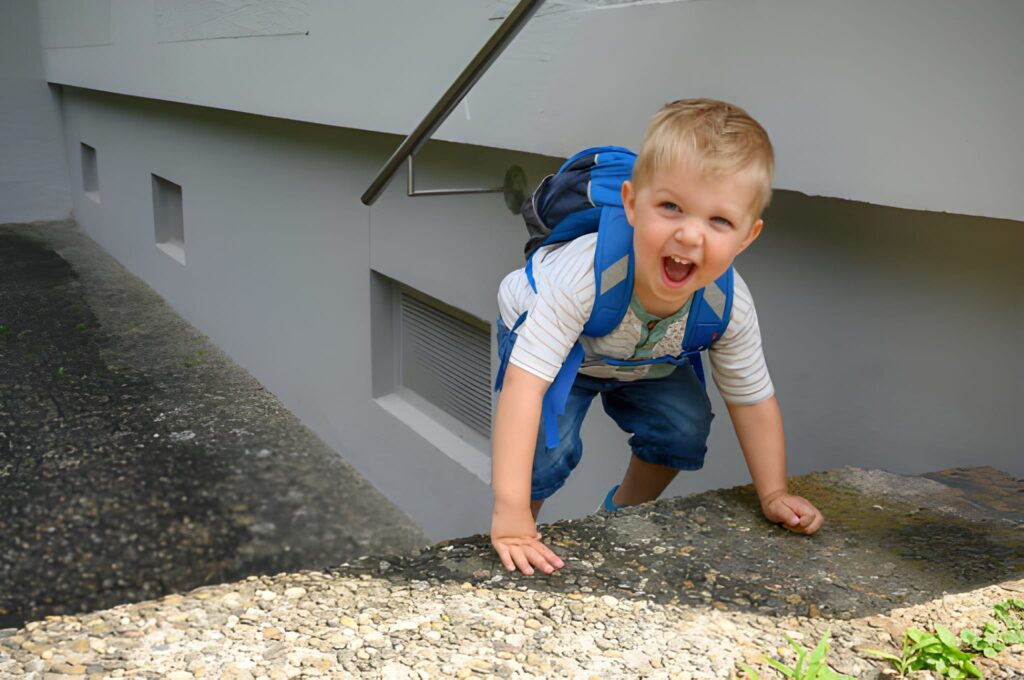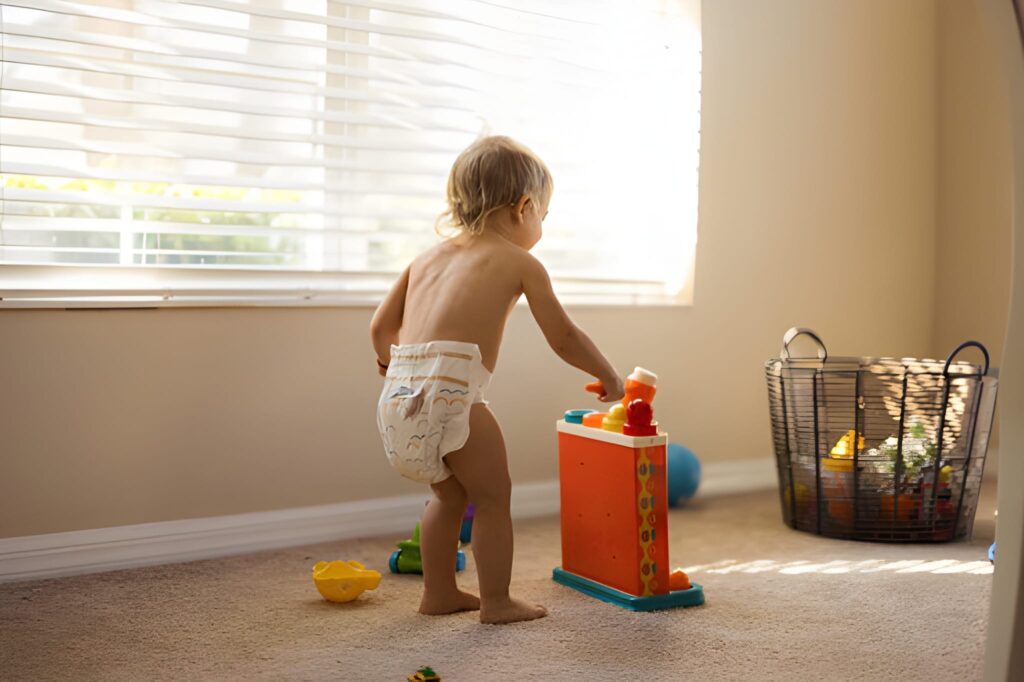
Early learning is often imagined as classrooms filled with colorful posters and alphabet songs, but in reality it extends far beyond formal instruction. It begins at birth and stretches through the early years of childhood, covering every moment when a child observes, experiments, or interacts with their surroundings. These years, usually defined as birth to age eight, form the foundation of human growth. They are not merely preparation for “real” learning later but represent a period when discovery and exploration shape the entire trajectory of development.
Children experience early learning as a sequence of adventures. A toddler who pours water into different containers is exploring concepts of volume and measurement. A preschooler who notices a worm in the garden is discovering biology and ecology. A group of kindergartners who turn their classroom chairs into a make-believe train are experimenting with collaboration, imagination, and role play. Every new question, every playful experiment, every challenge faced and overcome becomes part of the adventure.
Adventures in early learning can take place anywhere: in a living room, on a playground, in a library, or in a classroom. They do not require elaborate materials or costly technology. Instead, they thrive in settings where adults provide safety, encouragement, and opportunities to explore. Parents, caregivers, and teachers who frame early learning as an adventure invite children to see the world as a place filled with possibilities.
This article explores early learning through the lens of adventure, considering the science behind child development, the role of everyday environments, the importance of nature and play, the design of structured programs, and the challenges and opportunities families face across socioeconomic contexts. It emphasizes that early learning is a journey rich with discovery and that children thrive when given the chance to be explorers of their own worlds.
The Science of Early Learning
The idea of adventure in learning is rooted in the science of early childhood development. Research in neuroscience and developmental psychology confirms that the early years are the most formative for brain growth, emotional regulation, and social development.
Brain Development in the Early Years
The brain grows more rapidly in early childhood than at any other time in life. By age three, a child’s brain is about 80 percent of its adult size. Neural connections form at extraordinary speed, enabling children to process language, sensory input, emotions, and movement simultaneously. Every experience a child has—hearing a story, stacking blocks, tasting new foods—strengthens certain connections and prunes others.
| Age Range | Brain Development Highlights | Key Learning Characteristics |
|---|---|---|
| Birth–2 years | Rapid synapse formation; sensory and emotional input shape pathways | Learning through touch, sound, and movement; strong attachment to caregivers |
| 2–5 years | Growth in language, memory, and motor areas | Vocabulary expansion, imaginative play, fine motor development |
| 5–8 years | Pruning of unused synapses; strengthening of core networks | Logical reasoning, improved focus, deeper social understanding |
This accelerated development underscores why experiences during early childhood have lasting consequences. Positive interactions, such as responsive caregiving and playful exploration, strengthen pathways, while stress, neglect, or lack of stimulation can leave gaps that affect later learning.
Learning Through Play and Exploration
Play is the primary mode of early learning. Unlike structured instruction, play is spontaneous, child-led, and filled with discovery. Through play, children test hypotheses, experiment with roles, and practice resilience. Constructive play, such as stacking blocks or building with cardboard, introduces geometry, balance, and problem-solving. Dramatic play, like pretending to run a grocery store or acting out a favorite story, builds imagination, empathy, and communication skills. Physical play, such as climbing, running, or dancing, strengthens coordination, balance, and risk assessment.
These forms of play highlight why adventure is the best description of early learning. Children are not passively absorbing knowledge; they are actively constructing it through hands-on experience. Each attempt, whether successful or not, becomes a step in their journey.
Sensitive Periods and Windows of Opportunity
Neuroscience identifies sensitive periods in childhood when children are particularly receptive to learning certain skills. Language development, for example, is most flexible before age seven. Children exposed to multiple languages early can acquire them naturally, while older learners may need more structured practice. Similarly, sensitive periods exist for motor coordination, music perception, and even emotional regulation.
| Domain | Sensitive Period | Implications for Early Adventures |
|---|---|---|
| Language | Birth–7 years | Exposure to stories, songs, and conversation enriches vocabulary and grammar |
| Motor Skills | Birth–6 years | Crawling, climbing, and drawing develop coordination |
| Music & Rhythm | 2–6 years | Singing, drumming, and dancing build auditory pathways |
| Social-Emotional | Birth–8 years | Responsive relationships foster empathy, trust, and resilience |
Adventures in early learning provide the ideal environment for these windows to be nurtured. A child who explores language through songs at home, physical play at the park, and group collaboration in preschool is supported across all major domains of growth.