Early childhood is a foundational stage in human development, spanning roughly from birth to eight years old. During this period, children acquire critical cognitive, social, emotional, physical, and creative skills that set the stage for lifelong learning. Understanding the areas of learning and development in early years education helps parents, caregivers, and educators provide nurturing environments that meet each child’s unique needs. These areas are interconnected, and progress in one often supports growth in others.
The Seven Areas of Learning and Development
Early years education frameworks, such as the Early Years Foundation Stage (EYFS) in the UK and Head Start guidelines in the US, categorize learning into core areas to guide structured and holistic development. These are commonly divided into prime areas and specific areas.
Prime Areas of Learning
- Communication and Language
This area emphasizes listening, understanding, speaking, and expressing ideas effectively. Skills include:
- Listening and Attention: Following instructions, recognizing sounds, and focusing on stories or conversations.
- Understanding: Grasping meaning from language, instructions, and non-verbal cues.
- Speaking: Using vocabulary appropriately, forming sentences, storytelling, and expressing needs or emotions.
Activities such as singing, storytelling, role-play, and guided conversations enhance language development. Early language skills are strongly correlated with literacy, social competence, and academic success.
- Physical Development
Physical growth and coordination are essential for overall health and learning readiness. This area focuses on:
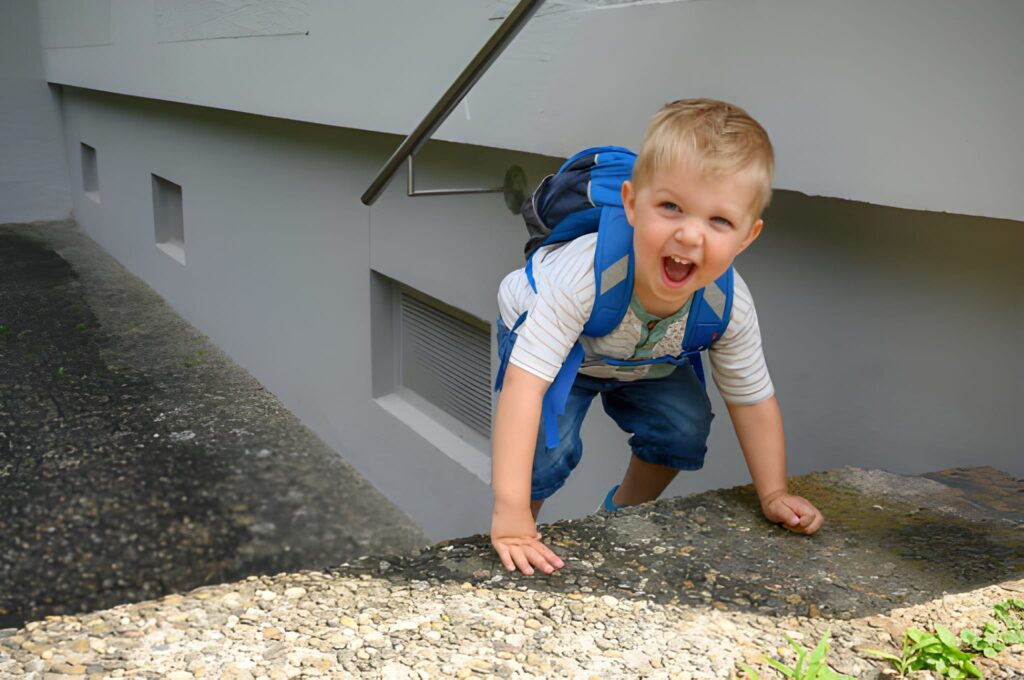
- Gross Motor Skills: Running, jumping, climbing, balancing, and coordination of large muscle groups.
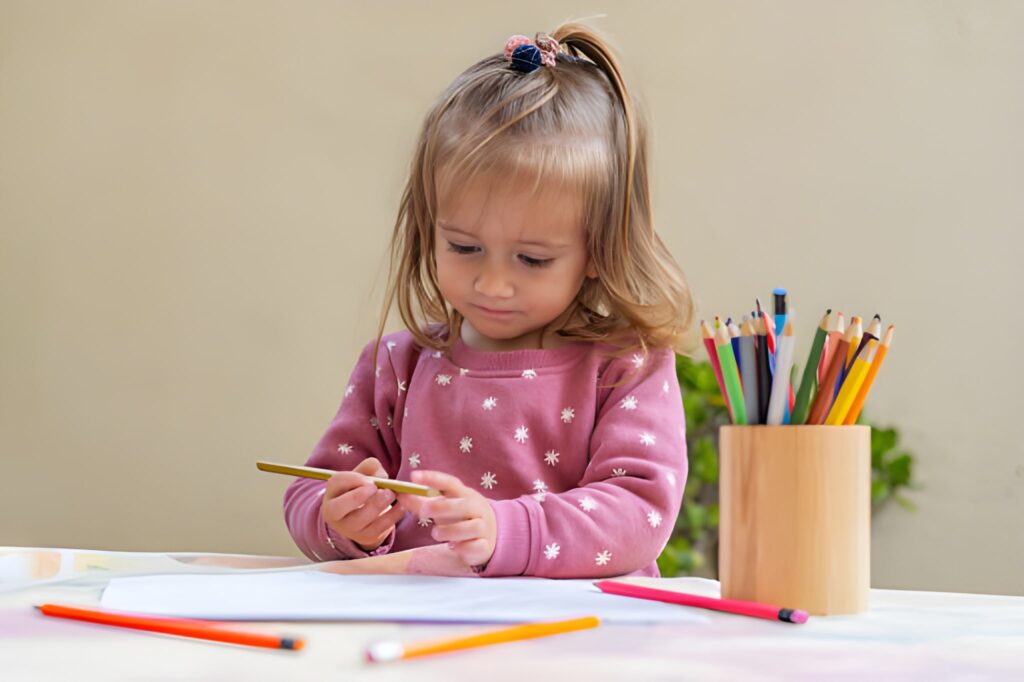
- Fine Motor Skills: Hand-eye coordination, manipulating objects, writing, drawing, and using utensils.
- Health and Self-Care: Understanding personal hygiene, nutrition, and safety practices.
Structured physical activities, outdoor play, and exercises like threading beads or building blocks support both gross and fine motor skills, while teaching children about bodily awareness and self-regulation.
- Personal, Social, and Emotional Development (PSED)
This area supports self-awareness, social skills, and emotional resilience. Key components include:
- Self-Confidence and Self-Awareness: Recognizing abilities, expressing needs, and making choices.
- Managing Feelings and Behaviour: Understanding emotions, coping strategies, and self-control.
- Making Relationships: Sharing, cooperating, and forming friendships.
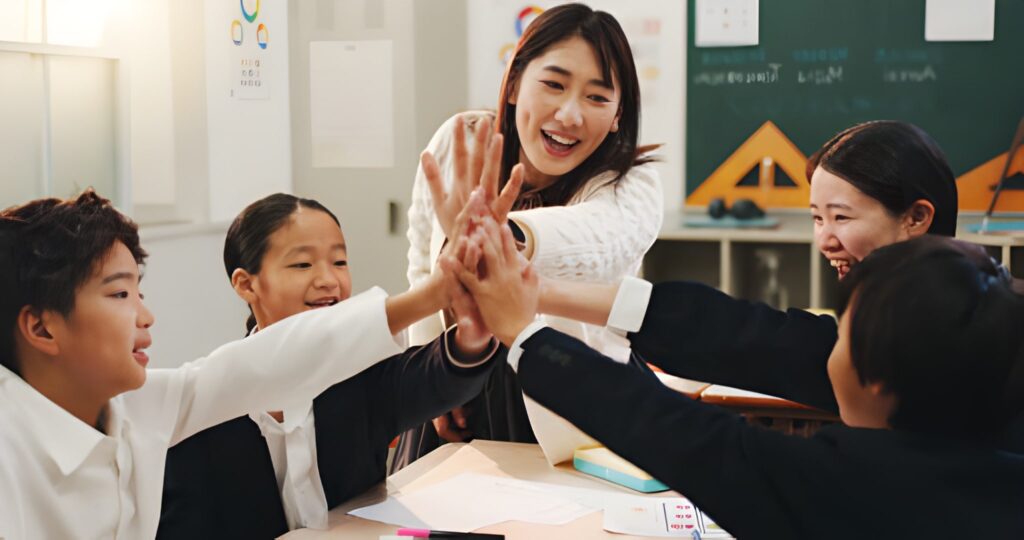
Activities like group play, cooperative games, and emotion recognition exercises help children build secure relationships, empathy, and adaptability.
Specific Areas of Learning
- Literacy
Literacy development focuses on reading, writing, and understanding language. Early literacy skills include:
- Reading: Recognizing letters, phonics, vocabulary building, and comprehension.
- Writing: Letter formation, storytelling, drawing to convey ideas, and early writing.
- Critical Thinking: Understanding narrative, sequencing events, and expressing ideas in writing.
Interactive reading sessions, storytelling, and letter-based games encourage children to develop confidence and fluency in literacy.
- Mathematics
Mathematical development introduces concepts of numbers, patterns, and problem-solving. Areas include:
- Number Recognition and Counting: Understanding quantities and sequences.
- Shape, Space, and Measures: Recognizing shapes, comparing sizes, understanding position and distance.
- Problem-Solving and Reasoning: Logical thinking, pattern recognition, and applying concepts to everyday life.
Hands-on activities, such as sorting objects, using blocks, or simple addition games, provide practical and engaging learning experiences.
- Understanding the World
This area promotes knowledge of the environment, people, and technology. Components include:
- People and Communities: Learning about family, friends, traditions, and social roles.
- The World: Exploring nature, geography, and science.
- Technology and Tools: Introduction to digital tools and their responsible use.
Field trips, nature walks, science experiments, and interactive technology help children explore, question, and understand the world around them.
- Expressive Arts and Design
Creativity and self-expression are central to this area, encompassing:
- Exploring and Using Media and Materials: Drawing, painting, sculpting, and crafting.
- Being Imaginative: Role-play, music, storytelling, and dance.
- Creative Problem-Solving: Experimenting with ideas and expressing emotions visually or audibly.
Activities like music sessions, dramatizations, and arts-and-crafts projects allow children to develop creativity, innovation, and confidence in self-expression.
Interconnectedness of Learning Areas
The areas of learning are not isolated. For example, language skills enhance literacy and communication, while social-emotional competence supports collaborative problem-solving. Educators often design activities that simultaneously engage multiple areas, such as a group art project that encourages cooperation (PSED), fine motor skills (Physical), and creativity (Expressive Arts).
Developmental Milestones and Tracking
Understanding typical milestones in each area helps educators and parents identify progress and potential areas requiring support. For instance:
| Area of Learning | Typical Milestones (Ages 3-5) | Observational Indicators |
|---|---|---|
| Communication & Language | Uses simple sentences, asks questions | Engages in conversations, follows instructions |
| Physical Development | Can hop, skip, use scissors | Shows coordination in play and drawing |
| PSED | Shares toys, expresses feelings | Manages emotions, forms friendships |
| Literacy | Recognizes letters, attempts writing | Enjoys stories, attempts to write name |
| Mathematics | Counts objects up to 10, sorts shapes | Solves simple problems using objects |
| Understanding the World | Explores nature, asks “why” questions | Identifies family roles, observes environment |
| Expressive Arts & Design | Creates simple art, sings songs | Participates in role-play, shows imagination |
Conclusion
Recognizing and nurturing the areas of learning and development in early years is essential for fostering well-rounded, confident, and capable children. By providing engaging, age-appropriate experiences across communication, physical, social-emotional, literacy, mathematics, understanding the world, and expressive arts, educators and parents can ensure children reach their full potential. Holistic approaches that integrate multiple areas create meaningful learning experiences and prepare children for lifelong growth and learning.