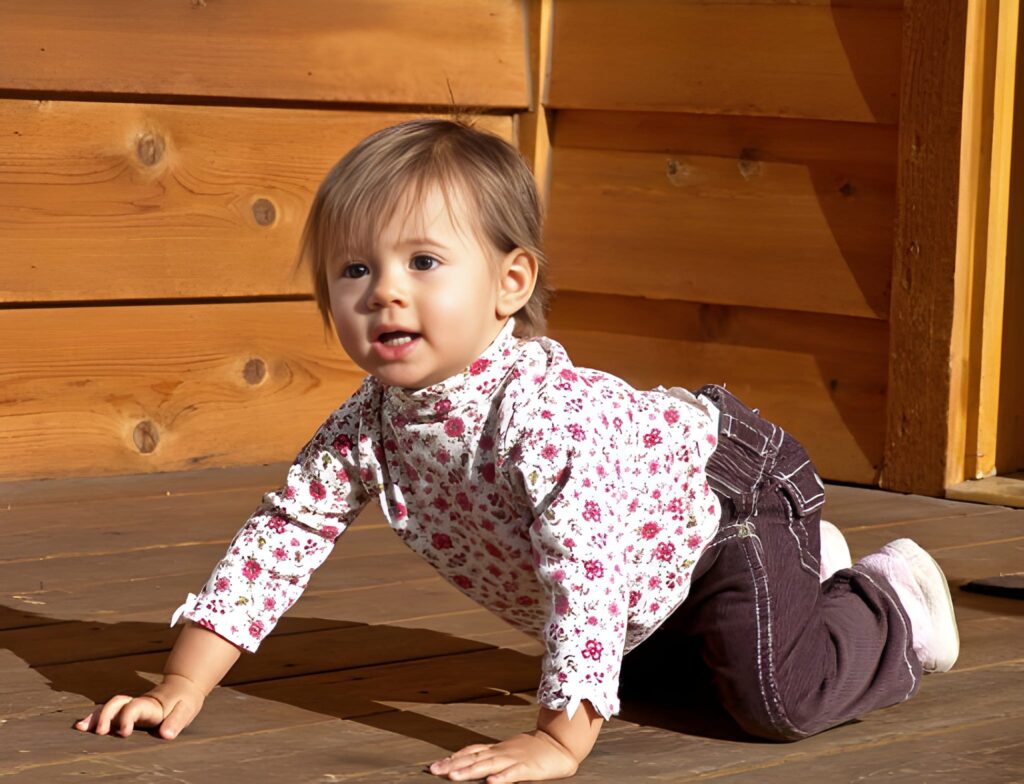
The period between 8 and 18 months is a critical stage in early childhood, marked by rapid growth and significant developmental milestones. During this time, children develop motor skills, cognitive abilities, language, social-emotional skills, and early problem-solving capacities. Monitoring growth and development helps caregivers and healthcare providers ensure children are progressing healthily and address any concerns promptly.
Physical Growth
- Weight and Height
- Weight: At 8–18 months, most children gain about 1–2 pounds per month initially, with the rate gradually slowing as they approach 18 months. Average weight at 12 months is roughly 20–22 pounds (9–10 kg), and at 18 months, around 24–27 pounds (10.9–12.3 kg).
- Height/Length: Children typically grow about 1 inch (2.5 cm) per month in the first year, slowing to about 0.5 inch (1.25 cm) per month by 18 months. Average height at 12 months is approximately 29–30 inches (74–76 cm), and at 18 months, about 32–34 inches (81–86 cm).
Motor Development
- Gross Motor Skills
- 8–10 months: Crawling, pulling to stand, cruising along furniture.
- 12 months: Walking independently, climbing onto low furniture.
- 15–18 months: Walking steadily, beginning to run, climbing stairs with assistance, throwing a ball.
- Fine Motor Skills
- 8–10 months: Pincer grasp development, picking up small objects with thumb and forefinger.
- 12 months: Stacking two blocks, turning pages in a book.
- 15–18 months: Scribbling with crayons, using spoons or cups with more coordination.
Cognitive and Language Development
- Cognitive Skills
- 8–12 months: Understanding object permanence, exploring cause-and-effect relationships, imitating simple actions.
- 12–18 months: Beginning problem-solving, following simple instructions, showing curiosity about surroundings, recognizing familiar people and objects.
- Language Skills
- 8–12 months: Babbling with consonant sounds, responding to name, understanding simple words like “no” or “bye-bye.”
- 12–18 months: Using 5–20 words, combining gestures with words, recognizing common objects, following simple verbal instructions.
Social-Emotional Development
- 8–12 months: Exhibiting stranger anxiety, showing attachment to caregivers, responding to emotions of others.
- 12–18 months: Engaging in parallel play, showing empathy, expressing frustration or joy intentionally, beginning to assert independence (“no” phase).
Nutrition and Feeding
- Transitioning from pureed foods to finger foods and soft solids.
- Encouraging self-feeding to support fine motor skills.
- Introducing a variety of textures and flavors to promote healthy eating habits.
Sample Growth Chart Table (8–18 Months)
| Age (Months) | Avg Weight (lbs/kg) | Avg Height (in/cm) | Key Milestones |
|---|---|---|---|
| 8 | 17–19 lbs (7.7–8.6 kg) | 27–28 in (68–71 cm) | Crawling, babbling, sitting without support |
| 12 | 20–22 lbs (9–10 kg) | 29–30 in (74–76 cm) | Walking independently, first words, pincer grasp |
| 15 | 22–24 lbs (10–10.9 kg) | 31–32 in (79–81 cm) | Running, scribbling, following simple instructions |
| 18 | 24–27 lbs (10.9–12.3 kg) | 32–34 in (81–86 cm) | Climbing stairs with help, using 10–20 words, showing empathy |
Conclusion
The 8–18 month period is marked by rapid growth and dynamic development across multiple domains. By monitoring physical growth, motor skills, cognitive abilities, language, and social-emotional development, caregivers and healthcare providers can ensure children meet key milestones and intervene early if developmental concerns arise. Providing a stimulating, safe, and nurturing environment supports optimal growth and lays the foundation for future learning and development.