The ninth month of a child’s life is a dynamic period marked by significant growth, curiosity, and development. At this stage, infants are transitioning from primarily sedentary behaviors to more active exploration of their environment. Understanding the typical growth patterns and developmental milestones of a 9-month-old is essential for caregivers, pediatricians, and early childhood educators to provide appropriate support and stimulation. This article delves into physical, cognitive, emotional, and social development at nine months, with detailed tables and comparisons to help contextualize growth patterns.
Physical Growth at 9 Months
Physical growth in infants is rapid during the first year, though the rate begins to slow slightly compared to the first six months. At nine months, children typically show increases in weight, length, and head circumference. Growth is influenced by genetics, nutrition, and overall health.
| Parameter | Average for Boys | Average for Girls | Notes |
|---|---|---|---|
| Weight | 18.7 lbs (8.5 kg) | 17.2 lbs (7.8 kg) | Slight variations are normal depending on birth weight and nutrition. |
| Length/Height | 27.3 in (69.4 cm) | 26.7 in (67.8 cm) | Measured lying down; some infants may start sitting or standing with support. |
| Head Circumference | 17.7 in (45 cm) | 17.3 in (44 cm) | Reflects brain growth; rapid expansion in the first year. |
Motor Development
At nine months, infants develop greater control over their movements, improving both gross and fine motor skills. Key motor milestones include:
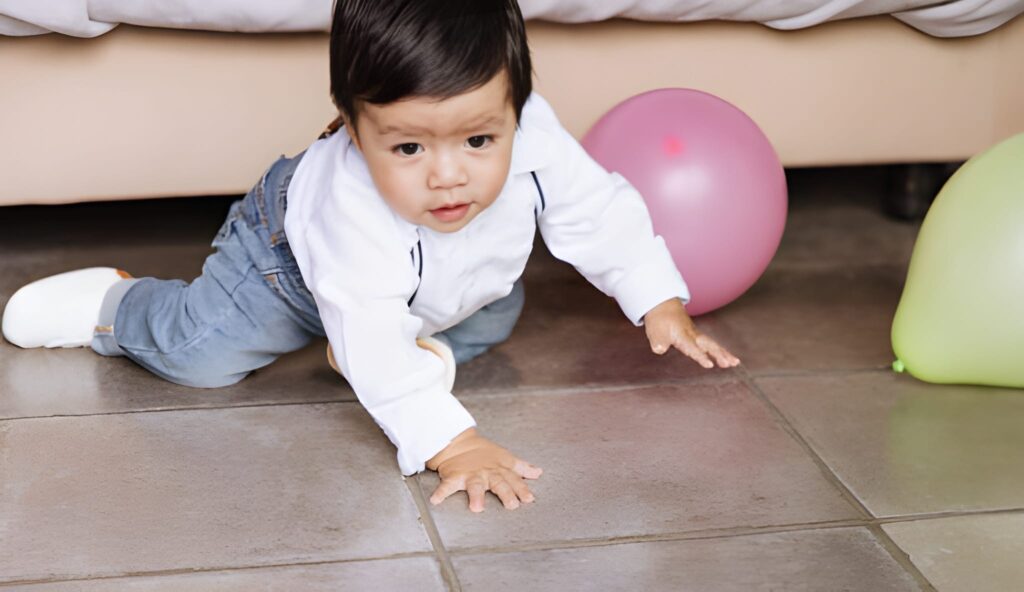
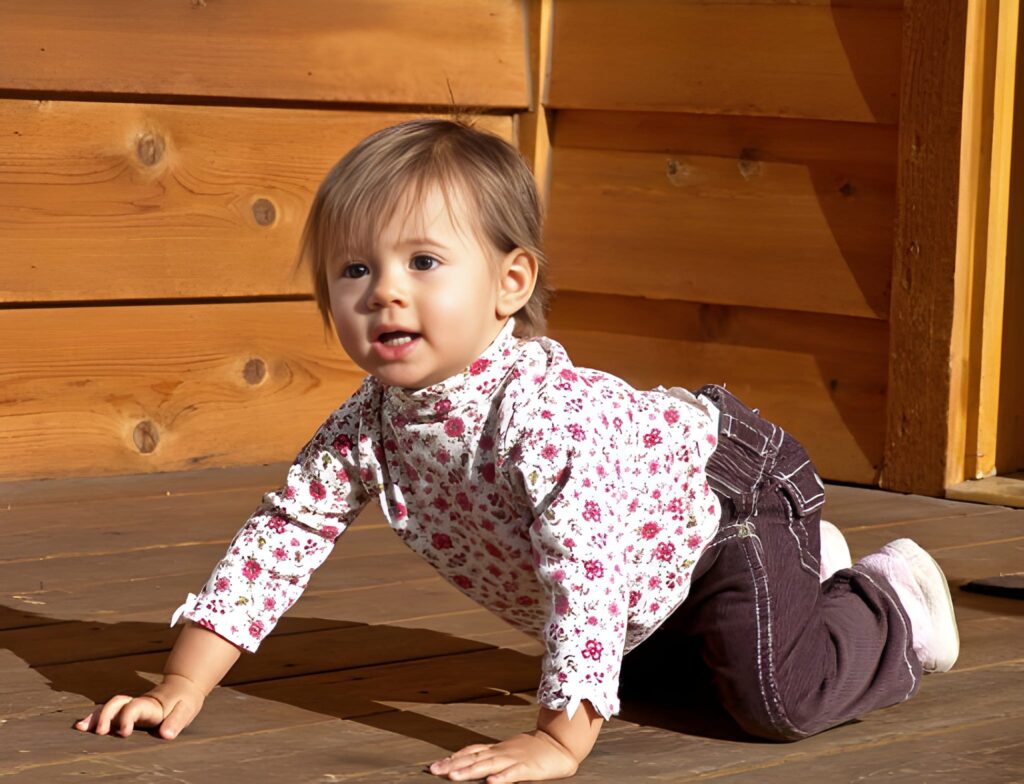
- Gross Motor Skills: Many infants begin crawling, pulling themselves to a standing position, and sitting without support. Some may start “cruising” along furniture.
- Fine Motor Skills: Improved hand-eye coordination allows for better grasping of small objects, transferring items between hands, and beginning to use a pincer grasp (thumb and forefinger).
| Motor Skill | Typical Age Range | Observations |
|---|---|---|
| Sitting independently | 6–9 months | Most 9-month-olds sit without support and reach for toys while sitting. |
| Crawling | 7–10 months | Includes army crawl, classic crawl on hands and knees. |
| Pulling to stand | 8–10 months | Infant may pull up on furniture or adult hands. |
| Pincer grasp emergence | 8–10 months | Important for self-feeding and object manipulation. |
Cognitive Development
Cognitive abilities expand rapidly in the ninth month, with infants showing increased awareness of their surroundings and problem-solving capabilities. This period is characterized by:
- Object Permanence: Understanding that objects continue to exist even when out of sight, leading to games like peek-a-boo.
- Exploration and Curiosity: Reaching, mouthing, and manipulating objects to learn about textures, shapes, and sounds.
- Cause-and-Effect Understanding: Infants begin to recognize actions leading to outcomes, such as shaking a rattle to hear sound.
| Cognitive Milestone | Typical Age Range | Practical Example |
|---|---|---|
| Recognizes familiar faces | 6–9 months | Smiles or babbles when seeing a caregiver. |
| Explores objects | 7–9 months | Drops, shakes, or bangs toys to observe effects. |
| Anticipates routines | 8–10 months | Shows excitement when a feeding or playtime is about to happen. |
Language and Communication
While verbal speech is limited at this age, communication skills are developing rapidly. Babbling becomes more complex, and infants may imitate sounds or gestures.
- Vocalizations: Infants combine consonant and vowel sounds, such as “ba-ba” or “da-da.”
- Gestures: Waving, reaching, and pointing indicate intention and understanding.
- Listening and Understanding: Infants respond to their name, familiar words, and simple instructions with actions or facial expressions.
| Communication Milestone | Typical Age Range | Observation |
|---|---|---|
| Babbling with multiple sounds | 6–9 months | Combines consonants and vowels in repetitive sequences. |
| Responds to name | 7–9 months | Turns head or looks when called. |
| Uses gestures | 8–9 months | Points at objects or waves goodbye. |
Social and Emotional Development
The ninth month is crucial for attachment formation and social awareness. Infants display preferences for familiar caregivers and may exhibit separation anxiety.
- Attachment: Strong bonds with primary caregivers become evident, influencing emotional security.
- Stranger Anxiety: Infants may show fear or wariness of unfamiliar people.
- Social Interaction: Enjoys interactive play, such as peek-a-boo, and responds to emotions of others.
Feeding and Nutrition
Nutrition at nine months typically includes breast milk or formula along with solid foods. Infants begin to explore textures and flavors, developing self-feeding skills.
| Nutritional Aspect | Recommendation | Notes |
|---|---|---|
| Breast milk/formula | Continue 24–32 oz per day | Primary source of nutrients. |
| Solid foods | 3 meals per day with snacks | Introduce mashed, soft, and finger foods. |
| Water | Small sips from cup | Encourages cup use and hydration. |
Sleep Patterns
Most 9-month-olds sleep 12–16 hours per day, including 2–3 daytime naps. Sleep routines stabilize, but night wakings may occur due to teething or separation anxiety. Establishing consistent bedtime rituals promotes healthy sleep habits.
Safety Considerations
As infants become more mobile, safety is paramount:
- Baby-proofing the home: Cover electrical outlets, secure furniture, and remove choking hazards.
- Supervision: Close monitoring during crawling or standing activities.
- Safe sleep: Continue placing the infant on their back for naps and nighttime sleep.
Developmental Variability
While tables and averages provide guidance, individual growth patterns vary. Genetics, nutrition, environmental stimulation, and health conditions influence milestones. Pediatric visits are essential to monitor growth, vaccinations, and overall development.
Comparison: 6-Month vs. 9-Month Milestones
| Development Area | 6 Months | 9 Months | Key Differences |
|---|---|---|---|
| Sitting | Supported sitting | Independent sitting | Increased trunk stability |
| Crawling | Rare | Common | Improved mobility and exploration |
| Babbling | Simple sounds | Complex babbling | Early speech patterns emerge |
| Object Manipulation | Hands mostly together | Transfers objects, pincer grasp | Better fine motor control |
| Social Interaction | Recognizes familiar faces | Stranger anxiety, preference for caregivers | Greater social awareness |
Conclusion
The ninth month marks a period of rapid, multifaceted growth. Infants develop increased physical mobility, refined motor skills, emerging language abilities, cognitive awareness, and complex social behaviors. Awareness of typical developmental milestones allows caregivers and health professionals to support infants effectively. Encouraging exploration, maintaining safety, providing a nutritious diet, and fostering social and emotional connections are essential during this transformative stage. Regular pediatric checkups and responsive caregiving ensure that a 9-month-old child thrives and achieves their full developmental potential.