100,000 CFU/mL of Lactobacillus in Pregnancy: Contaminant or Critical Concern?
Decoding Your Urine Culture Results to Protect Mother and Child
Understanding the Urine Culture Report: Decoding the 105 Threshold
Pregnancy introduces profound changes to the body, making routine screenings critical. One such essential screen is the urine culture, typically performed early in the second trimester to check for Asymptomatic Bacteriuria (ASB). Finding bacteria in the urine, even without symptoms, requires immediate attention because untreated ASB can increase the risk of pyelonephritis (kidney infection), which poses dangers like preterm labor and low birth weight.
The Diagnostic Standard:
In a pregnant woman, a diagnosis of ASB typically requires finding 100,000 colony-forming units per milliliter (105 CFU/mL) of a single bacterial species. This specific quantity marks a 'significant' amount of bacteria, distinguishing it from casual urethral flora.
Colony Forming Units (CFU/mL) Defined
The lab report uses CFU/mL to quantify the bacterial load. It stands for "Colony Forming Units per Milliliter." This number represents how many viable bacteria cells, capable of multiplying, were counted in a single milliliter of your urine sample.
The count itself follows a simple calculation based on how the lab plated the sample. For example, if the lab uses a 1/1000 mL loop and counts 100 colonies, the calculation looks like this: CFU/mL = Colonies Counted × Dilution Factor CFU/mL = 100 × 1000 = 100,000 CFU/mL This high count, 105 CFU/mL, is the definitive flag for a potential infection—if the organism is a pathogen.
Lactobacillus: The Essential Vaginal Guardian
The confusion starts when the identified organism is Lactobacillus. Unlike E. coli—the most common culprit in UTIs—Lactobacillus is not typically a uropathogen. It is, in fact, the dominant and most critical component of a healthy female genital tract microbiome.
The Protective Role in Pregnancy
Lactobacillus species, particularly L. crispatus, maintain the vagina’s low pH (typically below 4.5). They achieve this by converting glycogen—a sugar available in vaginal cells—into lactic acid. This acidic environment acts as a natural, non-specific defense mechanism.
During pregnancy, hormonal changes often promote this healthy colonization, ensuring a robust defense against organisms that could cause issues like bacterial vaginosis or other ascending infections. Treating a high concentration of Lactobacillus in the urine with antibiotics risks disrupting this beneficial, protective system.
Lactobacillus (The Friend)
- Role: Commensal, beneficial, and protective flora.
- Primary Location: Vagina and Gastrointestinal Tract.
- Action: Produces lactic acid, maintains low pH, and prevents colonization by true pathogens.
- In Urine: Typically a sign of collection contamination.
Uropathogens (The Foe)
- Role: Pathogenic organisms that cause disease.
- Primary Location: Often gut flora (e.g., E. coli).
- Action: Ascends the urinary tract, causes inflammation, and multiplies rapidly, leading to infection.
- In Urine: Requires prompt antibiotic treatment.
The Critical Distinction: Contamination vs. True Infection
The entire clinical decision hinges on the short distance between the vaginal opening and the urethral opening in female anatomy. This proximity is the single most common reason Lactobacillus shows up in a high concentration on a urine culture.
The Anatomy of Contamination
When a pregnant woman collects a "clean-catch, mid-stream" urine sample, the sample must pass through the vulvar area, which is highly colonized by Lactobacillus. Despite careful efforts to clean the area, some vaginal secretions inevitably contact the sample cup. Since the culture plate detects the *ability to form colonies*, and Lactobacillus is highly abundant and viable, it rapidly grows in the lab, reaching the 100,000 CFU/mL threshold without ever truly colonizing the bladder.
Identifying Organisms That DO Require Treatment
The focus of ASB screening is to find and eliminate organisms that pose a true threat to the pregnancy. When these bacteria are found at 100,000+ CFU/mL, treatment is mandatory based on guidelines from organizations like the American College of Obstetricians and Gynecologists (ACOG).
| Organism | Clinical Significance in Pregnancy | Required Action for ASB (100,000+ CFU/mL) |
|---|---|---|
| Escherichia coli (E. coli) | Most common uropathogen. High risk for progressing to pyelonephritis. | TREAT (Mandatory) |
| Group B Streptococcus (GBS) | Requires treatment at 10,000+ CFU/mL to reduce risk of neonatal sepsis. | TREAT (Mandatory) |
| Klebsiella or Proteus spp. | Enteric bacteria considered true uropathogens. | TREAT (Mandatory) |
| Lactobacillus spp. | Normal vaginal flora. Extremely low virulence in the urinary tract. | DO NOT TREAT (Likely Contamination) |
The Clinical Decision Matrix: What Happens Next?
A culture showing 100,000 CFU/mL of Lactobacillus is usually a clinical puzzle. The primary step is determining if the growth represents a contaminated sample or an exceptionally rare infection, a process that relies heavily on the patient’s symptoms.
Interactive Decision Flow: Finding Lactobacillus in Urine
Step 1: Evaluate Symptoms.
Select a scenario above to see the recommended clinical pathway.
Scenario 1: Asymptomatic Patient (No Symptoms)
If you feel completely well, this result is nearly always due to collection error. The recommended course is watchful waiting and repetition. Doctors understand that treating a non-pathogen with antibiotics carries significant risks: disrupting your protective vaginal flora, potentially leading to yeast infections or bacterial vaginosis, and contributing to the global threat of antimicrobial resistance. The gold standard action is to repeat the urine culture with meticulous technique. If the second sample is negative or also grows Lactobacillus only, no treatment is given.
Scenario 2: Symptomatic Patient (Dysuria, Frequency)
If you have classic UTI symptoms (burning sensation, urgency, frequent urination), the finding of Lactobacillus is less clear, but still likely a contaminant. Why? Because the symptoms indicate an underlying infection that a highly virulent pathogen usually causes—not Lactobacillus. In this case, your provider will likely:
- Empirically Treat: Start a safe-in-pregnancy antibiotic (like Cephalexin or Nitrofurantoin, depending on the trimester) targeting the most common *unseen* uropathogens (like E. coli).
- Re-Culture (Sterile): Request a second, absolutely sterile sample, often via catheterization, to identify the true, masked pathogen.
- Adjust Treatment: Once the true pathogen is isolated (or ruled out), the antibiotic choice is either confirmed or adjusted based on sensitivity testing.
Avoiding Unnecessary Antibiotics: The Risks of Overtreatment
The most confident clinical path is to avoid overtreating a contaminant. The decision to skip antibiotics in the face of a high Lactobacillus count is a calculated one that protects the mother and the pregnancy in several important ways.
- Disruption of Protective Flora: Antibiotics kill bacteria indiscriminately. Eliminating the massive population of vaginal Lactobacillus removes your natural barrier, potentially leading to overgrowth of harmful fungi or non-pathogenic bacteria, which could create a worse infection later.
- Antimicrobial Resistance: Unnecessary antibiotic cycles accelerate the development of drug-resistant bacteria, creating a public health problem and potentially leaving you with limited options if a serious infection arises later in pregnancy.
- Side Effects: All antibiotics carry potential side effects, from minor gastrointestinal upset to severe allergic reactions. Avoiding medication when it is not needed is always the safer choice during gestation.
Proper Sample Collection: Minimizing Contamination
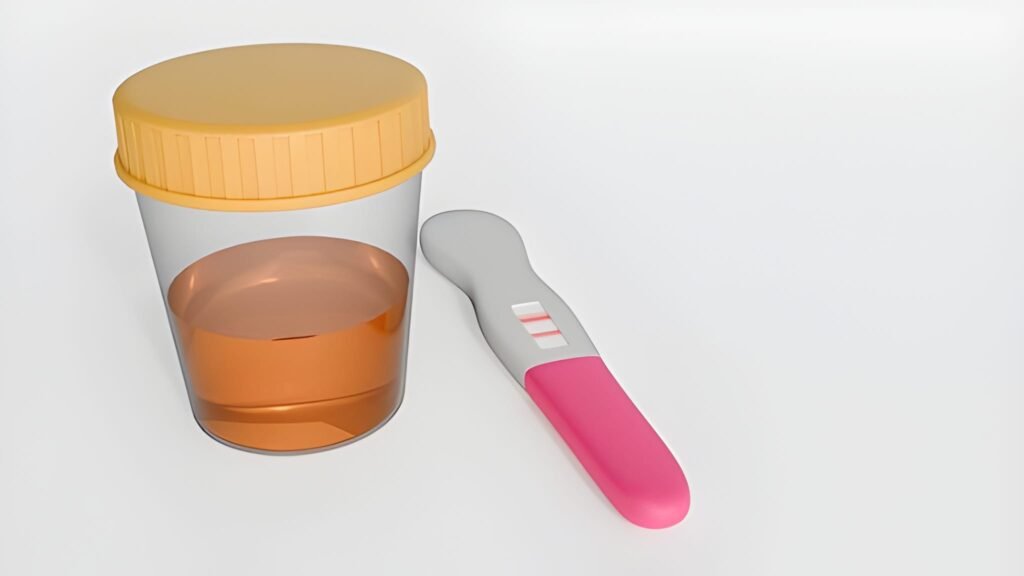
Since contamination is the most likely cause of a high Lactobacillus count, perfecting the collection technique is your best defense against an ambiguous result and unnecessary follow-up. This process is called the "Clean-Catch Mid-Stream Urine" (CCMSU).
Detailed CCMSU Steps for Pregnant Patients
- Hand Hygiene: Wash your hands thoroughly with soap and water.
- Preparation: Open the sterile sample cup carefully, ensuring you only touch the outside of the container and lid.
- Cleaning: Sit comfortably on the toilet. Use the provided antiseptic wipes to clean the vulvar area, wiping from front to back. Use a fresh wipe for each swipe.
- Initial Stream (The Flush): Begin urinating into the toilet. This initial stream helps flush out any bacteria residing in the distal part of the urethra. Do not collect this urine.
- Mid-Stream Collection: Without stopping the flow, carefully place the container into the urine stream to collect the sample. Fill the container about halfway.
- Final Stream: Finish urinating into the toilet.
- Sealing: Immediately seal the container tightly with the lid, still only touching the outside. Deliver the sample to the lab promptly.