Elevated Blood Pressure (128/80) in Pregnancy: A Proactive Guide to Management and Preeclampsia Risk
Understanding the "Yellow Light" Reading and Essential Steps for Maternal-Fetal Health.
Introduction: The Significance of 128/80 mmHg
When you receive a blood pressure reading of 128/80 mmHg during pregnancy, it serves as a critical indicator—not yet a definitive problem, but a clear signal for immediate, proactive attention. In medical terms, this reading falls into the **Elevated Blood Pressure** category. During gestation, the circulatory system works overtime, processing up to 50% more blood volume. This increased workload means that any upward trend in pressure must be taken seriously to protect both maternal and fetal well-being.
This article uses the 128/80 reading as a starting point to educate expectant mothers on recognizing the early signs of hypertensive disorders, understanding the underlying physiology of pregnancy blood pressure, and implementing evidence-based, non-medicated strategies for management. By adopting a calm, vigilant approach now, you significantly reduce the risk of complications later in the pregnancy.
The Physiological Context: Circulatory Changes in Gestation
Blood pressure is not static; it reflects the constant balance between the heart's output (how much blood it pumps) and the vascular resistance (how constricted the blood vessels are). Pregnancy fundamentally alters this balance.
Cardiac Output vs. Vascular Resistance
In a healthy pregnancy, cardiac output increases by 30% to 50% to feed the placenta and the mother's expanding organ systems. However, to compensate, the blood vessels relax, causing **peripheral vascular resistance** to decrease dramatically. This physiological drop is why blood pressure often dips lower than usual in the second trimester.
When a reading hits 128/80, it indicates that the necessary vascular relaxation is insufficient, or the heart's workload is pushing the pressure too high. The systolic pressure (128) is particularly elevated, signaling higher force within the arteries during the heart's contraction phase.
Classification and Risk: Where 128/80 Stands
Your blood pressure is not yet high, but it is outside the ideal zone. Healthcare providers use strict diagnostic criteria to identify the four main categories of high blood pressure during pregnancy.
Blood Pressure Categories for Pregnant Individuals
| Category | Systolic (Top Number) | Diastolic (Bottom Number) | Clinical Significance |
|---|---|---|---|
| Normal | Less than 120 | Less than 80 | Optimal range. |
| Elevated | 120 – 129 | Less than 80 | Requires monitoring and lifestyle intervention. (Your 128/80 falls here) |
| Gestational Hypertension/ Stage 1 | 130 – 139 | 80 – 89 | Hypertension diagnosis if sustained. Requires weekly monitoring. |
| Severe Hypertension / Stage 2 | 140 or higher | 90 or higher | Requires immediate intervention, often medication. |
Preeclampsia Risk and Impact on Fetal Blood Flow
The main concern with elevated blood pressure is the risk of progression to preeclampsia, particularly after 20 weeks gestation. Preeclampsia is not just high blood pressure; it is a disorder that affects the placenta and internal organs. The earliest and most severe risk involves the **placenta**.
Sustained high pressure constricts the narrow blood vessels supplying the placenta. This restriction limits the amount of oxygen and nutrients the fetus receives, which can result in Fetal Growth Restriction (FGR) and, in extreme cases, necessitate early delivery. By monitoring 128/80 proactively, you are helping to maintain optimal blood flow and placental health.
Proactive Management: Non-Pharmacological Interventions
For an elevated reading like 128/80, your power lies in lifestyle modifications. These strategies improve overall cardiovascular health and often help nudge the reading back into the optimal range without requiring prescription medication.
Stress and Sleep Optimization
Chronic stress triggers the sympathetic nervous system, releasing cortisol and adrenaline, which elevate blood pressure and heart rate. High-quality sleep acts as a physiological reset button.
- Mindfulness Practice: Incorporate 15 minutes of mindful breathing or meditation daily.
- Ensure 7–9 Hours of Sleep: Prioritize sleeping on your left side to maximize blood flow back to the heart and to the placenta.
- Moderate Activity: Continue approved activities like brisk walking or swimming. Exercise directly lowers blood pressure by improving vascular elasticity.
Interactive Element: Preeclampsia Risk Assessment Tool
While only your doctor can give a definitive assessment, this tool highlights key risk factors frequently associated with preeclampsia. If you select multiple high-risk factors, prompt discussion with your provider about preventative measures, like low-dose aspirin, is essential.
Check Your Preeclampsia Risk Factors
Select factors and click calculate.
Dietary Management: Focusing on Sodium and Minerals
Diet plays an immediate role in blood pressure regulation. Avoid restrictive "diets" and focus instead on the principles of the DASH (Dietary Approaches to Stop Hypertension) eating pattern.
Aim for a daily sodium intake below 2,300 mg (1,500 mg is ideal for high-risk individuals). This requires diligently avoiding packaged, canned, and fast foods, which contain high amounts of hidden sodium. Cook meals at home using herbs and spices instead of salt.
These minerals naturally counterbalance sodium and promote vasodilation (blood vessel relaxation). Increase your consumption of avocados, bananas, sweet potatoes, beans, and dark leafy greens like spinach and kale.
Monitoring, Documentation, and When to Call the Doctor
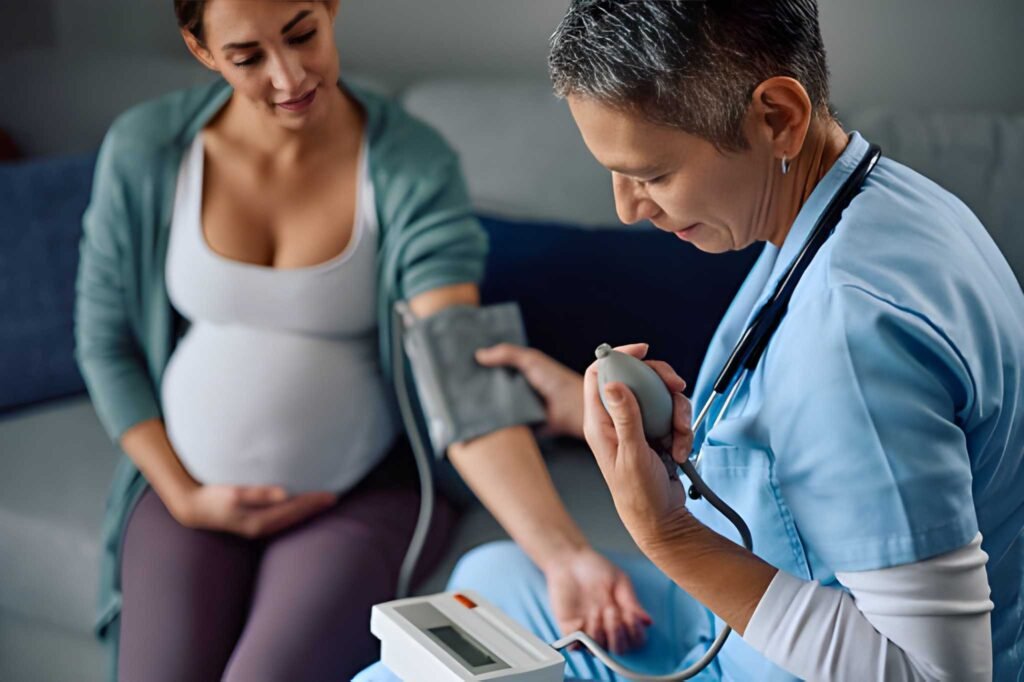
The most important tool you have is consistent, accurate monitoring. Accurate blood pressure readings help your physician distinguish between a one-time elevated reading and a sustained hypertensive trend.
Accurate At-Home BP Measurement
To ensure your readings are reliable, follow these steps:
- Sit still, feet flat on the floor, back supported, for five minutes before taking a reading.
- Use a validated, cuff-style monitor.
- Rest your arm on a table so the cuff is level with your heart.
- Do not talk or move during the reading.
- Document two readings, 60 seconds apart, twice a day (morning and evening).
Immediate Precautionary Symptoms
While your reading is currently 128/80, you must be aware of the critical symptoms of severe hypertension or preeclampsia, which require immediate medical attention. Never wait to report these signs:
Call Your Doctor Immediately If You Experience:
- Severe Headaches: Persistent headaches that do not respond to acetaminophen.
- Vision Changes: Blurry vision, double vision, or temporary loss of sight.
- Epigastric Pain: Severe pain in the upper right side of the abdomen (under the ribs).
- Sudden Swelling/Edema: Rapid swelling of the hands or face (generalized edema).
Low-Dose Aspirin Therapy
For individuals with one or more high-risk factors for preeclampsia, providers often initiate low-dose aspirin therapy (81 mg daily) early in the pregnancy, ideally before 16 weeks gestation. Aspirin works to improve placental blood flow and function, reducing the risk of developing severe hypertensive disease. This is a personalized medical decision that must be made in consultation with your healthcare team, especially given your current elevated blood pressure reading.
Conclusion: Your Role in Vigilance
An elevated blood pressure reading of 128/80 mmHg is your prompt to shift from routine care to vigilant, proactive management. You hold significant power in managing this reading through stress reduction, steady physical activity, and precise dietary choices. By committing to accurate home monitoring and promptly reporting any worrying symptoms, you become an active partner in your prenatal care, helping your medical team ensure the safest possible outcome for both you and your baby. Do not view this reading as a setback, but as a clear, manageable call to action.
References and Further Reading
- American College of Obstetricians and Gynecologists (ACOG). (2020). Hypertension in Pregnancy.
- American Heart Association (AHA) and American College of Cardiology (ACC). (2017). Guideline for the Prevention, Detection, Evaluation, and Management of High Blood Pressure in Adults.
- Sibai, B. M., Frangieh, A. Y., & Viteri, O. A. (2020). Management of Chronic Hypertension in Pregnancy. American Journal of Obstetrics and Gynecology.