Test Accuracy and hCG Certainty at 19 DPO
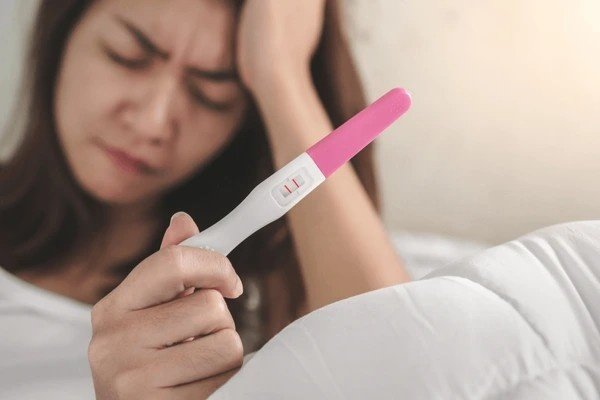
For individuals tracking their cycles, 19 DPO signifies that you are typically 5 days past the date when your period should have arrived, assuming a standard 14-day luteal phase. At this point, receiving a negative result on a home pregnancy test (HPT) provides overwhelming and definitive assurance that you are not pregnant. The physiological reality of Human Chorionic Gonadotropin (hCG) hormone production dictates this conclusion.
HCG begins production only after successful implantation, which occurs between 6 DPO and 12 DPO. By 19 DPO, even with the latest possible implantation, the embryo would have had over a week to produce and double hCG. The hormone levels would be far in excess of the minimal threshold (25 mIU/mL) required by any reputable HPT.
HPT Reliability Marker
At 19 DPO, the likelihood of a false negative is mathematically zero. The negative test is considered clinically accurate. The focus must now shift to diagnosing the primary cause of the absent menstruation: secondary amenorrhea.
The Anovulatory Cycle: Why the Period is Missing
The menstrual cycle operates in two main phases: the follicular phase (leading up to ovulation) and the luteal phase (following ovulation). Menstruation, the shedding of the uterine lining, is triggered by the breakdown of the corpus luteum and the subsequent rapid drop in Progesterone. If ovulation is drastically delayed or skipped entirely—resulting in an anovulatory cycle—the corpus luteum never forms, Progesterone remains low, and the body does not receive the signal to bleed on time.
At 19 DPO with a negative test, your body is likely still in an extended follicular phase. The ovary is attempting to mature a follicle but has not yet received the Luteinizing Hormone (LH) surge needed to release the egg. This prolonged effort results in a constantly delayed period.
Causes: HPO Axis Disruption and Lifestyle Stressors
The most common cause of a significantly missed period, especially in the absence of a chronic medical diagnosis, is a temporary disruption to the Hypothalamic-Pituitary-Ovarian (HPO) axis—the communication highway between the brain and the reproductive system. The hypothalamus, which is highly responsive to energy and stress, can temporarily halt the reproductive signal when it perceives the body is under duress.
High Cortisol and the Stress Response
Chronic psychological or emotional strain leads to elevated levels of the stress hormone, cortisol. Cortisol can suppress the release of Gonadotropin-releasing hormone (GnRH) from the hypothalamus. Since GnRH is the starting pistol for the entire cycle, its suppression prevents the ovary from preparing for ovulation, effectively putting the cycle on hold until the stressful event passes.
Energy Deficit and Hypothalamic Amenorrhea (HA)
This is a major cause in US audiences, particularly due to popular extreme diet and fitness trends. HA is caused by an energy imbalance stemming from two factors, often combined:
- Caloric Restriction: Insufficient energy intake relative to energy expenditure (dieting).
- Excessive Exercise: High-intensity, high-volume training without adequate rest or fuel.
When the body senses it lacks the necessary energy reserves (adipose tissue, or body fat) to sustain a pregnancy, the reproductive system is viewed as non-essential and is temporarily shut down. The period will not return until the mother restores sufficient energy availability.
Causes: Metabolic and Chronic Endocrine Imbalances
When stress and lifestyle are not the primary culprits, the specialist investigates underlying conditions that cause persistent cycle irregularity. These are systemic issues that interrupt the complex hormonal symphony required for ovulation.
Polycystic Ovary Syndrome (PCOS)
PCOS is the most frequent endocrine disorder leading to anovulation. It is characterized by high levels of androgens (male hormones) and insulin resistance. The elevated androgens disrupt the final maturation of the ovarian follicle, preventing the egg release. The period delay is the result of this chronic anovulation.
Thyroid Dysfunction
The thyroid gland regulates the body's metabolism, and its hormones are intrinsically linked to reproductive function. Both an underactive thyroid (hypothyroidism) and an overactive thyroid (hyperthyroidism) can cause severe cycle disruptions, including long delays or complete amenorrhea. TSH (Thyroid-Stimulating Hormone) testing is always a standard procedure when investigating missed periods.
Hyperprolactinemia and Medications
High levels of the hormone prolactin, usually associated with lactation, can suppress ovulation. While often caused by a benign pituitary condition, certain medications (including some anti-depressants, antipsychotics, and blood pressure drugs) can also elevate prolactin levels, leading to a missed period.
| Condition | Hormonal Root | Associated Symptoms (Beyond Missed Period) |
|---|---|---|
| PCOS | High Androgens, Insulin Resistance | Acne, hirsutism (excess hair), difficulty managing weight. |
| Hypothalamic Amenorrhea | Low GnRH, Low Estrogen | Fatigue, cold sensitivity, low BMI, history of intense training. |
| Hypothyroidism | High TSH, Low T4 | Sluggishness, unexplained weight gain, dry skin, sensitivity to cold. |
The Essential Next Step: Clinical Investigation
At 19 DPO, you have exhausted the utility of home testing. The appropriate action is to schedule a diagnostic appointment with your obstetrician-gynecologist or endocrinologist. The goal of this visit is to receive a definitive diagnosis and an action plan to safely induce the period.
What Diagnostic Testing to Request
A thorough investigation will typically involve the following laboratory and imaging work:
- Quantitative Serum hCG: A final, definitive blood test to ensure the hCG level is indeed below 5 mIU/mL, ruling out a very rare, late-developing pregnancy.
- Thyroid Panel (TSH, T4): To check for hypo- or hyperthyroidism.
- Prolactin Level: To check for elevated prolactin.
- Sex Hormones: Blood tests for Follicle-Stimulating Hormone (FSH), Luteinizing Hormone (LH), Estrogen (Estradiol), and Androgens (Testosterone) to assess the function of the HPO axis.
- Pelvic Ultrasound: To examine the ovaries for polycystic morphology (typical of PCOS) and to measure the thickness of the endometrial lining.
Inducing the Cycle: The Progesterone Challenge
Once pregnancy and urgent complications are ruled out, the specialist will focus on bringing the current cycle to a close. This is done through a medical procedure called the Progesterone Challenge Test.
How the Challenge Works
The patient is prescribed a short course (typically 7 to 10 days) of synthetic progesterone, such as medroxyprogesterone acetate. This medication rapidly builds up the uterine lining. When the medication is discontinued, the synthetic progesterone level crashes, mimicking the natural hormone drop that occurs at the end of a regular cycle.
If the uterine lining has built up sufficiently, this withdrawal signal triggers bleeding, and the period arrives, usually within 3 to 7 days after the last pill is taken. This confirms that the absence of a period was indeed due to a lack of ovulation.
Primary Action Point
Contact your healthcare provider today. Do not attempt to induce a period with over-the-counter methods. A diagnostic workup is essential to understand why ovulation failed this cycle before any medication is administered.
Restoring Cycle Balance: Long-Term Management
The goal after the diagnostic process is to promote regular, spontaneous ovulation in future cycles. This often involves addressing the root cause identified by the blood work and ultrasound.
Targeted Lifestyle Adjustments
- For HA: Focus on increasing caloric intake, reducing high-intensity exercise volume, and incorporating stress-reduction techniques like mindful movement or cognitive therapy.
- For PCOS: Management often involves optimizing insulin sensitivity through dietary changes (lower glycemic index foods), regular moderate exercise, and potentially medications like Metformin, which can help promote ovulation.
A missed period at 19 DPO is a definitive signal about your body's current hormonal state. Treating this symptom requires a focused, medical approach to uncover and correct the underlying endocrine or lifestyle imbalance, ensuring future reproductive health.