Analyzing the growth of the maternal abdomen, the science of quickening, and the critical development happening within the womb at this mid-point of the second trimester.
Article Navigation
The Visible Change: Analyzing the 19-Week Belly
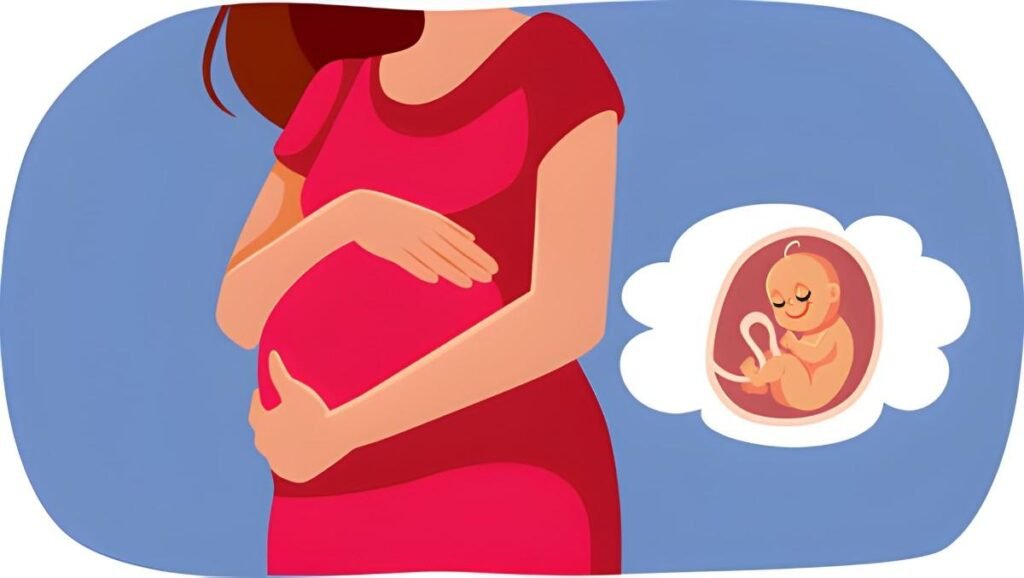
At $19$ weeks, the pregnancy bump transitions from subtle fullness to a clearly visible, outward sign of the growing baby. The uterus, which has been steadily expanding, is now positioned about $1$ centimeter below the navel, or approximately $19$ centimeters above the pubic bone (matching the fundal height measurement).
Factors Influencing Belly Size and Appearance
The size and shape of the belly are not standardized; they depend on a combination of physiological and genetic factors. It is essential to avoid comparison with other expectant mothers, as all factors contribute to a unique presentation:
- Parity (Number of Previous Pregnancies): First-time mothers (primigravidas) often show later because the abdominal muscles retain their strength and tightness longer. Mothers who have had previous pregnancies (multigravidas) may show significantly earlier as the uterine and abdominal muscles are already stretched.
- Torso Length: Women with longer torsos often carry the baby lower and closer to the spine, resulting in a less pronounced outward bump. Shorter torsos push the uterus outward sooner.
- Fetal Position and Fluid: The baby's current orientation within the amniotic fluid, along with the volume of the fluid itself, plays a significant role in the belly's daily appearance.
A vertical dark line, the linea nigra (black line), often becomes noticeable around this time. This is a common hyperpigmentation caused by hormonal increases (specifically melanocyte-stimulating hormone). It runs from the pubic area up to or past the belly button. It is a harmless, temporary skin change that typically fades within a few months postpartum. Direct sun exposure can make it darker.
The Beginning of Quickening and Fetal Movement
For many, $19$ weeks marks the consistent detection of quickening—the first perceived fetal movements. These initial movements feel like fluttering, gas bubbles, or light tapping. While the baby has been moving for weeks, the increase in size, strength, and neurological control allows the mother to finally register the sensation. This provides deep reassurance and establishes the first direct physical communication with the baby.
Fetal Milestones: Protective Coatings and Sensory Input
Inside the uterus, the fetus is now roughly $6$ inches long and weighs about $8$ ounces (the size of a large heirloom tomato or mango). Organ function is robust, and the focus is on refinement and protection.
Vernix Caseosa Formation
The baby's skin, which is still quite thin, begins to secrete and accumulate a white, greasy, cheese-like substance called vernix caseosa. This waxy coating is critical: it protects the delicate skin from constant exposure to the amniotic fluid, prevents chapping and wrinkling, and aids in temperature regulation. It also acts as a natural lubricant during the birth process.
Primitive Fat Production and Hormone Refinement
The layers of subcutaneous fat continue to build, working alongside the brown fat laid down previously. Hormonally, the baby's reproductive system is actively developing. For a female fetus, the uterus is now formed, and she already possesses millions of primitive egg cells in her ovaries. For a male fetus, the testes have generally formed and hormone production is underway.
Common Symptoms and How to Manage New Discomforts
As the belly expands rapidly, it brings new musculoskeletal challenges that require attention and proactive management to maintain comfort and mobility.
The increasing weight of the uterus shifts your center of gravity forward, forcing the lower back to curve more dramatically (lordosis) to compensate. This strain causes significant lower back pain. Counteract this by wearing low-heeled, supportive shoes, sleeping with a pregnancy pillow tucked between your legs, and engaging in targeted prenatal yoga or stretching. A supportive maternity belt can also offer relief during extended standing periods.
Painful, sudden spasms, typically in the calf muscles at night, are very common. While the exact cause is debated (potential electrolyte imbalances or circulation issues), simple measures help: stretch your calves before bed, ensure adequate hydration, and try increasing intake of calcium and magnesium-rich foods. If a cramp strikes, flex your foot straight up toward your knee, rather than pointing your toes.
Preparing for the Anatomy Scan and Fetal Health Checks
The $19$-week mark places you directly in the scheduling window for the most detailed ultrasound of the entire pregnancy: the fetal anatomy survey (Level II scan). This scan is the single best tool for structural assessment.
The Purpose and Precision of the Scan
The $19$-week timeframe is ideal because the baby is large enough to visualize internal structures clearly, but still small enough for the ultrasound waves to penetrate effectively. The primary goal is ruling out congenital anomalies, not just determining gender. The technician systematically checks:
- Cranial and Spinal Structure: Ensuring the brain's hemispheres and cerebellum are developing correctly and checking the spine for defects like spina bifida.
- Heart Rate and Structure: Detailed visualization of the heart's four chambers, major arteries, and veins to detect congenital heart issues.
- Limb Growth: Measuring the long bones (femur, humerus) and counting fingers and toes, where possible.
- Placenta Location: Confirming the placenta is not obstructing the cervix (placenta previa).
Common Fetal Biometric Measurements Taken During Scan
| Measurement Abbreviation | Definition | Purpose |
|---|---|---|
| $\text{BPD}$ | Biparietal Diameter (across the head) | Estimates gestational age and growth. |
| $\text{HC}$ | Head Circumference | Tracks brain growth and development. |
| $\text{AC}$ | Abdominal Circumference | Reflects fetal size and nutritional status. |
| $\text{FL}$ | Femur Length | Used as an indicator of general fetal length and growth rate. |
Partner Involvement and Strengthening the Bond
The second trimester provides a unique opportunity for partners to engage fully, as the physical presence of the baby becomes undeniable through the belly and fetal movements.
Feeling the Kicks and Shared Experience
While the mother feels the light movements now, it may be a few more weeks until the movements are strong enough for the partner to feel from the outside. Encourage the partner to place a hand on the belly consistently. This physical act of shared anticipation enhances their emotional connection. Encourage open dialogue about the mother's experience of quickening—what the sensation feels like, and when it is most frequent.
Practical Support and Financial Check-ins
Partners should take ownership of tasks that mitigate maternal discomforts, such as giving foot or back rubs to alleviate muscle strain and managing laundry/housekeeping duties. This is also a critical time for the partner to take the lead on financial organization, including solidifying decisions on parental leave paperwork, filing for new $\text{HSA}/\text{FSA}$ contributions, and reviewing $529$ college savings plans that may be available to them. Taking these tasks off the mother's plate allows her to focus on health and comfort.
Embracing the Midpoint
The $19$-week mark is the true halfway point, physically and psychologically. The baby is developing crucial protective mechanisms like vernix and fat stores, while the mother's body adapts to its new center of gravity, displaying the bump proudly. Use this period of clarity to prepare meticulously for the anatomy scan—a landmark appointment that offers comprehensive structural reassurance. By managing physical discomforts proactively and fostering shared experience with your partner, you ensure the remainder of the pregnancy is focused on joyful preparation, not strain.
© 2025 Child and Mother Specialist Guidance. All rights reserved.