A necessary and natural phase: navigating the timing, flow changes, and crucial fertility implications after childbirth.
Article Navigation
The Postpartum Hormonal Shift: Why the Wait?
The cessation of the menstrual cycle is a hallmark of pregnancy, and its return signals that the body's reproductive system is resetting. This return is governed entirely by the complex interplay of postpartum hormones, primarily the decline of pregnancy hormones and the rise of hormones related to lactation.
The Role of Prolactin and Ovarian Suppression
The pituitary hormone Prolactin is the key player in postpartum amenorrhea (the absence of menstruation). Prolactin is responsible for stimulating milk production. High levels of Prolactin suppress the production and release of Follicle-Stimulating Hormone (FSH) and Luteinizing Hormone (LH). Since FSH and LH are necessary to stimulate ovarian follicle growth and trigger ovulation, their suppression keeps the ovaries dormant. Essentially, the body prioritizes nourishing the newborn through breastfeeding over reproductive cycling.
Once breastfeeding frequency or intensity begins to decrease—for instance, when the baby starts sleeping longer stretches at night or begins solid foods—Prolactin levels begin to drop, allowing FSH and LH to rise, eventually triggering the first postpartum ovulation, followed by the first period.
Timeline Variability: Breastfeeding vs. Formula Feeding
The timing of the first period is highly individualized, but the biggest determining factor is feeding method.
- Formula Feeding: For mothers who exclusively formula feed, the return of the period is much faster, typically occurring within six to twelve weeks after delivery. Hormones rapidly revert to their non-pregnant state without the suppressing effect of Prolactin.
- Exclusive Breastfeeding: For mothers who exclusively breastfeed (day and night, on demand, without significant supplementation), the period may not return for six months, nine months, or even a year or longer. The average for exclusively breastfeeding mothers is around six to nine months postpartum, often coinciding with the baby beginning solid foods or sleeping through the night.
- Combination Feeding: Mothers who combine breastfeeding and formula feeding will generally see their period return somewhere between the two extremes, depending on the volume and frequency of milk feeds.
What to Expect from the First Postpartum Period
The first true menstrual period after pregnancy is often dramatically different from pre-pregnancy cycles, creating confusion and sometimes concern. It is essential to understand the potential variations.
Bleeding, Clotting, and Flow: Distinguishing from Lochia
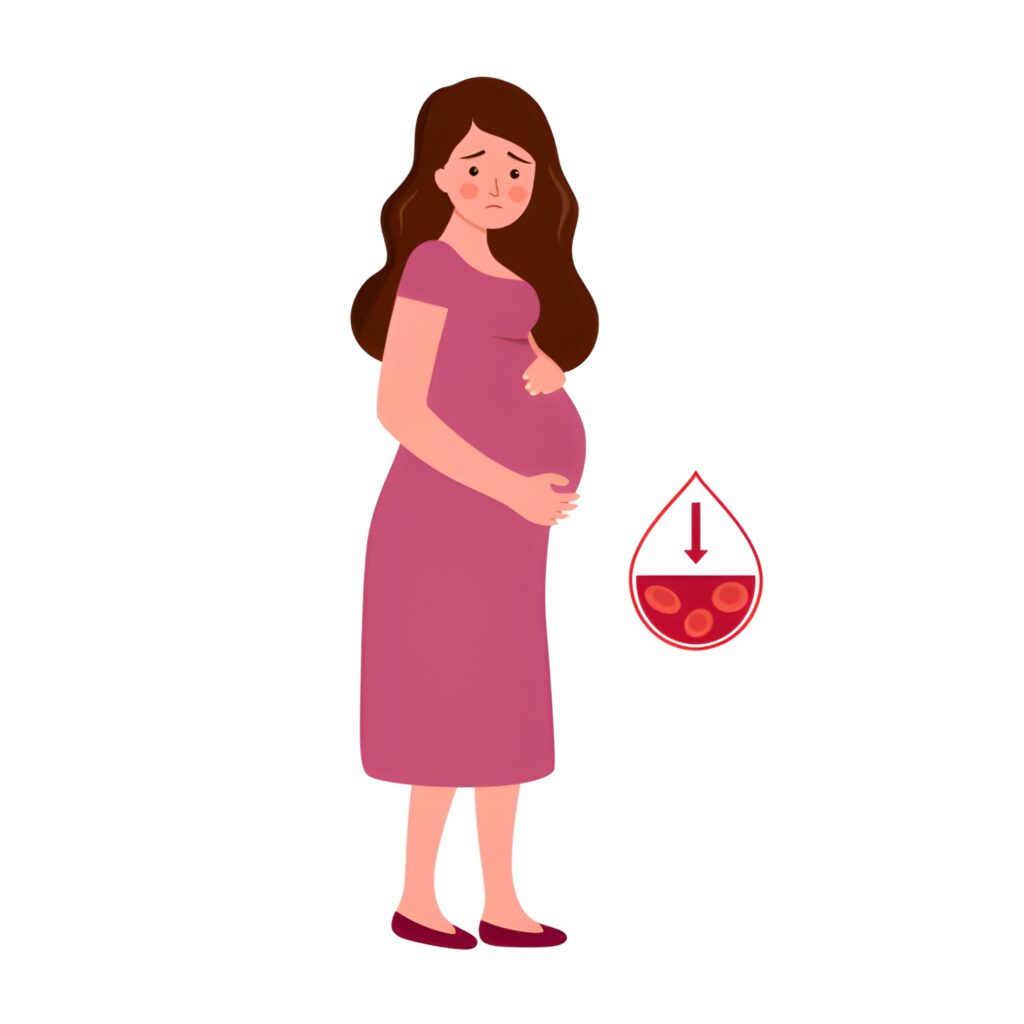
Before the first period, the mother experiences Lochia, which is the bleeding and discharge resulting from the shedding of the uterine lining and placental site healing. Lochia can last four to six weeks and gradually transitions from bright red to pink/brown, and finally to white/yellow.
The first true period, however, will typically begin after the lochia has completely stopped for at least two to three weeks. This period may be heavy, lighter, longer, or shorter than what was typical before pregnancy. It is common for the first few cycles to be irregular, unpredictable, and involve larger clots than usual as the uterus fully sheds the lining built up during the resting phase.
The Menstrual Cycle Re-Learning Curve
The body requires time to regain its cycle rhythm. The first few cycles may be anovulatory (meaning ovulation did not occur), resulting in lighter, shorter, or irregular bleeding patterns. Full ovulation and regularity may take several months to reestablish. If you were tracking your cycle before pregnancy, resume charting basal body temperature or using ovulation predictor kits after the first period to reacquaint yourself with your body's new rhythm.
Managing Symptoms and Recognizing Abnormalities (Interactive)
Dealing with a period while managing a newborn can be challenging. Knowing what is normal and when to seek help provides necessary peace of mind.
- Increased Cramping: Postpartum periods can be more painful initially. The uterus is still contracting to return to its original size. Over-the-counter pain relief, such as ibuprofen (unless contraindicated by your doctor), can help.
- Breast Tenderness: Hormonal fluctuations combined with lactation can lead to heightened sensitivity. Ensure you wear a comfortable, supportive bra day and night.
- Mood Swings: Premenstrual syndrome (PMS) may feel more pronounced due to the emotional and physical exhaustion of new motherhood. Prioritize sleep and delegate tasks during the luteal phase.
When to Contact Your Doctor (Crucial Warnings)
Immediate medical consultation is necessary if you experience any of the following, as they may indicate retained placental tissue or a hemorrhage:
- Soaking more than one sanitary pad per hour for several consecutive hours.
- Passing clots larger than a golf ball.
- Bleeding accompanied by fever over 100.4 degrees Fahrenheit (38 degrees Celsius).
- Sudden, severe pelvic pain or pressure.
- Bleeding that has a foul odor.
Contraception and Fertility Planning
The most common misconception is that the absence of a period means the absence of fertility. This is dangerously incorrect. It is possible to ovulate *before* the first period returns, meaning pregnancy can occur surprisingly quickly postpartum.
The Myth of Lactational Amenorrhea (LAM)
While the Lactational Amenorrhea Method (LAM) can be a highly effective form of birth control, its use is strict and temporary. For LAM to work with 98 percent effectiveness, three conditions must all be met:
- The baby must be less than six months old.
- The mother must be exclusively breastfeeding (no formula or food supplementation).
- The mother's period must not have returned.
If any of these conditions are not met, LAM effectiveness drops significantly, and reliable birth control is necessary to prevent unintended pregnancy.
Choosing Postpartum Birth Control
Your provider can recommend options based on whether you are breastfeeding, as estrogen-containing methods can sometimes reduce milk supply.
Common Postpartum Contraception Options
| Method | Type of Hormone | Breastfeeding Impact | Typical Start Time Postpartum |
|---|---|---|---|
| Progestin-Only Pill (Mini-Pill) | Progestin only | Generally safe; no impact on supply. | Can start immediately postpartum. |
| IUD (Hormonal or Copper) | Progestin or Non-hormonal | No impact on supply. | Can often be inserted immediately after delivery or at the six-week check-up. |
| Depot Medroxyprogesterone Acetate (DMPA Injection) | Progestin only | Generally safe; no impact on supply. | Can start immediately postpartum. |
| Combined Estrogen/Progestin Methods | Both Estrogen and Progestin | Estrogen may reduce milk supply. | Usually delayed until six months postpartum (if breastfeeding). |
Socioeconomic Context: Insurance and Wellness
In the US, maternal and reproductive care is strongly tied to health insurance coverage, which is particularly relevant when discussing the return to fertility and contraception.
Contraception Coverage and Wellness Visits
Under the Affordable Care Act (ACA), most private insurance plans are required to cover all FDA-approved birth control methods with no out-of-pocket costs. Ensure you utilize your six-week postpartum checkup (and subsequent annual wellness visits) to discuss contraception thoroughly, as this visit is fully covered and provides the best opportunity for a long-term method like an IUD to be placed while you are already attending an appointment. Proactively securing contraception provides control and reduces financial stress associated with an unintended rapid repeat pregnancy.
Embracing the Return to Cyclical Health
The arrival of the first postpartum period is a powerful marker—it confirms the spectacular physiological journey your body has completed and signals a return to your normal, cyclical self. While the initial cycles may be unpredictable, they are a healthy, necessary transition. Prioritize clear communication with your healthcare provider about your bleeding patterns and, most critically, your contraception needs. By understanding the science of Prolactin and the variability of LAM, you maintain autonomy over your health and future family planning while embracing the profound shift that motherhood brings.
© 2025 Child and Mother Specialist Guidance. All rights reserved.