Establishing the Foundation
The First Prenatal Appointment: Your Comprehensive Baseline
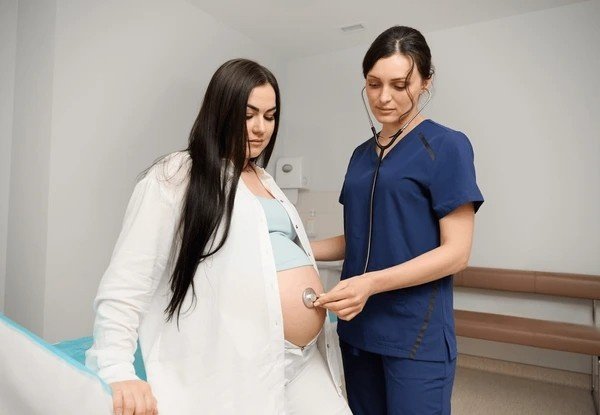
The first prenatal appointment, typically scheduled between 8 and 12 weeks of gestation, establishes the essential foundation for all subsequent care. This visit is the most extensive, serving as a comprehensive deep dive into the patient's and family’s health history. It is a critical opportunity to confirm the pregnancy, accurately determine the expected due date, identify potential risks, and initiate the necessary preventative care protocols. Approaching this appointment with organization and clarity ensures you maximize the time with your healthcare team.
Table of Contents
Timing, Confirmation, and Dating
Confirmation of pregnancy often occurs at home, but the first appointment validates this early stage and sets the chronological framework for the next nine months.
Confirmation and Initial Assessment
The appointment usually begins with a urine test to confirm the presence of Human Chorionic Gonadotropin (hCG). Next, the provider reviews the Last Menstrual Period (LMP) to calculate the initial estimated due date (EDD). This clinical dating is crucial for interpreting all future growth measurements and screening results.
Calculating the Estimated Due Date (EDD)
Healthcare providers traditionally use Naegele’s Rule to establish the EDD based on the LMP. This calculation assumes a 28-day cycle with ovulation occurring on Day 14.
Naegele’s Rule Formula
EDD = (LMP - 3 Months) + 7 Days + 1 Year
For example, if the Last Menstrual Period started on October 1, the calculation determines the EDD to be July 8 of the following year. This date serves as the cornerstone for scheduling ultrasounds and assessing fetal maturity later in the pregnancy.
The Comprehensive Health History Intake
The physician conducts an exhaustive review of medical, social, and family history. This intake proactively identifies risks that could affect the pregnancy, allowing the care plan to be tailored from the outset.
Key Areas of Historical Review
- Past Obstetric History: Detailed review of previous pregnancies, including any miscarriages, stillbirths, preterm births, or complications like pre-eclampsia or gestational diabetes.
- Current Medical Conditions: Assessment of chronic conditions such as diabetes, thyroid disorder, hypertension, depression, or autoimmune diseases. Management plans for these conditions are revised immediately to ensure safety during pregnancy.
- Medications and Allergies: A thorough inventory of all prescription and over-the-counter medications and supplements. Providers adjust dosages or switch medications to ensure only pregnancy-safe options are used.
- Family History: Inquiry into genetic disorders, congenital anomalies, or intellectual disabilities in immediate and extended family members to determine the need for genetic counseling.
The Physical Exam and Initial Labs
The physical exam establishes a maternal baseline, while extensive laboratory work screens for infectious diseases and identifies potential blood incompatibilities.
Initial Physical Assessment
The exam typically includes measuring height and weight to calculate Body Mass Index (BMI), which guides appropriate weight gain goals. A comprehensive physical includes breast, heart, lung, and abdominal assessments. A pelvic exam may occur to assess the size and position of the uterus, and to perform a Pap smear if the patient is due.
The Essential Prenatal Lab Panel
The blood draw at the first appointment screens for conditions that, if left untreated, pose serious risks to the fetus.
| Lab Test | Primary Purpose | Risk Mitigation |
|---|---|---|
| Blood Type and Rh Factor | Identify Rh-negative status | Prevent Rhesus disease with RhoGAM administration |
| Complete Blood Count (CBC) | Check Hemoglobin and Hematocrit | Diagnose and treat anemia (iron deficiency) |
| Rubella and Varicella Titers | Confirm immunity to these viruses | Risk of severe fetal defects if contracting primary infection |
| Hepatitis B & C, HIV, Syphilis Screening | Detect maternal infections | Initiate treatment to minimize vertical transmission to the baby |
| Urine Culture | Screen for asymptomatic bacteriuria | Prevent kidney infection (pyelonephritis) and subsequent preterm labor |
Essential Counseling and Lifestyle Discussion
The counseling component covers daily behaviors and environmental safety, empowering the patient to protect the developing pregnancy.
Nutritional and Supplementation Guidance
Providers emphasize the necessity of adequate nutrition and specific supplementation. Folic acid intake is crucial in the first weeks to prevent neural tube defects, and continuous prenatal vitamin use supports the pregnancy. Discussions cover safe food handling to avoid infections like Listeria and Toxoplasmosis, and proper caloric intake for healthy growth.
Risk Factor Elimination
This section confirms the cessation of all alcohol, tobacco, and illicit drug use. It also addresses environmental hazards, including workplace exposure to chemicals, handling cat litter (Toxoplasmosis risk), and ensuring safety regarding household tasks and travel plans.
Early Genetic and Fetal Screening Options
The first appointment is the time to introduce and schedule early screening tests that evaluate the risk of certain genetic conditions.
Non-Invasive Prenatal Testing (NIPT)
NIPT, a blood test, analyzes fragments of fetal DNA circulating in the maternal bloodstream. It offers highly accurate screening for Trisomy 21 (Down syndrome), Trisomy 18, and Trisomy 13, and can often determine fetal sex. This test can be performed as early as 10 weeks gestation. Discussing the pros, cons, and financial considerations of NIPT versus later screening methods (like the Quad Screen) is essential.
Viability and Dating Ultrasound
If an ultrasound has not been performed prior to this visit, it is often scheduled now (or performed immediately if available) to:
- Confirm the presence of a fetal heartbeat.
- Determine the number of fetuses (rule out twins/multiples).
- Provide the most accurate dating via Crown-Rump Length (CRL) measurement, which overrides LMP dating if the difference is significant.
Preparing Your Questions: Maximizing the Visit
Due to the large volume of information, preparing a list of concerns ensures your needs are met.
Interactive Checklist: Essential Topics for Discussion
My First Appointment Question List
Use this checklist to track key discussion points for your provider:
The initial prenatal appointment is a foundational moment—a deliberate and thorough assessment that converts early uncertainty into a structured plan of care. By providing a comprehensive health history and engaging actively with the screening options presented, you establish a strong, protected environment for the developing baby and empower your care team to provide targeted, individualized support throughout the remainder of the journey.