A specialized guide to the biological differences, intensive medical monitoring, and logistical planning required when expecting two babies.
Article Navigation
The Biology of Multiples: Fraternal Versus Identical
Understanding the biological origin of the twins is the foundational step in planning care. The pregnancy journey, including risk management and monitoring frequency, depends entirely on whether the twins are fraternal (dizygotic) or identical (monozygotic).
Dizygotic (Fraternal) Twins: Two Eggs, Two Placentas
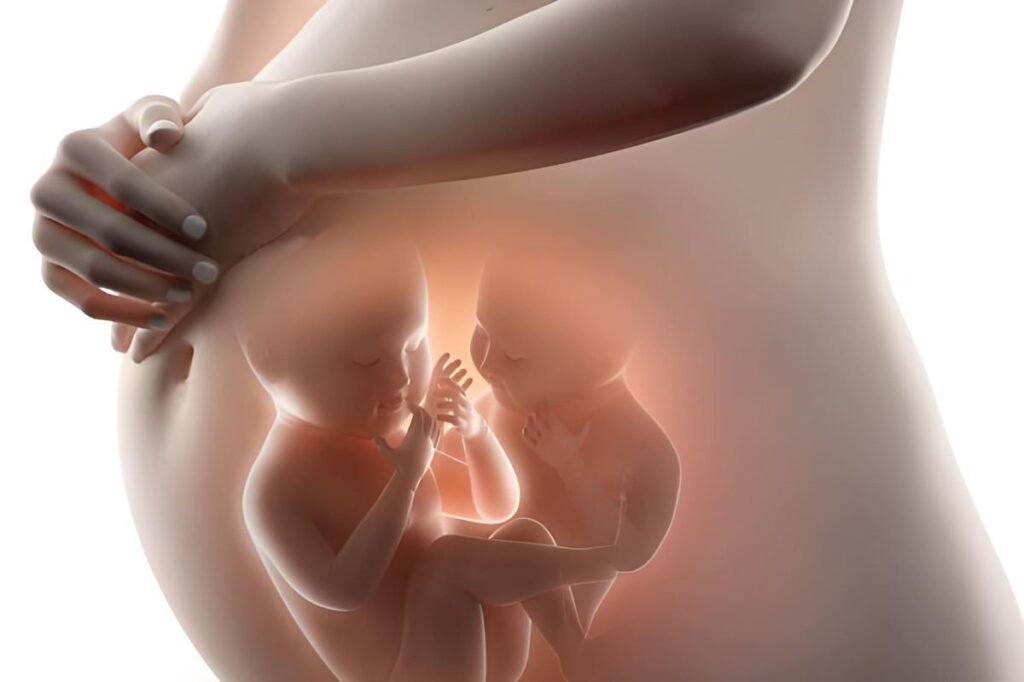
Fraternal twins result from two separate eggs being fertilized by two separate sperm. They are genetically no more alike than any two siblings born years apart.
- Causes: Increased rates of fraternal twins are linked to advanced maternal age, genetic predisposition (running in families), and the use of Assisted Reproductive Technology (ART) such as fertility drugs or in vitro fertilization (IVF), which stimulates the release of multiple eggs.
- Placental Structure: These pregnancies are always dichorionic-diamniotic (Di/Di), meaning each baby has its own chorion (outer membrane, contributing to the placenta) and its own amnion (inner fluid-filled sac). This structure carries the lowest risk among twin pregnancies because the circulatory systems are separate.
Monozygotic (Identical) Twins: Single Egg Splitting
Identical twins result from a single fertilized egg splitting early in development. This split time dictates the chorionicity and amnionicity—the structure of the placentas and sacs—which significantly influences risk.
The later the split occurs, the higher the shared environment and the higher the risk of complications such as Twin-to-Twin Transfusion Syndrome (TTTS). Identifying this structure is the most critical function of the first-trimester ultrasound.
Table: Twin Pregnancy Classification by Membrane Structure
| Classification | Placentas (Chorion) | Amniotic Sacs (Amnion) | Associated Risk |
|---|---|---|---|
| Dichorionic-Diamniotic (Di/Di) | Two separate | Two separate | Lowest risk (all fraternal, 1/3 of identical) |
| Monochorionic-Diamniotic (Mo/Di) | One shared | Two separate | Moderate to High risk (risk of TTTS) |
| Monochorionic-Monoamniotic (Mo/Mo) | One shared | One shared | Highest risk (risk of cord entanglement, TTTS) |
Unique Prenatal Care and High-Frequency Monitoring
A twin pregnancy automatically elevates the status of the patient to a high-risk category, necessitating specialized care from an obstetrician or a maternal-fetal medicine (MFM) specialist.
The Early Determination of Chorionicity
The most crucial appointment occurs early in the first trimester. If chorionicity (Di/Di, Mo/Di, Mo/Mo) cannot be definitively established by 14 weeks, the pregnancy must be managed as the highest risk type (Mo/Mo) until proven otherwise. This classification dictates the frequency of all subsequent ultrasounds:
- Di/Di Twins: Monitoring typically involves growth scans every four to six weeks.
- Mo/Di Twins: Monitoring is significantly more intensive, often requiring specialized ultrasounds every two weeks starting around 16 weeks to check for signs of TTTS.
- Mo/Mo Twins: Requires the highest level of care, sometimes involving hospitalization and daily monitoring in the third trimester due to the risk of cord entanglement.
Increased Laboratory and Diagnostic Checks
The expectant mother undergoes more frequent blood work to screen for anemia, which is highly common due to the rapid increase in blood volume required for two placentas. Glucose tolerance testing for gestational diabetes is also performed earlier than the standard 24-28 week window. Your provider may also initiate cervical length checks via transvaginal ultrasound in the second trimester to screen for premature labor risk.
Maternal Changes and Increased Health Risks
The physiological demands placed on the mother's body are exponentially greater with a twin pregnancy, leading to intensified symptoms and heightened medical risks.
Enhanced Symptoms and Discomforts
Symptoms common in singleton pregnancies, such as nausea, fatigue, and heartburn, are often more severe. The dramatic rise in pregnancy hormones (hCG and progesterone) and the sheer physical effort of carrying the increased weight contribute to profound exhaustion and persistent discomfort. Varicose veins and hemorrhoids are also highly prevalent due to the increased pressure on the pelvis and the substantial expansion of blood volume.
The most significant risk in twin pregnancies is preterm birth (delivery before 37 weeks). Most twins are born around 36 weeks. The overdistended uterus often triggers labor early. Preparation involves discussing potential steroid injections (to mature the babies' lungs) and identifying specialized Neonatal Intensive Care Unit (NICU) capabilities at the delivery hospital.
Preeclampsia (high blood pressure and protein in the urine) occurs more frequently and earlier in twin pregnancies. In some cases, low-dose aspirin therapy may be recommended by the obstetrician starting in the late first trimester to mitigate this risk, particularly for mothers with a history of hypertension or existing risk factors. Regular blood pressure monitoring is non-negotiable.
Nutrition and Weight Gain: Supporting Two Lives
Proper nutrition for a twin pregnancy requires significant caloric and nutrient adjustments to support the accelerated growth of two fetuses and the expansive needs of the mother’s body.
Caloric and Protein Requirements
While a singleton pregnancy generally requires an extra 300 calories per day in the second and third trimesters, a twin pregnancy requires a much greater increase. The target weight gain for a woman of normal pre-pregnancy weight carrying twins is often 37 to 54 pounds, with much of the gain concentrated in the first two trimesters.
Protein is essential for the rapid tissue growth of two babies. Aim for an intake of at least 175 grams of protein daily.
In the second trimester, the estimated average daily caloric increase for a twin pregnancy is approximately 600 calories above the mother's baseline maintenance needs.
Baseline Daily Needs (Average): 2,000 calories
Twin Pregnancy Increase: + 600 calories
Target Daily Intake = 2,000 + 600 = 2,600 calories
This target must be met with nutrient-dense foods, focusing on iron, calcium, and folate, to prevent deficiency in either mother or babies.
Logistical and Socioeconomic Planning
The financial and logistical impact of twins is immediately evident. Proactive planning in the second trimester allows parents to manage the doubled costs and time commitments effectively.
Doubled Gear and Safety Equipment
Purchasing essentials becomes more complex. Prioritize items that are specifically designed for multiples: a double stroller that fits your lifestyle, two certified infant car seats, and multiple safe sleep environments (bassinets or cribs). Safety equipment, particularly car seats, should be installed and checked by a certified technician well before the typical $37$-week delivery window.
Socioeconomic Impact: Leave and Childcare Costs
The need for longer parental leave and dedicated childcare is amplified by twins.
- Parental Leave: Review FMLA eligibility and coordinate with employer benefits. Mothers of multiples often require extended leave due to the higher likelihood of bed rest and preterm delivery. Securing short-term disability insurance coverage well in advance is essential.
- Childcare Costs: Childcare for two infants is dramatically more expensive than for one. In many metropolitan areas in the US, the annual cost of infant care for twins can exceed the average household income. Start researching in-home care options and dual-slot daycare openings immediately.
Table: Essential Twin Care Planning Checklist
| Category | Action Needed | Target Completion |
|---|---|---|
| Medical Logistics | Pre-register at NICU-equipped hospital. | 28 weeks |
| Financial | Secure FMLA/Short-Term Disability paperwork. | 25 weeks |
| Home Prep | Install two car seats and set up two cribs. | 30 weeks |
The Confidence of Preparation
Expecting twins is a demanding, exhilarating journey that requires a significant partnership with your medical team and proactive logistical planning. By understanding the critical distinction between identical and fraternal twins, embracing the reality of high-risk monitoring, and diligently managing your enhanced nutritional needs, you take confident ownership of this unique pregnancy. Comprehensive preparation in the second trimester is the key to ensuring both maternal health and the successful delivery of two healthy, thriving babies.
© 2025 Child and Mother Specialist Guidance. All rights reserved.