Ambiguity and Assurance in Early Detection
Two Negative, One Positive: Decoding Conflicting Home Pregnancy Test Results
Table of Contents
The Biological Certainty of the Single Positive
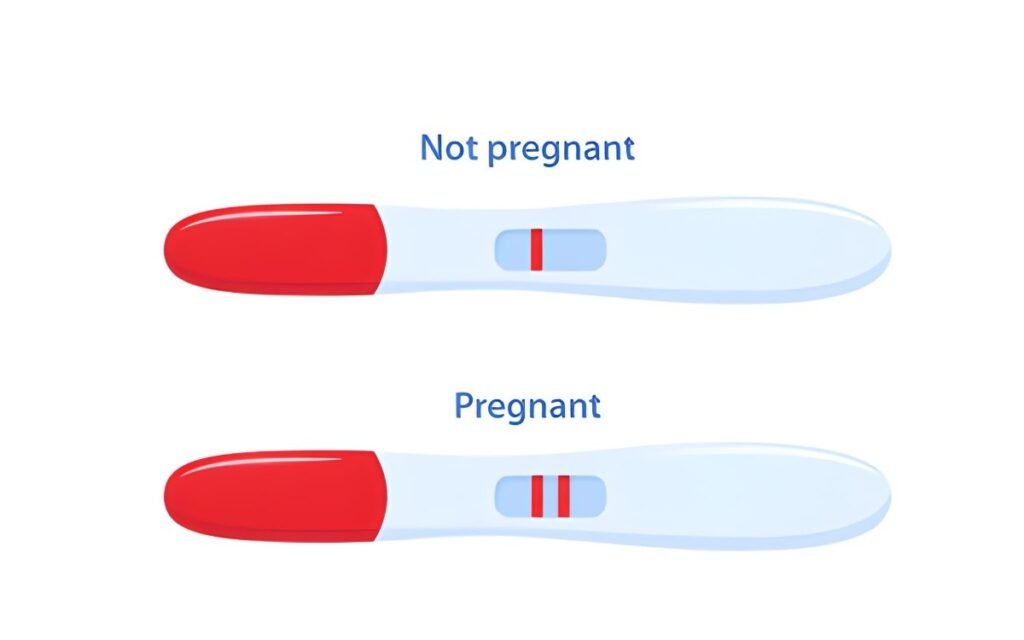
The scenario of receiving two negative results followed by a clear positive is primarily a case of **false negatives** caused by testing limitations, not a fluctuation in the pregnancy status. The fundamental scientific rule of home pregnancy tests (HPTs) is straightforward: A positive result, regardless of how faint, confirms the presence of human Chorionic Gonadotropin (hCG) in the urine. Since the male body does not produce hCG, and common medications rarely interfere, a positive HPT result is definitive proof of a pregnancy.
Why Negatives are Easily Misleading
HPTs work by detecting a minimum threshold of hCG (usually 6.5 to 25 mIU/mL). Once that threshold is crossed, a line appears. The previous two negative tests simply indicate that, at the time those tests were taken, the hCG concentration was below that threshold. The single positive test signals that the rising hormonal level finally surpassed the detection limit.
Clinical Focus: In medical practice, one positive test result always outweighs multiple negative results when determining the presence of a pregnancy. The focus now shifts from "Am I pregnant?" to "How far along am I, and is the pregnancy progressing normally?"
The Science of the False Negative
Understanding why those initial two tests were negative removes doubt and provides clarity on the hormonal timeline. The science points to two major factors: testing conditions and biological timing.
Dilution and Timing Errors
The concentration of hCG in the urine is highly variable, depending heavily on when the test is taken relative to urination and liquid consumption:
- Testing Schedule: Taking a test in the afternoon or evening can result in a negative, as urine consumed throughout the day dilutes the hCG concentration. The initial two tests may have been taken outside the optimal "first morning urine" window.
- Late Implantation: Implantation, the event that triggers hCG production, can occur between 6 and 12 days past ovulation (DPO). If the egg implanted late (e.g., 11 or 12 DPO), the hCG level may have been 5 mIU/mL on the day of the first two negative tests, but doubled to 20 mIU/mL by the time the third positive test was taken, passing the critical threshold.
| Condition | Impact on HCG Level | Result at Low HCG (Example) |
|---|---|---|
| Testing 10 DPO (Early) | HCG too low (e.g., 12 mIU/mL) | False Negative (If test sensitivity is 25 mIU/mL) |
| Diluted Urine (Any DPO) | HCG concentration temporarily reduced | False Negative (Hormone present, but undetectable) |
| Positive Test (Later) | HCG level has doubled (e.g., 50 mIU/mL) | True Positive (Threshold successfully crossed) |
Analyzing Test Sensitivity Differences
The type of test used significantly influences the result and can easily account for the discrepancy between the negatives and the positive. Not all home pregnancy tests are created equal.
The Sensitivity Spectrum (mIU/mL)
- Ultra-Sensitive Tests: Detect hCG as low as 6.5 mIU/mL. These are most likely to provide the initial faint positive.
- Standard Tests: Detect hCG around 25 mIU/mL. If your first two tests were these standard strips, they simply missed the rising hormone level.
- Digital Tests: Often have a detection threshold of 25 mIU/mL or higher. If one of the negative tests was a digital test, it means the reader was waiting for a higher, clearer concentration before displaying the "Pregnant" text.
If the final positive test was of a higher sensitivity (or taken later with more concentrated urine) than the previous two negatives, the result is completely rational and expected. The single positive result, which requires the chemical reaction with the hormone, serves as the definitive endpoint of the conflict.
Interactive: Discrepancy Analyzer
Use this interactive tool to understand how combining common error factors explains the conflicting results. Check the boxes that might apply to your first two (negative) tests, and see the likely impact.
Why Did the First Two Tests Fail?
1. Tested Before 12 DPO (Late Implantation Factor)
Likely Impact: HCG levels were below 15 mIU/mL. Most tests simply do not have the sensitivity to detect the pregnancy at this very early stage, resulting in a true false negative.
2. Used Second Morning Urine or Tested Mid-Day
Likely Impact: Urine dilution significantly decreased the hCG concentration, especially if the baseline hormone level was already low. Even a sensitive test can be fooled by dilution.
3. First Two Tests were a Less-Sensitive Brand (e.g., Threshold > 25 mIU/mL)
Likely Impact: The rising hCG level may have been 30 mIU/mL (a positive for a sensitive test), but the less sensitive tests remained negative until the level rose much higher (e.g., 50 mIU/mL).
4. Read the Negative Tests After the Time Limit
Likely Impact: If an evaporation line was present, you may have assumed the result was negative, missing a very faint true positive that developed just within the reading window.
hCG Doubling: The Key to Confirmation
The next essential step is confirming the single positive result shows **progression**. In a healthy intrauterine pregnancy, hCG levels double every 48 to 72 hours. This doubling rate will transform the single positive line into a strong, unmistakable positive line within the next few days.
The Protocol for Retesting
- Wait 48 Hours: Schedule your retest for 48 hours after the positive result. This gap allows sufficient time for the hormone to double, ensuring a visually clearer result.
- Use FMU: Use the first morning urine only to eliminate the variable of dilution.
- Compare Line Darkness: If the second test is positive and the line is visibly darker than the first positive test, it offers strong reassurance of a healthy, progressing pregnancy.
The Definitive Retesting Protocol
To move past the ambiguity of conflicting tests, the healthcare community recommends a structured follow-up. Since two negatives were received, it is important to confirm the strength of the positive.
If you are retesting at home, use a digital test for final confirmation. Digital tests remove all subjectivity by displaying "Pregnant" or "Not Pregnant," entirely eliminating concerns about faint lines or evaporation lines. Once a digital test is positive, the certainty level is absolute, and you should call your doctor.
Clinical Interpretation and Early Risks
The doctor's office will schedule your first prenatal appointment (typically between 8 and 10 weeks) and may order a quantitative blood test (beta hCG) to confirm the exact hormone level and monitor its doubling rate. This is the most accurate way to assess early viability.
Addressing Potential Risks
While the positive is definitive, the early stage still carries risks. A faint line, whether the first or the third test, can be the initial sign of a **chemical pregnancy**. This means the embryo implanted and produced hCG, but stopped developing shortly thereafter, resulting in a miscarriage around the time of the missed period.
A positive test followed by heavy bleeding and a negative retest usually confirms a chemical pregnancy. While emotionally difficult, it validates that conception and implantation successfully occurred, which provides valuable information for future family planning efforts.
Emotional Confidence and Next Steps
The experience of receiving conflicting test results is stressful, but the scientific takeaway is clear: You are pregnant. The initial negative tests were simply a reflection of timing and low hormonal concentration.
Take the definitive positive result as your signal to begin the next phase. Start (or continue) taking a high-quality prenatal vitamin with at least 400 mcg of folic acid. Immediately cease all consumption of alcohol, tobacco, and non-prescribed medications. Contact your healthcare provider to initiate your prenatal care. The conflict is resolved; the journey has begun.