
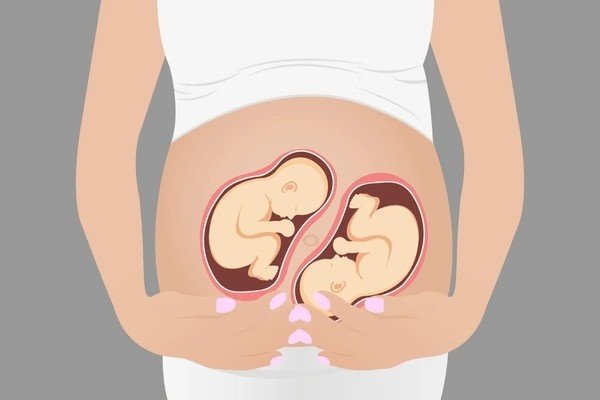
20 Weeks Twin Pregnancy: Decoding the Belly Size, Growth, and Specialized Self-Care
Reaching the Halfway Mark with a Multi-Fetal Gestation
Table of Contents
Reaching 20 weeks marks the official halfway point of pregnancy. In a multi-fetal gestation, this milestone represents a truly massive achievement in growth and biological development. The 20-week twin pregnancy belly is significantly larger than its singleton counterpart, often resembling the size of a full-term singleton pregnancy. This rapid expansion places unique demands on the maternal body, requiring specialized attention to posture, nutrition, and self-care. Understanding these physical changes allows for confident management of the second half of this complex journey.
The 20-Week Twin Belly: Size and Appearance
The pregnant belly at 20 weeks with twins is shaped by the presence of two fetuses, two placentas, and an exponentially greater volume of amniotic fluid compared to a singleton pregnancy. While individual body type plays a role, the visual difference is pronounced.
Early and Prominent Showing
Most individuals carrying twins begin showing noticeably much earlier, often by the end of the first trimester. By 20 weeks, the uterus is stretched well above the navel. The abdominal muscles are undergoing faster and more profound separation (diastasis recti) to accommodate the volume. The belly often presents as wide and prominent, with the skin taut across the surface due to rapid growth.
Uterine Metrics: Fundal Height Comparison
Fundal height, the measurement from the pubic bone to the top of the uterus, is a key metric used by providers to track growth. At 20 weeks gestation, the measurement for twins dramatically exceeds the singleton expectation.
| Gestation Stage | Singleton Fundal Height (Approximate) | Twin Pregnancy Fundal Height (Approximate) |
|---|---|---|
| 12 Weeks | Just above the pubic bone. | Typically 14-16 cm (already elevated). |
| 20 Weeks | At the level of the navel (20 cm). | Often measures 24-30 cm, resembling a 6-8 month singleton belly. |
| 30 Weeks (Twin) | N/A | May measure equivalent to 40+ cm (full term singleton). |
This increased fundal height indicates the exceptional strain on the musculoskeletal system, directly causing the common discomforts of twin pregnancy.
Managing Increased Physical Discomforts
The rapid and immense growth of the twin uterus amplifies standard pregnancy discomforts. Targeted strategies are essential for maintaining mobility and managing pain.
Severe Backache and Pelvic Pain
The forward shift of the center of gravity and the sheer weight put extraordinary pressure on the lumbar spine and pelvic joints. This often results in chronic lower back pain and Pelvic Girdle Pain (PGP). PGP is characterized by sharp pain in the pubic bone, hips, and low back, often worsening with single-leg activities like climbing stairs or getting out of a car.
Amplified Round Ligament Pain
The round ligaments, which support the uterus, are stretched to an unprecedented degree. Round Ligament Pain (RLP) is often more frequent, lasting, and intense in twin pregnancies. It presents as sharp, stabbing pain in the lower abdomen or groin, especially when changing position rapidly.
Shortness of Breath and Digestive Issues
By 20 weeks, the uterus is pressing upward into the abdominal cavity, limiting the space available for the stomach and lungs. This upward pressure causes increased shortness of breath, as lung capacity is compressed, and leads to more severe heartburn and sluggish digestion.
Interactive Discomfort Relief Guide
Use this tool to find targeted relief measures for common 20-week twin pregnancy discomforts.
Select Your Main Discomfort:
Fetal Movement (Quickening) in Twins
By 20 weeks, quickening—the sensation of fetal movement—is established. With two fetuses, movement awareness is often heightened, though it can also be confusing.
Awareness and Tracking Complexity
Many twin parents feel movement earlier and more frequently due to the sheer volume of activity. However, tracking movement can be more complex, as it is difficult to distinguish which twin is moving. The focus is not on tracking individual kicks yet, but on establishing a pattern of movement *overall*. If one area of the belly feels consistently quiet for a prolonged period, it warrants discussion with the provider.
Specialized Nutrition and Weight Gain
Nutrition becomes specialized to support the rapid development and placental function of two fetuses. The guidelines differ significantly from a singleton pregnancy.
Weight Gain Goals and Caloric Intake
The recommended weight gain for a twin pregnancy by 20 weeks is typically 20 to 28 pounds (9 to 13 kg), and the focus is on steady gain. Caloric intake in the second trimester for twins is generally increased by about 600 calories per day over pre-pregnancy needs (compared to 300 for a singleton). This extra energy must come from nutrient-dense sources, not empty calories.
Nutrient Focus for Twin Gestation
- Iron: The risk of anemia is extremely high with twins due to the demand for two separate blood supplies. Consistent intake of iron-rich foods (lean red meat, fortified cereals) and often prescription iron supplements are mandatory.
- Protein: Essential for building two placentas, two fetuses, and the maternal support tissues. Aim for approximately 100 grams of protein daily.
- Folic Acid and B12: Higher doses are frequently recommended to support the increased rate of cell division and DNA synthesis in both fetuses.
Conclusion: Prioritizing Self-Care and Specialists
The 20-week twin pregnancy belly is a testament to the immense and accelerated biological work taking place. The increased size necessitates prioritizing physical support (support belts, stretching) and diligent specialized nutrition to meet the extraordinary demands of multi-fetal gestation. Continuous, clear communication with a medical team experienced in twin pregnancy is the most important factor in navigating the next 20 weeks successfully and ensuring the health and stability of both maternal and fetal outcomes.



