A critical phase of rapid organ development, maternal adjustment, and intensive monitoring for premature birth risk.
Article Navigation
Fetal Development: The Viability Frontier
The 22nd week is a landmark moment in gestation, placing the developing fetus at the edge of the viability threshold. Viability refers to the gestational age at which a baby has a reasonable chance of survival outside the womb, typically starting around 23 to 24 weeks with intensive medical support. The development this week focuses heavily on preparing critical organ systems for potential, though highly unlikely, early delivery.
Sensory Milestones: Touch and Hearing
The fetus is now approximately 10 to 11 inches long and weighs about 1 pound (the size of a small spaghetti squash). Sensory development is rapidly accelerating:
- Tactile Development: The nerve endings are highly sensitive, and the fetus fully explores its environment by touching its face, sucking its thumb, and grasping the umbilical cord. This sensory exploration aids in brain mapping and motor skill refinement.
- Auditory Processing: The inner ear bones (ossicles) are hardened and functional. The fetus hears not only the rhythmic sounds of the mother’s heart and voice but also outside noises, albeit muffled by amniotic fluid. Consistent exposure to the parents’ voices strengthens the postnatal bonding and recognition process.
Lung Development and Surfactant Production
The structure of the lungs, specifically the small air sacs (alveoli), are rapidly forming. Crucially, the cells that produce surfactant begin to appear. Surfactant is a substance that coats the alveoli and prevents them from collapsing, which is the single biggest hurdle for babies born prematurely. While production begins now, levels are typically inadequate for survival until much later in the third trimester.
Maternal Changes: The Visible Shift and Discomforts
At 22 weeks, the pregnancy bump is undeniable, and the mother's body works harder than ever. The visible changes and associated discomforts are directly proportional to the increased blood volume and shifting internal anatomy.
Physical Discomforts: Swelling and Balance
Increased blood volume and the weight of the uterus placing pressure on the pelvic veins often cause edema (swelling) in the feet, ankles, and hands. This swelling is normal but requires monitoring.
To mitigate swelling, elevate the legs several times a day, wear comfortable, supportive shoes, and avoid standing for prolonged periods. Sudden, severe swelling in the hands and face, however, can be a warning sign of pre-eclampsia and requires immediate medical attention.
The shifting center of gravity also affects balance. The hormone relaxin loosens ligaments, contributing to joint instability. Maintaining correct posture and avoiding high-risk activities minimizes the chance of falls.
The Fundal Height Check
At your prenatal appointment, the provider measures the fundal height (the distance from the pubic bone to the top of the uterus). This measurement should align closely with the gestational week, meaning at 22 weeks, the fundal height is typically 22 centimeters. This simple measurement is a primary indicator of healthy, consistent fetal growth.
Critical Medical Monitoring: Preterm Risk Assessment
Given the approach to the viability threshold, physicians intensify monitoring for factors that could lead to preterm labor.
Understanding the Viability Threshold
The difference between 22 weeks and 24 weeks can be stark regarding survival statistics. While survival is low at 22 weeks, it climbs significantly by 24 weeks gestation due to the maturation of lung and brain structures. This reality underscores the importance of seeking immediate medical intervention if preterm labor symptoms (contractions, pelvic pressure, backache) appear.
Cervical Length Monitoring and Intervention
For women with a history of preterm birth or those carrying multiples, transvaginal ultrasound screening for a short cervix is often performed around this time. A short cervix (under 25 millimeters) is a primary indicator of preterm labor risk.
If a short cervix is identified, the obstetrician may recommend:
- Progesterone Supplementation: Daily vaginal progesterone (often 100 mg to 200 mg) is used to maintain uterine quiescence and strengthen cervical integrity.
- Cervical Cerclage: A surgical procedure where a stitch is placed around the cervix to keep it closed. This is typically performed earlier, but depends on the severity and history.
- Activity Restriction: Modifying physical activity to reduce pressure on the cervix.
Nutritional Focus: Essential Fatty Acids and Anemia Prevention
The rapid brain and retinal development occurring at 22 weeks increases the fetus's demand for specific nutrients, requiring the mother to pay close attention to the quality of her diet.
DHA and Omega-3 Fatty Acids
Docosahexaenoic Acid (DHA), an Omega-3 fatty acid, is a major structural component of the cerebral cortex and the retina. Supplementation or dietary intake is crucial now, as the fetus rapidly accumulates these fats. Sources include fatty fish (salmon, sardines—ensure low mercury), fortified eggs, or high-quality algae-based supplements.
Iron and Anemia Management
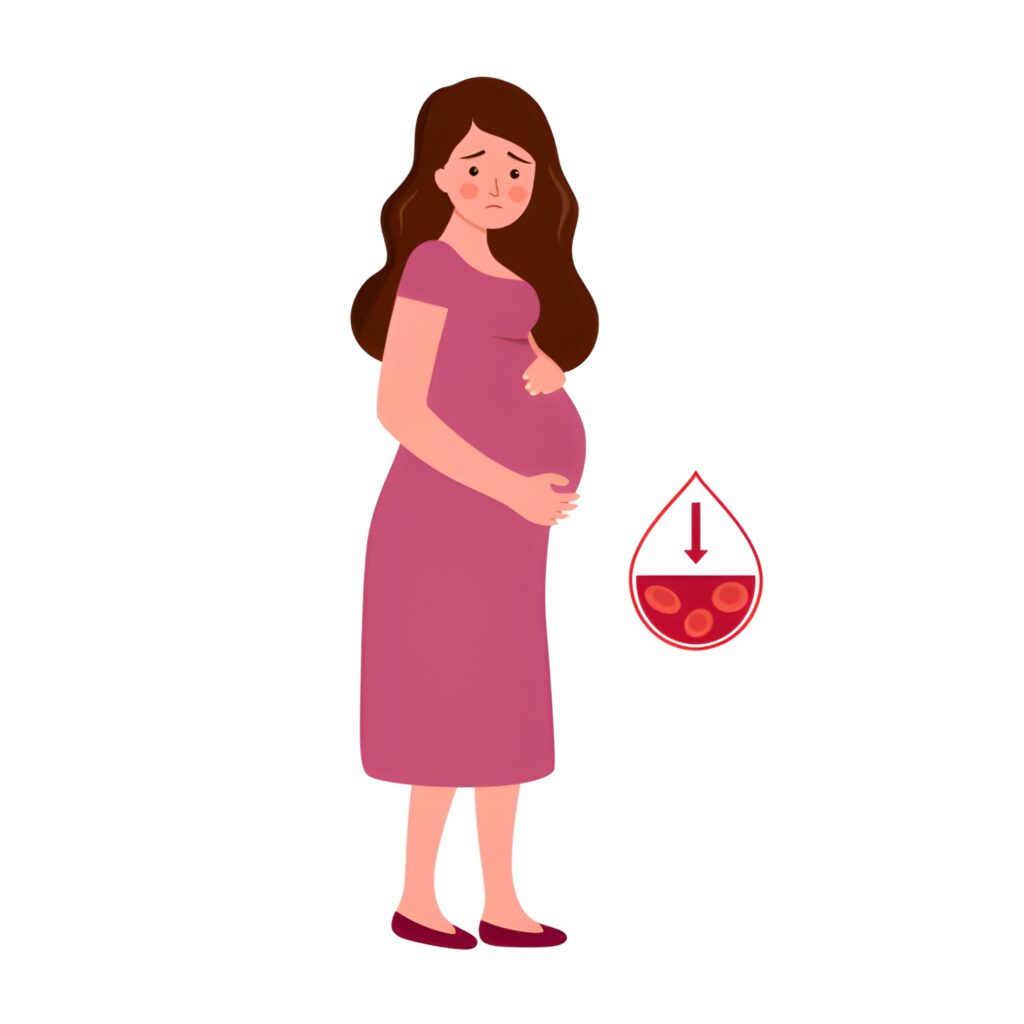
The mother's blood volume is nearing its maximum expansion, leading to a state of physiologic anemia (where the blood is diluted, even if red blood cell production is normal). However, true iron-deficiency anemia is common and detrimental, causing maternal fatigue and potentially low birth weight.
The recommended daily intake of elemental iron during pregnancy is 27 mg. If a doctor prescribes supplemental iron (e.g., Ferrous Sulfate, which is 20 percent elemental iron) to correct anemia, the dosage is calculated to meet the elemental deficit.
Example Pill Dosage: 325 mg Ferrous Sulfate
Elemental Iron: 325 mg × 0.20 = 65 mg elemental iron
This single pill provides 65 mg of elemental iron, significantly increasing intake beyond the daily requirement to restore maternal iron stores. Always take iron supplements with Vitamin C to maximize absorption.
Socioeconomic and Logistical Planning
The approaching third trimester means logistical decisions must be finalized. Addressing childcare, leave, and finances now prevents stress during the final months of pregnancy.
Childcare Research and Enrollment Timelines
In the US, high-quality infant childcare often has waitlists exceeding one year. If you plan to enroll the baby in daycare, you must begin touring facilities, securing spots, and placing deposits now. Delaying past the second trimester significantly limits options, particularly in urban and high-demand suburban markets.
Financial Preparedness: Budgeting for Maternity Leave
Finalize your maternity leave plan by coordinating FMLA (job protection) with any paid leave (employer short-term disability or paid family leave). Create a detailed six-month budget that accounts for reduced income during unpaid portions of the leave and the increased costs of infant necessities and health insurance premiums.
Confidence Moving Past the Midpoint
The 22nd week is a period of heightened awareness and profound growth. The baby is refining their senses and making critical strides toward external viability, while your body demands specialized care to manage swelling and maintain stability. By proactively discussing preterm labor risk with your medical team, ensuring optimal DHA and iron intake, and finalizing essential logistical planning, you move confidently past the midpoint. This meticulous preparation ensures both the health of the mother and the secure environment for the final phase of fetal development.
© 2025 Child and Mother Specialist Guidance. All rights reserved.