A Critical Diagnostic Tool in Prenatal Care
The 24-Hour Urine Protein Test in Pregnancy: Purpose, Protocol, and Pre-eclampsia Screening
Table of Contents
Purpose: Why This Test is Ordered
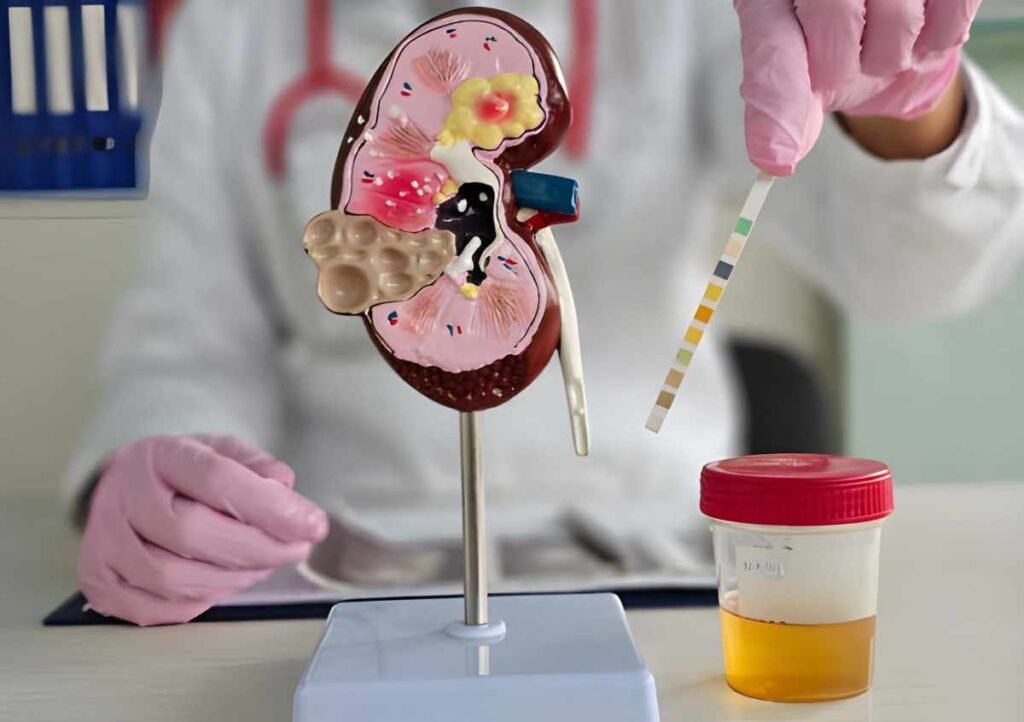
The 24-hour urine protein test is a quantitative measure used to assess kidney function by determining the **total amount of protein excreted in the urine over a full day**. While spot urine tests check protein concentration at a single moment, the 24-hour collection provides the most accurate reflection of the kidneys' filtering efficiency over the body's natural circadian rhythms.
Primary Indication in Pregnancy: Proteinuria
During pregnancy, this test is primarily ordered when a healthcare provider suspects **proteinuria**—an abnormally high level of protein in the urine. Proteinuria is often a key indicator of underlying kidney stress or, more critically, the onset of pre-eclampsia.
Due to the physiological changes of pregnancy (increased renal blood flow and glomerular filtration rate), the kidneys naturally work harder, and a slight increase in urinary protein is expected. This test helps distinguish that normal physiological increase from a pathological one that signals a problem.
Understanding Normal Protein Excretion
The kidneys, or glomeruli, are responsible for filtering blood. Under normal circumstances, large protein molecules (like albumin) are retained in the bloodstream and are not excreted in urine. When the filter is damaged or stressed, these proteins "spill" into the urine.
The Diagnostic Threshold
Normal protein excretion in a non-pregnant adult is typically less than 150 mg per 24 hours. However, pregnancy raises this baseline. The clinical threshold for defining abnormal proteinuria in pregnancy is:
Normal Protein Excretion in Pregnancy: < 300 mg per 24 hours
A result **equal to or greater than 300 mg** in a 24-hour period is defined as proteinuria and requires immediate medical investigation, particularly if accompanied by elevated blood pressure.
| Condition | 24-Hour Protein Level (mg) | Clinical Significance |
|---|---|---|
| Non-Pregnant Adult | < 150 mg | Baseline kidney function. |
| Normal Pregnancy | Up to 300 mg | Increased renal workload is expected. |
| Proteinuria (Abnormal) | => 300 mg | Suggests kidney injury or pre-eclampsia (when accompanied by hypertension). |
| Severe Proteinuria | > 2,000 mg | Signifies severe renal strain and requires urgent management. |
The Critical Link to Pre-eclampsia
The 24-hour urine protein test is a cornerstone diagnostic tool for managing **pre-eclampsia**. Preeclampsia is a serious, rapidly progressing blood pressure disorder that typically develops after 20 weeks of gestation and affects organ function, particularly the kidneys and liver.
Diagnosis and Monitoring
Proteinuria (the elevated protein level) and new-onset hypertension (blood pressure => 140/90 mmHg) are the classic findings for pre-eclampsia diagnosis. While current guidelines from the American College of Obstetricians and Gynecologists (ACOG) no longer require proteinuria for diagnosis if other organ damage is present, measuring 24-hour protein remains essential for:
- Confirming Proteinuria: Validating a positive initial dipstick test or spot urine protein-to-creatinine ratio (UPCR).
- Assessing Severity: The degree of proteinuria correlates with the severity of the disease and guides treatment decisions (e.g., expectant management vs. delivery).
- Monitoring Trends: Tracking changes in protein excretion over time indicates whether the disease is worsening or stable.
Collection Protocol: Ensuring Accurate Results
The 24-hour collection is deceptively simple but demands strict adherence to the protocol. Any lapse—missing a sample, starting or stopping at the wrong time—invalidates the results and requires repeating the entire test. An inaccurate result can delay a necessary diagnosis or lead to unnecessary clinical interventions.
The Critical First Step: Timing the Start
The test requires a precise 24-hour window. The collection begins immediately after the first morning void on Day 1. That first urine sample is discarded, and the timer starts immediately after. The very last sample collected must be exactly 24 hours later.
Interactive: Step-by-Step Collection Guide
Follow these steps carefully. Click on each step to view critical instructions and troubleshooting tips.
Morning of Day 1: Urinate into the toilet and flush. Immediately record the exact time—this is your 24-hour start time (e.g., 7:00 AM). The collection begins NOW.
Collect every subsequent drop of urine for the next 24 hours into the provided container. This includes all daytime voids and any nocturnal voids. Missing even one void invalidates the test.
The collected urine must be kept refrigerated or stored on ice throughout the entire 24-hour period to prevent protein degradation. Store the container in a cooler or in the back of the refrigerator.
Morning of Day 2: Urinate exactly 24 hours after the start time (e.g., 7:00 AM). This final sample MUST be collected, even if you do not feel the need to urinate. This concludes the collection.
Seal the container immediately. Deliver the sample to the laboratory or clinic as soon as possible after completion. Note the total volume of urine collected if required by the lab.
Factors Causing False Results
Several physiological and logistical factors can temporarily elevate protein levels, leading to a false positive reading, or reduce them, causing a false negative. Awareness of these factors ensures the results accurately reflect the patient’s health status.
Causes of Temporary Protein Elevation (False Positive)
- Strenuous Exercise: Vigorous physical activity, especially right before or during the collection period, can temporarily raise protein excretion.
- Dehydration: A lack of fluid intake concentrates the urine, making any present protein appear higher.
- Infection: A Urinary Tract Infection (UTI) causes inflammation, leading to a temporary protein spike. UTI must be ruled out before a pre-eclampsia diagnosis is confirmed.
- Fever or Severe Stress: These factors place temporary strain on the body and kidneys.
Causes of False Low Results (False Negative)
The most common cause of a falsely low result is **incomplete collection**—missing one or more voids during the 24-hour window. This lowers the total calculated protein and can mask a true case of proteinuria, delaying a critical diagnosis.
Alternatives to the 24-Hour Collection
The 24-hour collection is labor-intensive and often suffers from compliance errors (incomplete collection). Due to these challenges, many healthcare systems now utilize or rely more heavily on alternative testing methods, particularly as screening tools.
Urine Protein-to-Creatinine Ratio (UPCR)
The UPCR test uses a single, spot urine sample. It measures the ratio of protein to creatinine (a waste product excreted at a steady rate). This ratio provides a reliable estimate of 24-hour protein excretion. It is faster, requires far less effort, and is frequently used to **rule out** significant proteinuria. If the UPCR is low, it is highly predictive of a negative 24-hour test.
Interpreting High Results and Next Steps
If your 24-hour urine protein result is 300 mg or higher, your healthcare provider will integrate this finding with your blood pressure readings, symptoms (headache, visual changes, upper abdominal pain), and blood work (liver enzymes, platelet count) to form a clinical picture.
Management and Monitoring
A diagnosis of pre-eclampsia initiates increased monitoring:
- Fetal Surveillance: Frequent ultrasounds, nonstress tests, and biophysical profiles to monitor the baby's well-being and growth.
- Blood Pressure Control: Medications may be introduced to manage hypertension.
- Delivery Planning: Depending on the severity and gestational age (time since LMP), the ultimate management may involve delivery of the baby, as that is the definitive treatment for pre-eclampsia.
The 24-hour urine protein test, though demanding, remains a powerful, reliable tool in the prenatal toolbox. By following the precise collection protocol and understanding what the numbers signify, mothers and providers can work together to ensure prompt, accurate diagnosis and management of conditions critical to maternal and fetal health.