Persistent Headaches in Pregnancy: Causes, Relief, and When to Seek Help
Analyzing the Symptoms and Risks of a Three-Day Headache During Gestation
Table of Contents
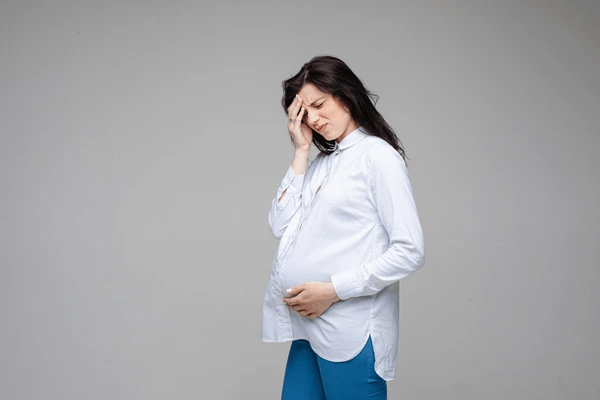
A headache lasting three consecutive days is more than a momentary discomfort; it is a persistent signal from the body demanding attention. Headaches are a common complaint across all three trimesters, yet their underlying causes shift significantly as the pregnancy progresses. While many persistent headaches are rooted in benign factors like dehydration or muscle tension, any headache that lasts 72 hours or more, particularly in the mid-to-late stages of pregnancy, warrants immediate clinical scrutiny to rule out serious vascular or blood pressure-related complications. The goal is to accurately diagnose the origin to apply the safest, most effective relief.
Headaches in Pregnancy: A Persistent Reality
Headaches are prevalent, with two primary patterns:
- First Trimester: Headaches here are often vascular, driven by the massive surge in hormones (Estrogen and Progesterone) and the dramatic increase in blood volume required for placental development.
- Second and Third Trimester: Headaches often shift to be mechanically driven—by posture, sleep disruption, blood sugar fluctuation, and sometimes, hypertension.
Phase I Causes: Dehydration and Tension
The most frequent reasons a headache starts are often related to lifestyle and physiological changes inherent to pregnancy.
Tension and Hormonal Factors
Tension Headaches: This is the most common type. It presents as a dull, constant ache across the forehead, temples, or back of the neck. It is frequently triggered by poor posture (especially in the second and third trimesters), emotional stress, or lack of sleep.
Dehydration: Increased maternal blood volume, higher metabolic rate, and, in the first trimester, frequent nausea or vomiting, increase the body's fluid requirements exponentially. Even mild dehydration can constrict blood vessels, triggering a headache that is typically dull but widespread.
Vascular and Environmental Triggers
Caffeine Withdrawal: If the pregnant individual has abruptly reduced or ceased high caffeine intake, withdrawal symptoms often include a severe, pounding headache that can easily last for days. Tapering caffeine slowly is key to prevention.
Blood Sugar Fluctuation: Skipping meals or relying on high-sugar snacks leads to crashes in blood sugar (hypoglycemia). This fluctuation can trigger persistent headaches, necessitating small, frequent meals with balanced protein and complex carbohydrates.
Phase II Causes: Persistent Triggers (3+ Days)
When a headache lasts beyond 48 hours, it often points to a sustained, unaddressed physiological stressor.
Sustained Blood Flow and Sinus Pressure
Increased Blood Volume: By the second and third trimesters, blood volume has increased by up to 50%. This constant high volume and pressure within the circulatory system can cause persistent headaches, especially when combined with positional changes (e.g., lying flat).
Sinus Congestion: Hormones, particularly estrogen, cause the mucous membranes throughout the body to swell, leading to chronic rhinitis (stuffy nose) and increased sinus pressure. This can manifest as a persistent headache, often felt behind the eyes and across the cheeks. This type of headache tends to be worse in the mornings.
Critical Red Flags: When to Call Your Provider
The most important distinction in prenatal care is identifying the severe headache that indicates a hypertensive disorder, particularly Preeclampsia. This requires immediate clinical evaluation.
Preeclampsia Warning Signs (Usually 20+ Weeks)
Preeclampsia is a serious condition characterized by new-onset high blood pressure and potential damage to other organs, usually developing after 20 weeks gestation. The persistent headache associated with Preeclampsia is often described as severe, unrelieved by common pain medication, and frontal (across the forehead). It is rarely isolated and is usually accompanied by other symptoms:
| Accompanying Symptom | Headache Concern Level | Clinical Indication |
|---|---|---|
| Visual Changes (Spots, Flashes, Blurred Vision) | URGENT | Severe hypertension affecting the brain/eyes. |
| Sudden, Severe Swelling (Hands, Face) | High | Fluid retention linked to hypertension. |
| Pain in Upper Right Abdomen (Under Ribs) | URGENT | Liver/HELLP syndrome involvement. |
| Pain Unresponsive to Acetaminophen | High | Requires immediate blood pressure check. |
Interactive Pain Identifier
Use this tool to categorize your headache type and receive an initial assessment based on duration and location. This tool provides guidance, but does not replace professional medical advice.
Select the best description of your 3-day headache:
Safe and Effective Relief Strategies
Managing a headache that persists for three days requires a multi-faceted approach focused on non-pharmacological methods first, combined with the only safe over-the-counter pain reliever.
Non-Pharmaceutical and Lifestyle Relief
- Hydration Check: Immediately increase water intake. Consider adding electrolytes (pediatric solution or diluted sports drink) if vomiting has occurred.
- Temperature Therapy: Apply a cold pack or frozen gel pack to the forehead or the base of the neck to constrict blood vessels. A warm compress applied to the back of the neck can relax muscle tension.
- Dark, Quiet Rest: Lie down in a cool, dark room. Elevating the head slightly can sometimes relieve pressure.
- Cervical Massage: Gentle massage of the temples and neck muscles can alleviate tension headaches caused by pregnancy posture strain.
Medication Guidance
Only **Acetaminophen (Tylenol)** is generally considered safe for pain relief during pregnancy. However, if the headache is severe and persists despite maximum recommended doses of acetaminophen, it is a clinical sign that necessitates calling your provider. Never take NSAIDs (like Ibuprofen or Naproxen) in the third trimester, as they can cause premature closure of a fetal heart vessel.
Conclusion: Persistent Pain Requires Clinical Confirmation
A three-day headache during pregnancy requires resolution, not simply endurance. While most cases stem from manageable issues like dehydration, fatigue, or tension, the possibility of a serious underlying condition, particularly Preeclampsia after 20 weeks, elevates this symptom to a critical monitoring point. If your headache is persistent, severe, or accompanied by any visual changes or upper abdominal pain, do not hesitate; call your healthcare provider immediately for a blood pressure check and clinical assessment. Prioritizing objective safety ensures both you and the fetus remain healthy throughout gestation.