The Biological Moment of Conception
2nd Week Pregnancy Symptoms: Clarifying the Biological Timeline and Ovulation Signs
Table of Contents
- Gestational Math: Why 2 Weeks is Ovulation
- Biological Status: The Path to Fertilization
- True Signs at Week 2: Symptoms of Ovulation
- Interactive: Ovulation Symptom Checker
- The Waiting Game: When Do Pregnancy Symptoms Start?
- Fetal Preparation: Lifestyle and Folic Acid
- Maximizing Chances: Objective Tracking Methods
Gestational Math: Why 2 Weeks is Ovulation
For anyone tracking the early stages of pregnancy, the "2nd week" is often shrouded in mystery. The reason for this confusion is the medical standard for calculating gestational age. Clinicians calculate pregnancy duration beginning with the First Day of the Last Menstrual Period (LMP), even though the woman is not yet pregnant. This standard adds approximately two weeks to the pregnancy timeline before conception occurs.
In a standard 28-day cycle, ovulation—the actual release of the egg—occurs around Day 14, which is precisely the end of the second week (2 weeks from the LMP). Therefore, at this time, the body is performing the monumental task of releasing the egg and preparing for possible fertilization; it is not yet displaying signs of an established pregnancy.
Key Distinction: Timing is Everything
At 2 weeks pregnant, the body is actively trying to conceive. True pregnancy symptoms, driven by the hormone hCG, will not begin until the embryo successfully implants in the uterine wall, a process that happens days later, around Week 3 or Week 4 of gestation.
Biological Status: The Path to Fertilization
The biological events of the second week are controlled by a precise surge and drop of hormones designed to achieve ovulation and prepare the uterus.
Hormonal Activity and Egg Release
The two main hormones regulating this week are Estrogen and Luteinizing Hormone (LH).
- Estrogen Peak: Throughout the second week, Estrogen levels surge, stimulating the growth of the uterine lining and promoting the development of the cervical mucus into a sperm-friendly consistency.
- LH Surge: The Estrogen peak triggers the pituitary gland to release a burst of Luteinizing Hormone (the LH surge). This surge is the direct biological trigger for the rupture of the ovarian follicle and the release of the egg—the moment of ovulation.
- Fertilization Window: Once released, the egg is viable for only 12 to 24 hours. Fertilization, if it occurs, happens within this narrow window while the egg is in the fallopian tube.
True Signs at Week 2: Symptoms of Ovulation
The symptoms experienced during the second week are scientifically known as ovulation signs, indicating the body is fertile and ready for conception. These signs are often mistaken for early pregnancy symptoms due to their resemblance to minor cramping or fluid changes.
Key Physical Indicators
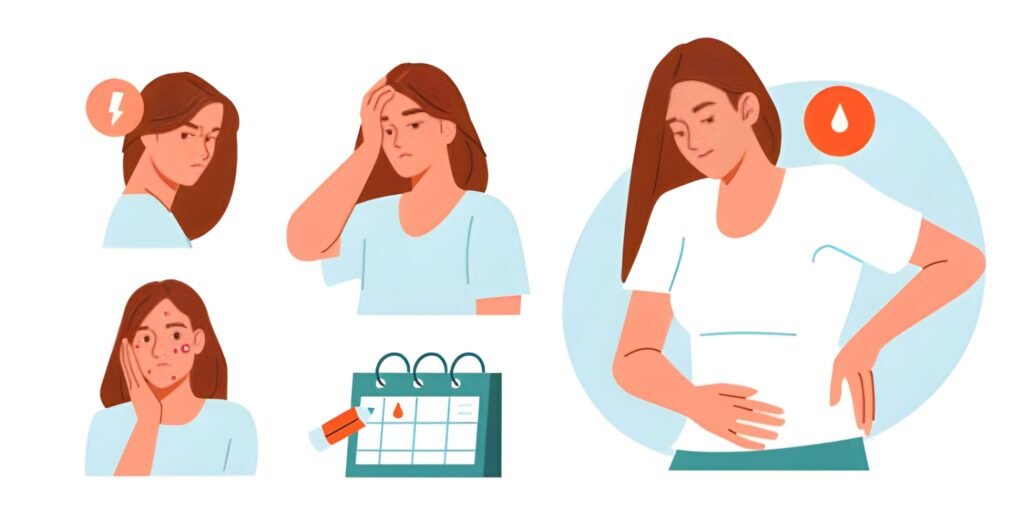
- Cervical Mucus Change: The most reliable sign. Estrogen causes the mucus to become clear, thin, slippery, and stretchy, resembling raw egg whites. This consistency facilitates sperm movement.
- Ovulation Pain (Mittelschmerz): A sharp, distinct, often localized pain or dull ache felt on one side of the lower abdomen. This sensation lasts from a few minutes to a few hours and marks the physical rupture of the follicle.
- Increased Libido: A natural surge in sexual desire is common due to high Estrogen levels, maximizing the chance of intercourse coinciding with fertility.
- Minor Spotting: Some women experience very light pink or brown spotting (a "show") due to the sudden drop in estrogen immediately following the egg's release.
Interactive: Ovulation Symptom Checker
Identify which symptoms you are experiencing to confirm the timing of ovulation.
Select the symptoms that apply:
Status: High Estrogen, Peak Fertility. This is a primary indicator that ovulation is imminent or has just occurred.
Status: Ovulation Pain (Mittelschmerz). This indicates the physical event of the follicle rupturing to release the egg.
Status: High Estrogen. This is a common behavioral signal corresponding with the most fertile phase of the cycle.
The Waiting Game: When Do Pregnancy Symptoms Start?
The waiting period for true pregnancy signs begins immediately after Week 2 (post-ovulation). This is known as the Luteal Phase or the "Two Week Wait."
The Implantation Trigger
True, clinically recognizable pregnancy symptoms are driven by the hormone Human Chorionic Gonadotropin (hCG). Production of hCG cannot begin until the fertilized egg successfully implants into the uterine lining.
- Implantation Timing: Implantation occurs between 6 and 12 days past ovulation (DPO), which corresponds to Week 3 or the very beginning of Week 4 of gestation.
- Symptom Onset: It takes another few days for hCG levels to build up enough to trigger symptoms like nausea, extreme fatigue, and breast soreness (which are not just progesterone effects).
- Earliest Symptoms: The earliest ambiguous pregnancy symptoms are typically felt around 7 to 10 DPO, often during Week 4, coinciding with the anticipated missed period.
Therefore, if conception was successful during the second week, the mother should not expect any true physical sign of pregnancy until at least the third week of gestation.
Fetal Preparation: Lifestyle and Folic Acid
Because Week 2 is the actual conception window, the body must be prepared beforehand. This emphasizes the need for pre-conception care.
The Critical Role of Folic Acid
The foundation of healthy fetal development is laid before a positive test. Folic acid (Vitamin B9) intake is paramount. It is essential for the rapid cell division and, critically, for the closing of the neural tube, which forms the baby's brain and spinal cord. This process occurs fully around Week 6, but the preparation must begin before Week 4.
Every woman planning or attempting conception should be taking a prenatal vitamin containing at least 400 micrograms of folic acid daily. This preventative measure must be in place during the second week to maximize protection during the vital Week 3 through Week 6 development period.
Maximizing Chances: Objective Tracking Methods
Rather than relying on subjective symptoms, women trying to conceive should utilize objective methods during Week 2 to confirm their peak fertility window.
| Method | What It Confirms | Timing in Week 2 |
|---|---|---|
| Ovulation Predictor Kits (OPKs) | Measures the surge of Luteinizing Hormone (LH) | Used daily to identify the day(s) before ovulation. |
| Basal Body Temperature (BBT) | Confirms ovulation after it occurs via temperature spike. | Temperature rises after ovulation (end of Week 2) and remains high. |
| Cervical Mucus Observation | Identifies the 'egg-white' fertile mucus. | Peak fertility mucus is observed just before and during ovulation. |
Conclusion: Confident Understanding of the Timeline
The "2nd week of pregnancy" is a medical misnomer for the symptom search; it is, in fact, the moment of ovulation and potential conception. Any physical changes felt are the direct, natural results of hormonal fluctuations—Estrogen peaking and LH surging—designed to achieve fertilization. True signs of pregnancy are biologically impossible at this stage. Confident navigation of this period requires shifting focus from subjective symptom-spotting to objective confirmation of ovulation and proactive adherence to crucial fetal preparation, particularly daily folic acid supplementation, while patiently awaiting the earliest possible confirmation in the coming weeks.