The Ultimate Confirmation
Three Positive Pregnancy Tests: Certainty, Next Steps, and Early Prenatal Care
Table of Contents
- Clinical Certainty: Why Three is Definitive
- The Biological Trigger: hCG Verification
- When to Worry: Ruling Out a False Positive
- Interpreting Line Progression and Chemical Pregnancy
- Immediate Action: The Essential Next Steps
- Interactive Scenario Checker: What Should I Do Now?
- Socioeconomic Moves: Early Planning in the US
Clinical Certainty: Why Three is Definitive
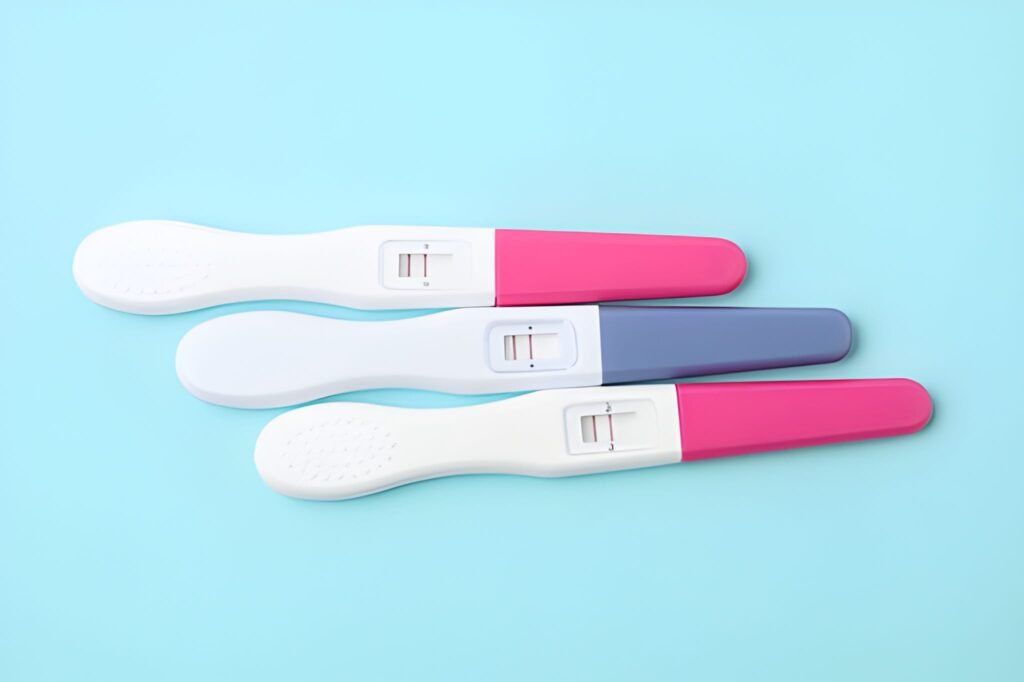
The home pregnancy test is a highly reliable diagnostic tool. When you achieve three positive results—ideally using tests from different brands or batches—the statistical certainty of an established pregnancy approaches 100 percent. This scenario provides powerful reassurance, allowing the expectant parent to transition mentally from the stressful "Two Week Wait" to the confident initiation of prenatal care.
The need for multiple tests often stems from the psychological desire for verification, especially if the initial result showed a faint line. Three distinct positive results confirm that the level of Human Chorionic Gonadotropin (hCG) in the urine is consistently above the detection threshold, confirming that an embryo has successfully implanted in the uterine wall.
The Biological Trigger: hCG Verification
Home pregnancy tests function by detecting the beta subunit of the hCG hormone. This hormone is produced immediately after the placenta begins to form following implantation (typically 6 to 12 days past ovulation). The reliability of three positive tests confirms two critical biological facts:
Implantation Confirmed and Hormones Rising
The trio of positive tests verifies that the embryo has attached to the uterine lining. Furthermore, for the lines to appear on multiple tests—especially if tested over a period of 24 to 48 hours—it confirms that the hCG levels are rising. This rising trend is a crucial indicator of a viable, progressing pregnancy in the earliest stages.
The False Negative vs. False Positive Ratio
Home pregnancy tests are far more likely to produce a false negative result (showing negative when pregnant, usually due to testing too early) than a true false positive result (showing positive when not pregnant). Three positive tests eliminate the likelihood of random error or evaporation line confusion.
When to Worry: Ruling Out a False Positive
While three positives offer extremely high confidence, a true false positive result is possible in a few, very specific, non-pregnancy related scenarios. These causes are rare and often require medical intervention.
Exogenous hCG (Fertility Medication)
The most common source of a clinical false positive is the use of injectable fertility medications that contain hCG (such as Ovidrel or Pregnyl). These "trigger shots" are designed to induce ovulation, and the test detects the remnants of the medication still circulating in the body, not a pregnancy. The solution is to continue testing or wait for a blood test to confirm if the body's natural hCG production is taking over.
Rare Medical Conditions
Extremely rarely, certain medical conditions, including specific types of ovarian cysts or gestational trophoblastic disease, can produce hCG. However, these conditions are usually accompanied by other severe symptoms and are quickly identified via clinical blood tests and ultrasound.
Interpreting Line Progression and Chemical Pregnancy
After multiple positive tests, many individuals feel compelled to continue testing to monitor the darkness of the test line—a practice known as "line progression."
Line Darkness as a Proxy for Doubling
The darkness of the line corresponds to the concentration of hCG in the urine. If testing multiple times over two or three days, the line should be visibly darker each time, reflecting the hormone's critical doubling rate (typically every 48 to 72 hours). This visual confirmation can offer reassurance. However, variations in urine concentration and test dye lots mean that relying solely on line progression should be avoided.
The Reality of Chemical Pregnancy
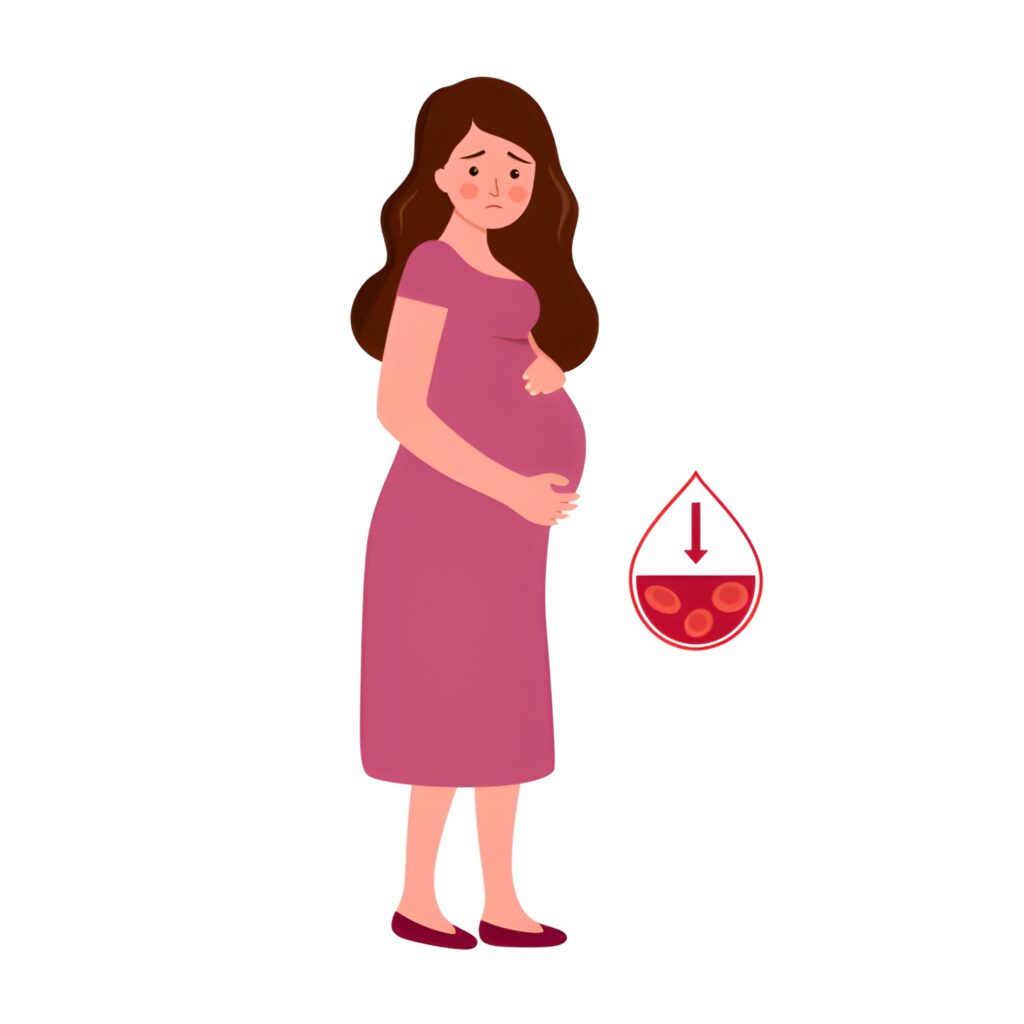
A positive test confirms that hCG is present. However, it does not confirm the long-term viability of the pregnancy. A **chemical pregnancy** occurs when implantation happens and hCG production begins, leading to positive tests, but the embryo fails to develop further and is lost shortly after. A chemical pregnancy is medically considered a very early miscarriage. If the test lines become progressively fainter or disappear, or if heavy bleeding begins, immediate consultation with a provider is necessary to assess the situation via quantitative (Beta) hCG blood tests.
Immediate Action: The Essential Next Steps
A triple positive test means the expectant parent is already 4 to 5 weeks pregnant (gestational age) and must transition immediately into prenatal health practices.
1. Contact Your Healthcare Provider
Call your OB-GYN, midwife, or family doctor to report the positive tests. Inform them of the date of your last menstrual period (LMP) or the date of confirmed ovulation. The provider will likely:
- Order Lab Work: Request a quantitative Beta hCG blood test to measure the exact hormone level and, if needed, repeat the test 48 hours later to confirm the doubling rate.
- Schedule the First Visit: The first comprehensive prenatal appointment and dating ultrasound are typically scheduled between 8 and 10 weeks gestation.
2. Lifestyle and Medication Audit
Begin stringent protective measures immediately:
- Folic Acid: Ensure daily intake of a prenatal vitamin containing at least 400 micrograms of folic acid to support neural tube development.
- Avoid Teratogens: Completely cease all consumption of alcohol and tobacco. Limit caffeine intake to less than 200 mg per day.
- Medication Review: Review all prescription and over-the-counter medications with a physician or pharmacist to ensure they are safe for early pregnancy.
Interactive Scenario Checker: What Should I Do Now?
Based on your clinical status and symptoms, use this guide to determine the urgency of your next step.
Select the statement that best describes your situation:
Select your scenario above for tailored guidance.
Socioeconomic Moves: Early Planning in the US
For individuals in the United States, a confirmed pregnancy initiates a cascade of critical socioeconomic actions that should begin early.
- Insurance Verification: Immediately contact your health insurer to verify prenatal coverage, identify in-network specialists, and understand your deductible related to maternal care.
- Financial Resource Check: For low-income families, confirm eligibility for programs like Medicaid and WIC (Women, Infants, and Children) as soon as possible, as these provide essential nutritional and health security throughout the gestation and postpartum period.
- Employment Communication: While formal disclosure may be delayed, review the employer's policies regarding FMLA (Family and Medical Leave Act) and any short-term disability benefits to begin planning for paternity or maternity leave.
Conclusion: The Confidence of Clinical Action
Three positive pregnancy tests provide near-definitive confirmation of conception, signaling the end of the waiting game and the confident start of prenatal care. The certainty provided by multiple results should be used to empower the mother to take immediate, proactive steps: contacting a healthcare provider for clinical confirmation (Beta hCG), initiating folic acid supplementation, and adopting a strictly healthy lifestyle. The journey ahead requires clinical guidance, but the foundation—that the pregnancy has begun—is now secure.