The Three Stages of Pregnancy: A Trimester-by-Trimester Guide to Development and Maternal Health
Charting the 40-week journey from conception and organogenesis to maturation and birth.
Article Roadmap
First Trimester: The Foundation (Weeks 1–12)
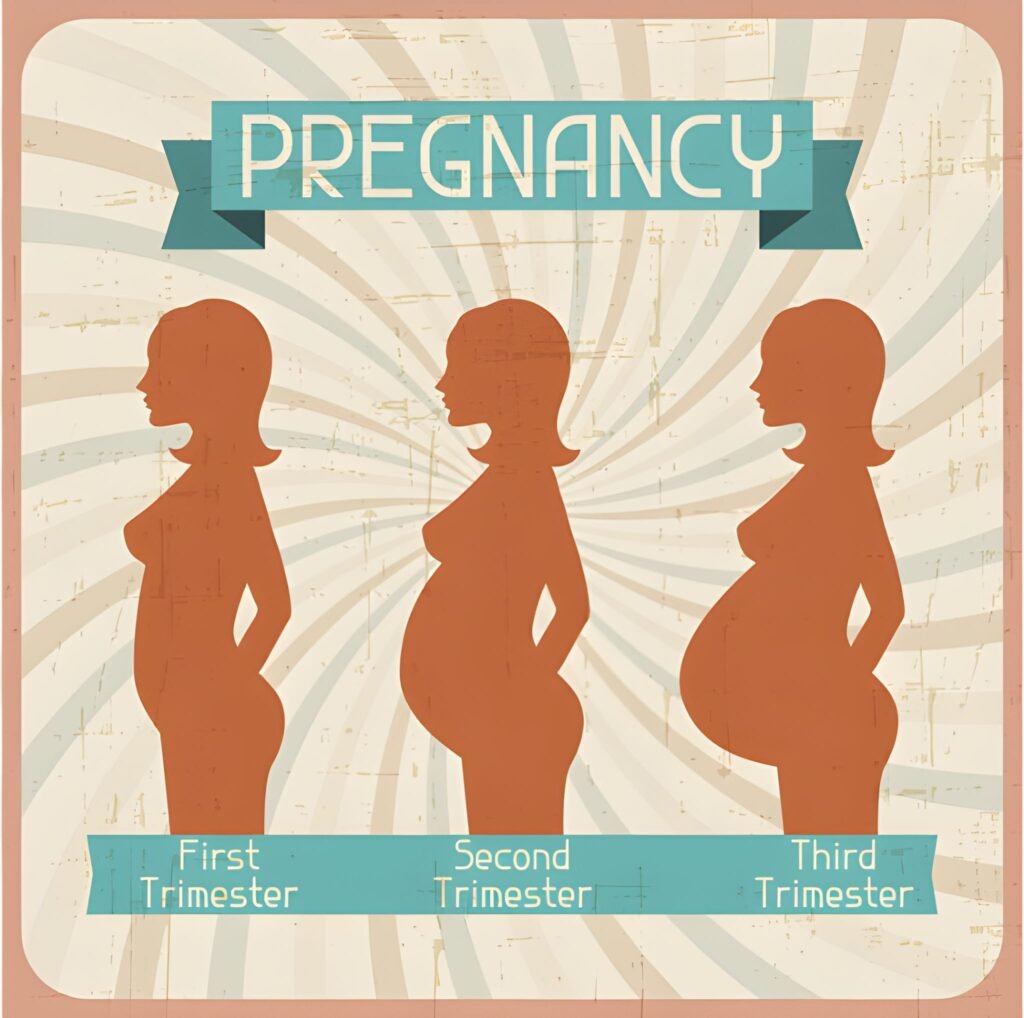
The first trimester is the foundational stage of pregnancy, spanning from the first day of the Last Menstrual Period (LMP) through the end of the 12th week. Despite the baby's microscopic size at the beginning, this period is characterized by the most rapid and crucial development of all major organ systems.
Embryonic Development and Organogenesis
During this phase, the fertilized egg transforms from a tiny blastocyst into an embryo, and subsequently graduates to a fetus by the 10th week. This period, known as **organogenesis**, establishes the blueprint for the entire body:
- Week 3–4: Implantation occurs, and the neural tube (forming the brain and spinal cord) begins to close.
- Week 5–6: The heart tube starts beating, and small limb buds appear. The cardiovascular system is established.
- Week 8–12: Fingers, toes, eyelids, and external genitalia are forming. The fetus is actively moving, although the movements are too faint for the mother to feel.
Maternal Symptoms and Early Care
Maternal symptoms during the first trimester are intense and primarily driven by the massive surge of the hormones hCG and progesterone.
| Common First Trimester Symptom | Hormonal Cause |
|---|---|
| Nausea and Vomiting (Morning Sickness) | Rapid rise of hCG hormone. |
| Profound Fatigue | High progesterone levels and massive energy expenditure for placental growth. |
| Breast Tenderness | Rising estrogen and progesterone preparing mammary tissue. |
| Frequent Urination | Increased blood volume and pressure from the enlarging uterus on the bladder. |
**Early Care Priority:** Initiating folic acid supplementation immediately is the most critical preventative health measure during the first trimester to support neural tube closure.
Second Trimester: The Growth Phase (Weeks 13–27)
The second trimester is often referred to as the "honeymoon period" of pregnancy. It spans from the beginning of the 13th week through the end of the 27th week. The intense hormonal symptoms of the first trimester usually subside, replaced by increased energy and noticeable physical changes.
Fetal Milestones: Quickening and Sensory Development
The fetus grows rapidly in size and weight, focusing on muscle and skeletal maturation rather than system formation.
- Quickening (Weeks 16–20): The mother typically feels the baby's first movements, described as flutters or bubbles. These movements grow stronger and more coordinated.
- Skeletal Maturation: Bone hardening continues. The fetus develops hair, fingernails, and fingerprints.
- Sensory Development: The hearing mechanism matures, allowing the baby to hear and respond to muffled sounds from the outside world, including the mother's voice. The baby's eyes begin to open around 25 weeks.
The Anatomy Scan: Structural Assurance
The centerpiece of the second trimester is the **20-week anatomy scan** (Weeks 18–22). This comprehensive, diagnostic ultrasound meticulously checks the structural integrity of every major organ, including the four chambers of the heart, the brain, spine, kidneys, and limbs. It also confirms placental placement and accurate fetal size, providing vital reassurance and detecting major congenital anomalies.
Maternal Physical Changes
Physical discomforts in this stage are mechanical, related to the expanding uterus and shifting center of gravity.
- Round Ligament Pain: Sharp or dull pain on the sides of the abdomen caused by the stretching of the ligaments supporting the uterus.
- Linea Nigra: A dark line of pigmentation often appears running down the center of the abdomen.
- Gestational Diabetes Screening: The Glucose Tolerance Test (GTT) is routinely performed between 24 and 28 weeks.
Third Trimester: Maturation and Readiness (Weeks 28–40+)
The final stage of pregnancy spans from the beginning of the 28th week until delivery. The focus shifts entirely to fetal maturation—gaining weight, preparing the lungs, and fine-tuning the nervous system for life outside the womb.
Final Fetal Growth and Pulmonary Maturity
The baby gains the majority of its final weight during the third trimester, accumulating fat deposits that provide necessary insulation and energy reserves.
- Lung Maturation: The lungs significantly increase production of **surfactant**, the substance essential for preventing the air sacs from collapsing when the baby takes its first breath.
- Brain Development: The brain undergoes rapid growth and folding, preparing for advanced function.
- Positioning: The baby typically settles into a head-down position in the final weeks, preparing for labor.
Late Pregnancy Symptoms and Warning Signs (Interactive)
Discomforts escalate in the third trimester due to the sheer size of the baby and increased physical strain.
Braxton Hicks (practice) contractions become frequent. These are irregular, generally painless tightenings of the uterus. Differentiating them from true labor is important; true labor contractions grow stronger, longer, and closer together, regardless of position change. Fatigue returns due to carrying the heavy weight and disrupted sleep.
Daily fetal kick counts begin now, establishing a baseline for the baby's activity. Any noticeable reduction in movement requires immediate clinical consultation. Vigilance for signs of preeclampsia (severe, unrelenting headache, sudden swelling, pain below the ribs) is also highest in this trimester.
Clinical Milestones Summary: Weekly Care Increase
Prenatal care appointments increase in frequency across the stages to accommodate rising diagnostic and risk-assessment needs.
Summary of Care and Risk
| Trimester | Duration (Weeks) | Appointment Frequency | Highest Risk Factor |
|---|---|---|---|
| First | 1–12 | Monthly (after confirmation) | Miscarriage (Chromosomal Issues) |
| Second | 13–27 | Monthly (or every 4 weeks) | Gestational Diabetes, Anatomical Anomalies |
| Third | 28–40+ | Bi-weekly, then Weekly (after Week 36) | Preeclampsia, Preterm Labor, Fetal Growth Issues |
Stage-Specific Health Risks and Prevention
Each stage presents unique health challenges that require specific preventative measures.
Addressing Major Health Concerns Proactively
- First Trimester: Prevent neural tube defects by maintaining **400 mcg of folic acid** supplementation daily. Avoid all potential teratogens (alcohol, tobacco, high-dose retinol).
- Second Trimester: Manage blood pressure and blood sugar. Screen for gestational diabetes. Focus on stabilizing the core muscles with gentle exercise to prevent later back pain.
- Third Trimester: Prepare for emergency situations. Understand the signs of preterm labor (contractions before 37 weeks) and preeclampsia. Ensure the hospital bag is ready and communication plans for delivery are in place.
Socioeconomic Planning Across Stages
Navigating the three stages involves continuous financial and logistical planning, particularly for U.S. families navigating complex parental leave and healthcare systems.
Maternity Leave and Financial Stability
Maternity leave planning should begin in the second trimester. Understanding job protection under the Family and Medical Leave Act (FMLA) and verifying paid leave benefits are crucial. Many women find it necessary to reduce working hours in the third trimester due to physical discomfort and frequent appointments, which can impact family income. Proactive financial and logistical planning helps mitigate stress during the high-demand periods of the first and third trimesters.
Access to Nutritional and Diagnostic Resources
The third trimester often requires more frequent, and sometimes more specialized, diagnostic checks (growth scans, non-stress tests). For low-income and uninsured mothers, utilizing government-funded resources like **WIC (Women, Infants, and Children)** for nutritional support and securing referrals to Federally Qualified Health Centers (FQHCs) ensures access to high-quality prenatal diagnostics, stabilizing the outcome for both mother and baby during the final, high-risk stage.