The Week of Ovulation and Fertilization
The Third Week of Pregnancy: The Moment of Conception, Fertilization, and Cellular Beginnings
Table of Contents
Week 3: The Defining Biological Event
The third week of pregnancy (counted from the first day of the last menstrual period, or LMP) is the week where, for most individuals with regular cycles, **conception actually takes place**. While Weeks 1 and 2 cover menstruation and pre-ovulation preparation, Week 3 is dedicated entirely to the pivotal events of ovulation and subsequent fertilization.
Ovulation: The Release of the Egg
Around Day 14 of a typical 28-day cycle, a surge of Luteinizing Hormone (LH) triggers the rupture of the dominant follicle on the ovary. The egg is released into the fallopian tube, where it has a short window—typically 12 to 24 hours—to be fertilized by sperm. If successful intercourse occurred in the days leading up to ovulation, the sperm are already waiting in the tube, maximizing the chance of fertilization.
Dating Key: At the end of Week 3, if fertilization has occurred, the pregnancy is biologically **only about 7 days old**. Clinically, however, you are considered 3 weeks pregnant. This difference is vital for understanding your Estimated Due Date (EDD).
The Cellular Journey: From Ovulation to Blastocyst
The days following fertilization are a time of rapid, complex, and autonomous cellular division. The process moves quickly, turning the single fertilized egg into an implantation-ready structure.
Fertilization and Division Timeline
- Day 1 Post-Ovulation: Fertilization. The sperm and egg fuse, forming a single cell called a **zygote**. The genetic blueprint of the baby—including sex—is determined instantly.
- Days 2–3: Cleavage. The zygote travels down the fallopian tube, rapidly dividing into 2, 4, then 8 cells. The entire structure remains encapsulated in its protective shell (zona pellucida).
- Day 4: Morula. The ball of cells tightens into a solid structure known as the **morula**.
- Days 5–7: Blastocyst Formation. The morula develops a fluid-filled cavity, officially transforming into a **blastocyst**. This structure is composed of two distinct cell groups: the inner cell mass (which will become the baby) and the trophoblast (which will form the placenta).
By the end of Week 3, the blastocyst is preparing to exit the fallopian tube and enter the uterine cavity, where it will spend several days orienting itself before attempting implantation.
Interactive: Stages of Early Cellular Division
Visualize the microscopic transformation that takes place during Week 3. Click on each stage to see the corresponding name and development point.
The Maternal Body: Hormonal Readiness
While fertilization occurs externally, the maternal body has been working intensely to create the perfect environment for this microscopic event.
The Corpus Luteum and Progesterone
Once the egg is released, the remnants of the follicle transform into the **corpus luteum**. This structure immediately begins producing high levels of the hormone **progesterone**. Progesterone's function is to maintain the uterine lining, creating the thick, nutrient-rich endometrium essential for implantation in Week 4. This hormone also causes the subtle elevation in Basal Body Temperature (BBT) often noted during the luteal phase.
Physical State: During Week 3, the body is officially in the **luteal phase**. The physical signs you feel—like mild breast tenderness or slight bloating—are caused by this surge of progesterone, not by the developing blastocyst.
Symptoms vs. Reality: No True Pregnancy Signs Yet
It is physiologically impossible to feel "pregnancy symptoms" during Week 3 because the body has not yet received the hormonal signal that pregnancy has occurred. That signal is **Human Chorionic Gonadotropin (HCG)**, and HCG is not released until the blastocyst implants into the uterine wall, which occurs in Week 4.
The Symptom Paradox at 3 Weeks
Any perceived symptom—be it subtle cramping, breast sensitivity, or fatigue—is a **Progesterone Effect** and identical to premenstrual syndrome (PMS). The embryo is too small and too far removed from the maternal circulatory system to generate any physical sensation or hormonal change beyond the normal cycle. Trust the scientific timeline: true symptoms begin after implantation.
The Impact of Preconception Health Decisions
The health decisions made in the months leading up to Week 3 are now maximally impactful. The genetic material of the egg and sperm, the quality of the uterine lining, and the cellular environment of the blastocyst are all influenced by maternal nutritional status and toxin exposure.
Folic Acid and Organogenesis
Week 3 is the perfect time to affirm your adherence to preconception protocols, particularly the consistent intake of **Folic Acid (400 mcg daily)**. Though major organ formation starts later in Week 5, the genetic blueprint is being finalized now. Folic Acid ensures the earliest cellular development happens within the most nutrient-rich environment possible.
| Area of Impact | Critical Timing | Consequence of Deficiency |
|---|---|---|
| Neural Tube Development | Weeks 4–6 | Spina Bifida or Anencephaly (Folic Acid) |
| Cellular Division/Differentiation | Weeks 3–4 | Failure of Blastocyst Formation |
| Blood Volume Expansion | Ongoing (Starts Week 1) | Maternal Anemia (Iron) |
Dating Clarity: Conception Age vs. Gestational Age
Confusion often arises when discussing how pregnant someone is at Week 3. It is essential to use consistent terminology:
- Gestational Age: The medical standard, calculated from the LMP. At the end of Week 3, you are **3 weeks pregnant**.
- Conceptual Age: The actual time since fertilization. At the end of Week 3, the embryo is approximately **1 week old**.
This discrepancy is why the Estimated Due Date (EDD) is calculated as 40 weeks from the LMP, integrating those two pre-conception weeks into the timeline.
Critical Health Focus for the Next Week
Since the critical event of implantation is imminent in Week 4, the focus during Week 3 is preparation and patience. Assume fertilization has successfully occurred and maintain the lifestyle that supports it:
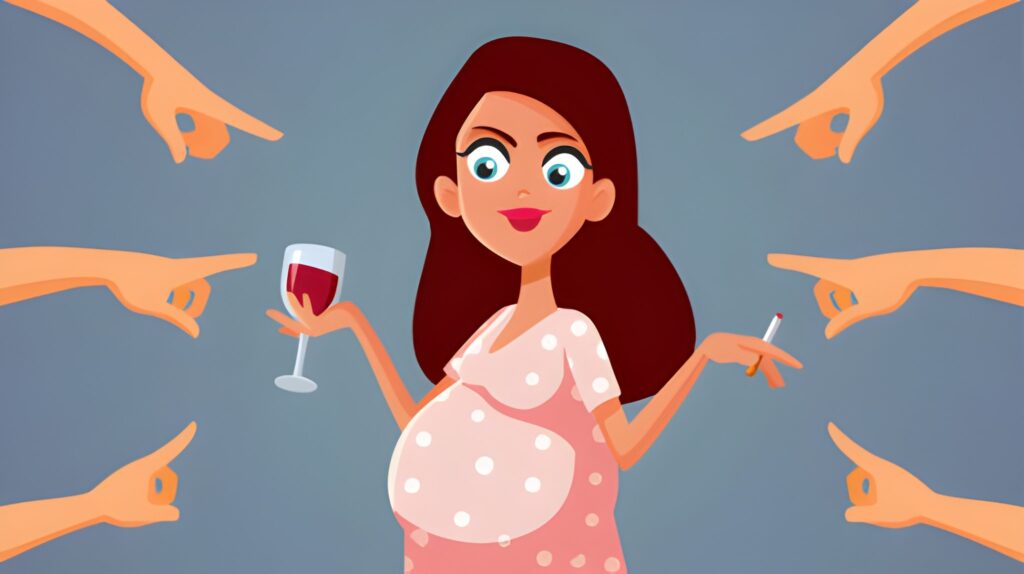
- Avoid Toxin Exposure: Maintain strict abstinence from alcohol, tobacco, and non-prescribed drugs.
- Hydration: Ensure optimal water intake to support increasing blood volume and healthy progesterone levels.
- Wait to Test: Do not attempt a home pregnancy test yet. The earliest possible detection is Week 4 (8 DPO), but accurate testing is Week 5 (14 DPO). Early testing will only result in a misleading negative.
Week 3 is the quiet miracle—a microscopic process of immense precision. Trust in the biological timeline and focus on maintaining the healthy environment required for the blastocyst to find its home in the week ahead.