3 Weeks Pregnant: Conception, Implantation, and the Microscopic Start of Life
A guide to the most vital week of development, before the first missed period.
Article Roadmap
Conception Milestone: Fertilization and the Zygote
In the standardized 40-week clinical dating system, Week 3 is the week **conception occurs**. The egg, released from the ovary around the end of Week 2, travels into the fallopian tube. It is here that it encounters sperm, and fertilization takes place, marking the true biological start of the pregnancy.
The Moment of Genetic Determination
When a single sperm successfully penetrates the egg, the combined single cell is called a **zygote**. At this moment, the entire genetic makeup of the baby is established:
- The zygote contains a full set of 46 chromosomes (23 from the sperm, 23 from the egg).
- The baby's sex, eye color, hair color, and basic physical traits are determined instantly.
Size and Appearance
At this stage, the developing baby is microscopic, measuring only about **0.0019 inches (0.048 mm)** long—roughly the size of a grain of salt or a pinhead. It remains too small to be felt or seen on any routine ultrasound scan.
The Cellular Journey to Implantation: Zygote to Blastocyst
Immediately after fertilization, the zygote begins a remarkable and intense five- to seven-day journey toward the uterus, undergoing rapid cell division known as cleavage.
Morula and Cellular Specialization
The zygote divides into 2 cells, 4 cells, then 8 cells, and by approximately 3 days after fertilization, it forms a dense ball of 16 cells called the **morula**. Crucially, as the morula reaches the uterus, it transforms into a fluid-filled sphere called the **blastocyst**.
The Two Fates of the Blastocyst
The blastocyst consists of two distinct layers of cells, already specialized for their eventual roles:
- Inner Cell Mass: This small cluster of cells inside the sphere will become the **embryo** (the baby).
- Trophoblast: The outer layer of cells will burrow into the uterine lining (endometrium) to form the **placenta** and the amniotic sac.
Implantation: The Physical Start of Pregnancy
Implantation, the moment the blastocyst physically attaches to the uterine wall, typically begins at the end of Week 3 (around 6 days past conception) or early in Week 4. This event establishes the vital connection necessary for the baby to receive oxygen and nutrients from the mother's blood supply.
Hormonal Ignition: The Start of HCG Production
The successful implantation of the blastocyst immediately triggers the production of Human Chorionic Gonadotropin (hCG), the hormone that maintains the pregnancy.
The Placenta's Role
The outer layer of the blastocyst (the trophoblast, which becomes the placenta) begins releasing hCG into the bloodstream. This hormone acts as the definitive messenger:
- It signals the ovaries to stop releasing eggs.
- It maintains the production of progesterone, which is essential for keeping the uterine lining thick and preventing menstruation.
Why Home Testing is Still Too Early
While hCG production begins in Week 3, the levels are still extremely low. HPTs require the hormone to reach a concentration of typically 25 mIU/mL or higher to register a positive result. This level is rarely achieved until the first missed period, around Week 4 or Week 5.
Testing Certainty Timeline
A quantitative **blood test** can detect trace amounts of hCG (as low as 5 mIU/mL) by the end of Week 3. However, the most reliable time for an over-the-counter **urine test** is 14 days past ovulation (DPO), which corresponds to the start of clinical Week 5.
Symptoms: Implantation Bleeding and Bloat
The vast majority of women feel no discernible pregnancy symptoms at 3 weeks pregnant. Any symptoms that do occur are often non-specific and are caused by the surging progesterone that is present in every post-ovulatory cycle.
Possible Physical Changes
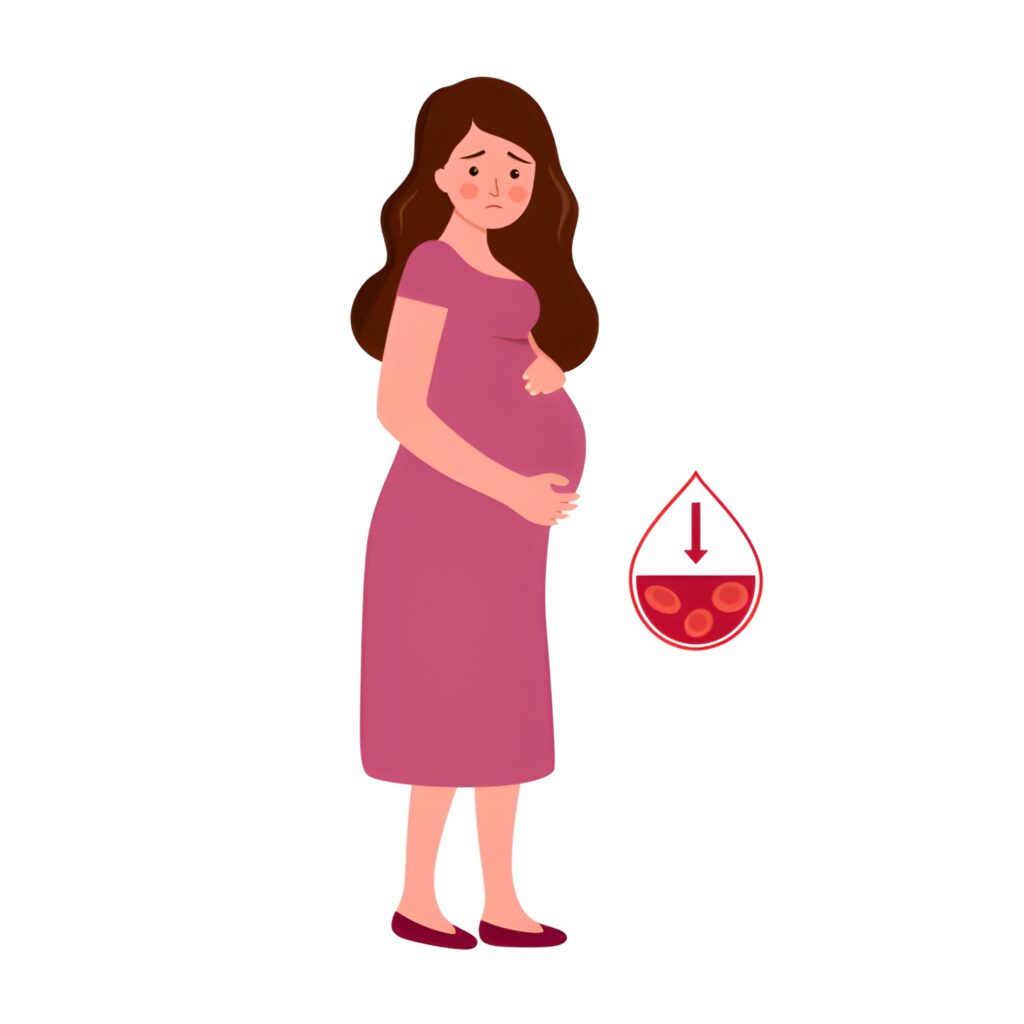
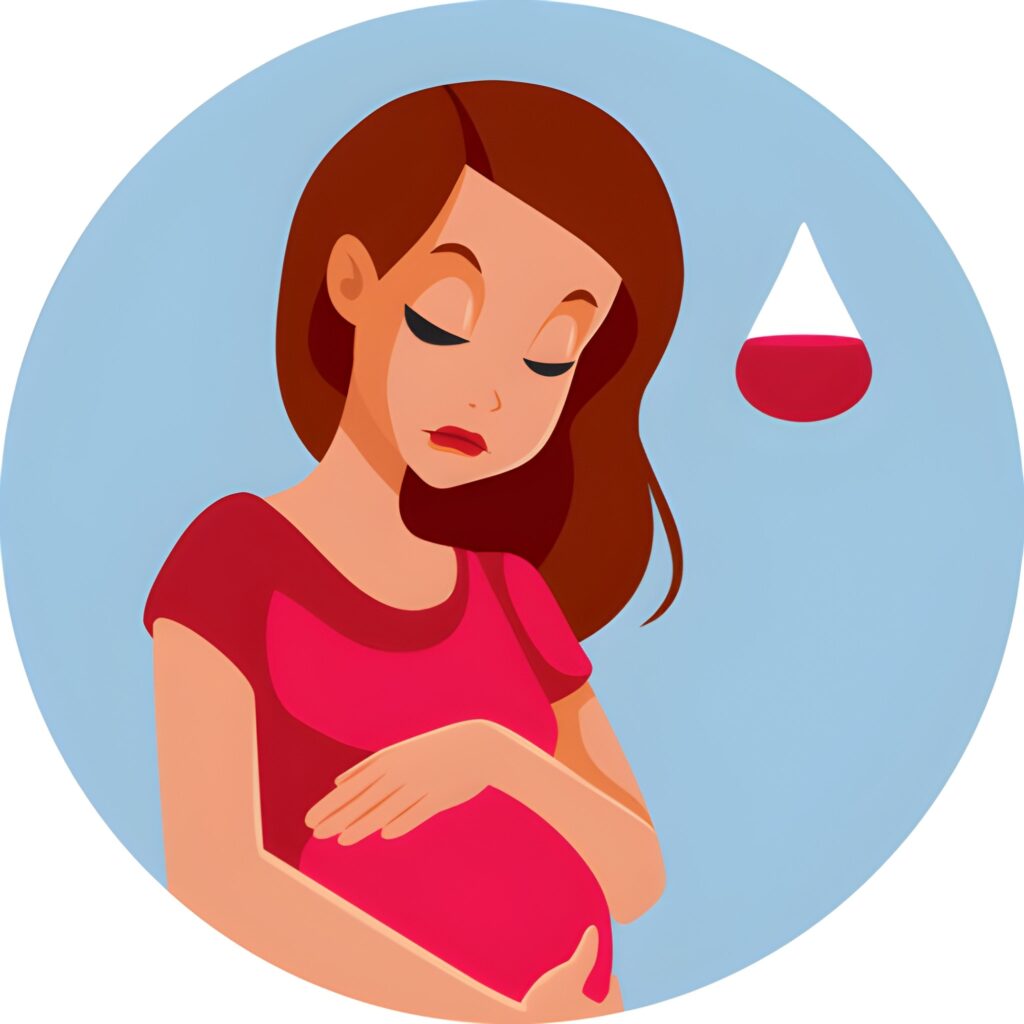
The only symptom directly linked to the biological event of pregnancy that might appear at this time is **implantation bleeding** or spotting.
- Implantation Bleeding: Occurs in approximately one-third of pregnant women. It is characterized by light spotting, pink or brown in color, lasting only one to two days, and should not contain clots or be heavy enough to require more than a panty liner.
- Bloating and Fatigue: These are common, ambiguous signs caused by the relaxing effect of progesterone on the digestive system and the central nervous system. They are indistinguishable from typical premenstrual syndrome (PMS).
When to Be Concerned About Bleeding
While light spotting is often benign, any bleeding accompanied by severe, localized pain (especially on one side of the abdomen) or heavy flow requires immediate medical attention to rule out complications like ectopic pregnancy or early loss.
Health Priority: Folic Acid and Lifestyle Foundations
Because Week 3 is the time the neural tube is forming, consistent, adequate maternal nutrition is the single most important preventative health measure.
The Folic Acid Mandate
All women who are pregnant or planning to become pregnant should be consuming **400 micrograms (mcg)** of folic acid daily. This vitamin is essential for the healthy closure of the neural tube, which is actively occurring right now. Since the risk window closes so early, folic acid supplementation should ideally begin at least one month prior to conception.
Lifestyle Commitments
Any consumption of alcohol, tobacco, or recreational drugs during this week is highly discouraged. Because the blastocyst is embedding and forming a circulatory link with the mother's blood supply, these substances can interfere with the critical process of organogenesis that follows in Week 4 and Week 5.
Testing Certainty and Early Care Access
Patience is the primary virtue during Week 3. The physical reality of the pregnancy is too small for verification.
Socioeconomic Factors in Supplementation
The cost of high-quality prenatal vitamins, including the necessary folic acid and DHA, can be a financial barrier for low-income families in the U.S. Resources like the **WIC (Women, Infants, and Children)** program often provide free or discounted prenatal vitamin and nutritional support, ensuring that this critical foundation for development is accessible to all mothers from the start of the reproductive journey.
The Waiting Game
The best course of action at 3 weeks pregnant is to act as if you are pregnant—continue healthy habits, take prenatal vitamins—and wait patiently until the first missed period (Week 5) to use an HPT. If you experience unusual pain or heavy bleeding, contact your healthcare provider immediately.