Hormone Rise vs. Detection Threshold
5 Days Post Implantation: Pregnancy Test Accuracy, HCG Rise, and When to Test for Certainty
Table of Contents
Timeline Clarity: DPO and Post-Implantation Days
The calculation of "days post implantation" is crucial because implantation—the event that triggers the pregnancy signal—occurs between 6 and 12 days past ovulation (DPO). If you are 5 days post implantation (DPI), you are likely between 11 DPO and 17 DPO on the full cycle calendar. This range explains why testing now can be ambiguous, though the probability of a true positive is rising rapidly.
The Minimum Hormonal Requirement
Successful implantation means the placenta's development has begun, initiating the release of Human Chorionic Gonadotropin (hCG). It takes approximately 48 hours for hCG to build up in the maternal bloodstream to be minimally detectable. Therefore, by 5 DPI, hCG has been doubling at least twice, pushing the levels closer to the threshold required for a home pregnancy test (HPT).
The HCG Doubling Science: The Detection Gap
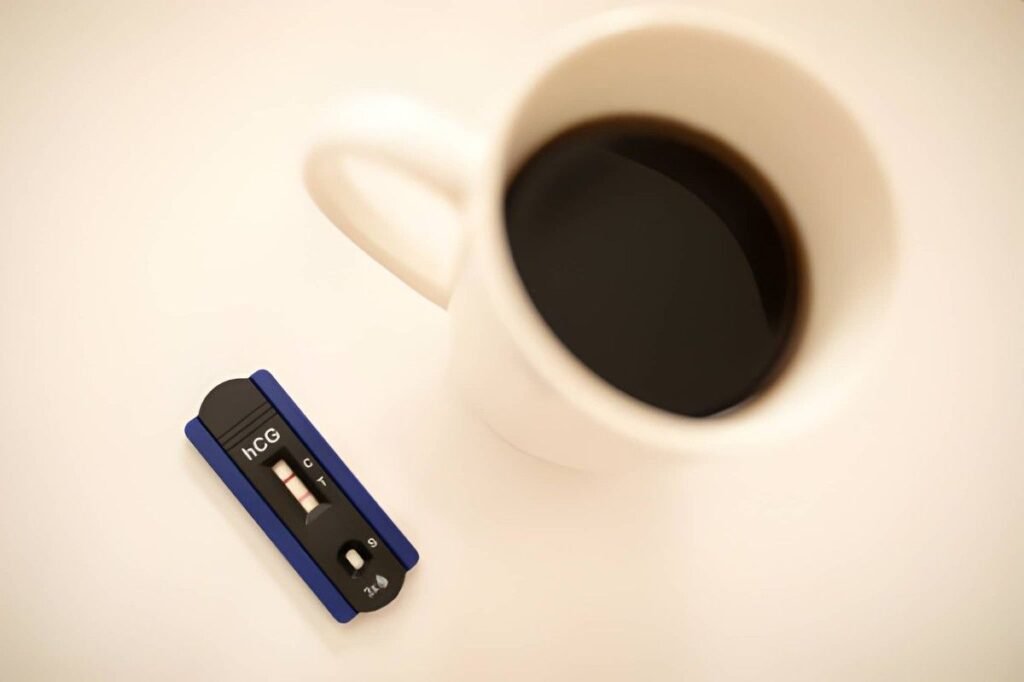
HPTs look for a minimum hCG threshold, typically 25 mIU/mL for standard tests, or as low as 6.5 mIU/mL for ultra-sensitive "early detection" brands. The key question at 5 DPI is whether the initial, post-implantation hCG level has doubled enough times to cross this threshold.
The Rule of Exponential Rise
In a healthy pregnancy, hCG levels double every 48 to 72 hours. If implantation occurred late—say, at 12 DPO—and the initial hCG level (at 1 DPI, or 13 DPO) was only 5 mIU/mL, the progression looks like this:
- 1 DPI (13 DPO): ~5 mIU/mL (Baseline)
- 3 DPI (15 DPO): ~10 to 15 mIU/mL (First Doubling)
- 5 DPI (17 DPO): ~20 to 30 mIU/mL (Second Doubling)
In this late-implantation scenario, testing at 5 DPI (17 DPO) may just barely register a faint positive on an ultra-sensitive test (20 mIU/mL) or show a false negative on a standard test (25 mIU/mL). The margin for error remains small, despite the progress made since implantation.
Interactive: HCG Doubling Time Calculator
Use this tool to see how much your hCG level could increase over the next 48 hours, illustrating why waiting is essential for certainty.
Calculate Future HCG Estimate
The High Likelihood of a False Negative
While the presence of hCG is virtually guaranteed at 5 DPI (since implantation occurred), a negative test remains a strong possibility. This happens because the urine concentration of the hormone lags significantly behind the blood concentration, especially early on.
Factors Contributing to a Negative Result
- Urine Concentration: If the test is taken later in the day or after drinking fluids, the hCG level may be too dilute to detect, even if the hormone is present in the bloodstream.
- Test Sensitivity: Using any test with a sensitivity threshold above 25 mIU/mL increases the chance of missing the pregnancy at this point.
- Individual Variability: Some women produce hCG faster than others, and implantation timing varies widely. These biological differences mean certainty requires more time.
Symptoms Now: What HCG is (and Isn't) Doing
By 5 DPI, symptoms are no longer solely attributed to progesterone; the rapidly rising hCG hormone begins to affect the body, though often subtly.
The Onset of True Pregnancy Symptoms
The shift from progesterone-induced symptoms (like simple breast tenderness and fatigue) to hCG-induced symptoms (like nausea and heightened sense of smell) begins now. HCG directly affects the neurochemistry of the body, often leading to:
- Nausea: Frequently begins as a mild queasy feeling, often triggered by hunger or specific odors.
- Heightened Smell: The world can suddenly smell more intense, a classic side effect of rising hCG and estrogen.
- Metallic Taste: A strange, metallic or "coppery" taste can develop in the mouth, often persisting throughout the day.
However, these symptoms are still highly subjective. The only objective measure remains the chemical detection of the hormone itself.
Optimizing Your Test for Accuracy
If you choose to test at 5 DPI (or slightly later), adhere to these strict protocols to maximize the chances of detection and minimize ambiguity:
- First Morning Urine (FMU): The most critical step. Urine is most concentrated overnight, offering the highest density of hCG.
- Use an Ultra-Sensitive Test: Use a brand advertising detection at 10 mIU/mL or less.
- Adhere to Time Limit: Read the test result exactly within the manufacturer’s window (e.g., 3-5 minutes). Do not read early, and do not read after the window to avoid evaporation lines.
The Definitive Retest Protocol
A positive test at 5 DPI requires immediate confirmation with retesting. A negative test mandates patience and a scheduled retest date.
The 48-Hour Wait for Certainty
If the test is Positive (Faint Line): Retest in 48 hours, using the same test brand and FMU. A darker line confirms a healthy doubling rate and a progressing pregnancy.
If the test is Negative: Wait a full 48 to 72 hours and retest. This time ensures the hormone level has performed its required doubling cycles, giving you the clearest possible answer before consulting a doctor for blood work.
Managing Anxiety and Resource Allocation
The intense need for certainty often leads to repeated testing, incurring both financial and emotional costs. Recognize that 5 DPI is a period of high hormonal drama and low diagnostic clarity.
For US audiences, buying multiple ultra-sensitive HPTs is expensive. A negative result followed by a positive later means the earlier tests were wasted. Conserve resources and emotional energy by committing to a retest schedule (e.g., 3 DPI, 5 DPI, 7 DPI—or whatever sequence you choose—is highly wasteful). Focus on maintaining the prenatal safety lifestyle (Folic Acid, toxin avoidance) and trusting the inevitable timeline of the body.
The presence of hCG is a gift, but the concentration takes time. Grant yourself the patience required to move from the early, ambiguous stage of hormonal rise to the clear, definitive stage of confirmed pregnancy.