Accuracy Threshold at 19 DPO: High Certainty
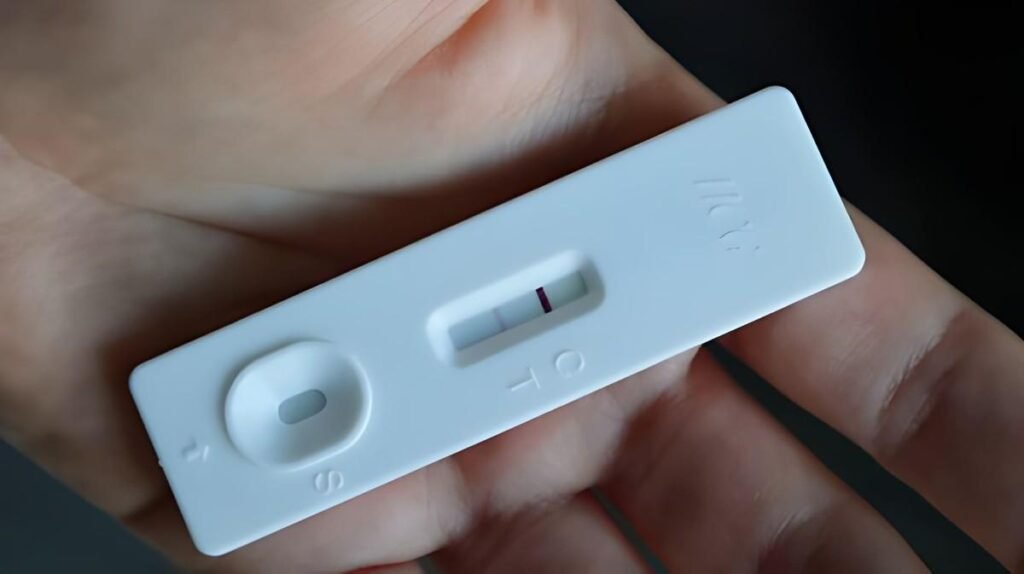
Five days past your expected menstrual period places you at approximately 19 days past ovulation (19 DPO). At this point, the accuracy of a negative result from a quality home pregnancy test (HPT) is extremely high, often cited as **over 99 percent**. The period of greatest anxiety—the possibility of a false negative due to testing too early—is largely over.
The Implantation Timeline Constraint
The pregnancy hormone, Human Chorionic Gonadotropin (hCG), is only produced after the fertilized egg successfully implants into the uterine wall. Implantation occurs, at the latest, around 12 DPO. By 19 DPO, any viable, healthily developing pregnancy would have had over a week of exponential hCG doubling. This level would be far above the 25 mIU/mL sensitivity threshold of standard HPTs.
Clinical Definition of Delay
A period is typically considered officially "late" when it has not arrived within 5 days of the expected date. By 19 DPO, you are entering the zone where medical investigation into the cause of the *delay* becomes more relevant than simply retesting for pregnancy.
Reasons for a Potential (Extremely Rare) False Negative
Although highly improbable, a negative test could still be a false negative only if one or more unusual variables are in play:
Late Implantation or Slow hCG Rise
The only biological reason for a false negative at 19 DPO is an **extremely delayed implantation** combined with an **unusually slow rate of initial hCG rise**. If implantation occurred on 13 DPO (an uncommon occurrence) and the hormone took the full 72 hours to double, the hCG levels might barely be crossing the 25 mIU/mL threshold at 19 DPO. This is the last biological window where a true false negative due to hormone level is possible.
Diluted Urine or Improper Test Technique
Using a test mid-day after drinking large quantities of fluid can dilute the urine, temporarily dropping the concentration of hCG below detection limits. Always use the first morning urine when hormone concentration is highest, and follow the manufacturer's precise timing instructions.
HCG Level Projection from Late Implantation
Assuming latest possible implantation (13 DPO) at 5 mIU/mL:
13 DPO: 5 mIU/mL
16 DPO (3 days later): ~14 mIU/mL
19 DPO (6 days later): **~39 mIU/mL**
Conclusion: Even with the latest biological timing, the hCG level should be detectable by any standard test by 19 DPO.
Reasons for an Accurate Negative: Delayed Period
Given the high certainty of the negative result, the delay in menstruation is most likely due to a fluctuation in the cycle, specifically an extended follicular phase that postponed ovulation. This is the physiological cause of the missed period.
Stress and Delayed Ovulation (HPO Axis Disruption)
The most common cause of a 5-day-late period is delayed ovulation. The Hypothalamic-Pituitary-Ovarian (HPO) axis, which governs the cycle, is highly sensitive to stress. Factors such as severe emotional strain, illness, major changes in diet, or intense exercise can trigger the release of cortisol, temporarily suppressing the signal to release the egg (ovulation). If ovulation was delayed by 5 days, you are currently only at 14 DPO, meaning your period is technically not late based on the actual date of hormone withdrawal.
Minor Hormonal Shifts
A slight variation in the corpus luteum's lifespan—the structure that produces progesterone post-ovulation—can sometimes delay the natural progesterone withdrawal by a day or two, causing the lining to shed later than the 14-day standard.
The Definitive Retesting Protocol: When to Confirm
If you received a negative result at 19 DPO and your period still has not arrived, the recommended final step is to wait a few more days before seeking medical intervention.
Wait Until 21 DPO (7 Days Late)
Allowing 48 to 72 hours (which brings you to 21 DPO, or 7 days late) provides the maximum possible time for hCG levels to rise, even in the most delayed scenarios. If the period has not arrived by Day 21 (and the test remains negative), the possibility of pregnancy is virtually eliminated, and the focus must shift to diagnosing the cause of the **secondary amenorrhea** (cycle absence).
Hormones: PMS Versus Early Pregnancy
At 19 DPO, the symptoms felt (bloating, fatigue, breast tenderness) are driven by the persistence of progesterone. Since this hormone is present in both the premenstrual phase and early pregnancy, relying on symptoms for differentiation is unreliable.
| Symptom | Luteal Phase (PMS/Delayed Period) | Early Pregnancy (Rare at 19 DPO Negative) |
|---|---|---|
| Nausea | Mild, often stress or diet related. | Persistent, sometimes escalating nausea or morning sickness. |
| Cramping | Dull ache, often centralized, typically stops once the period arrives. | Mild, localized stretching sensations; tends to be intermittent. |
| Breast Tenderness | Often resolves or lessens right before the period begins. | Persists or intensifies; visual changes (darkening areolas) may occur. |
When to Seek Clinical Investigation
If your period is delayed by **seven or more days (21 DPO or later)** and tests remain negative, contact your physician. Continued delay warrants a medical workup to ensure overall hormonal and reproductive health.
Urgent Warning Signs
While rare, persistent severe symptoms require immediate evaluation to rule out complications:
Seek medical care immediately if you experience:
- Severe, Sharp Pain: Unrelenting pain localized to one side of the lower abdomen (potential ectopic pregnancy).
- Dizziness or Fainting: Signs of significant internal fluid loss.
- Heavy Bleeding: Bleeding significantly heavier than your normal period, especially if passing large clots.
At the 5-day mark, the best action is to manage the next few days calmly. Trust the science of the test, and prepare to either celebrate a delayed positive or schedule a consultation to diagnose the cycle interruption.