Habit 1: Nutrient-Dense, Consistent Intake (Quality Over Quantity)
The single most important lifestyle choice is maintaining a pattern of consistent, high-quality nutrition. This goes beyond simply avoiding unsafe foods. It is about actively supplying the fetus with the necessary building blocks for rapid organogenesis and growth.
Focusing on Micronutrients
While the old adage suggests "eating for two," the caloric need increases only modestly (around 300 to 450 additional calories per day in the second and third trimesters). The true demand is for micronutrients. Focus on iron, calcium, Vitamin D, iodine, and choline.
The Iron and Folate Mandate
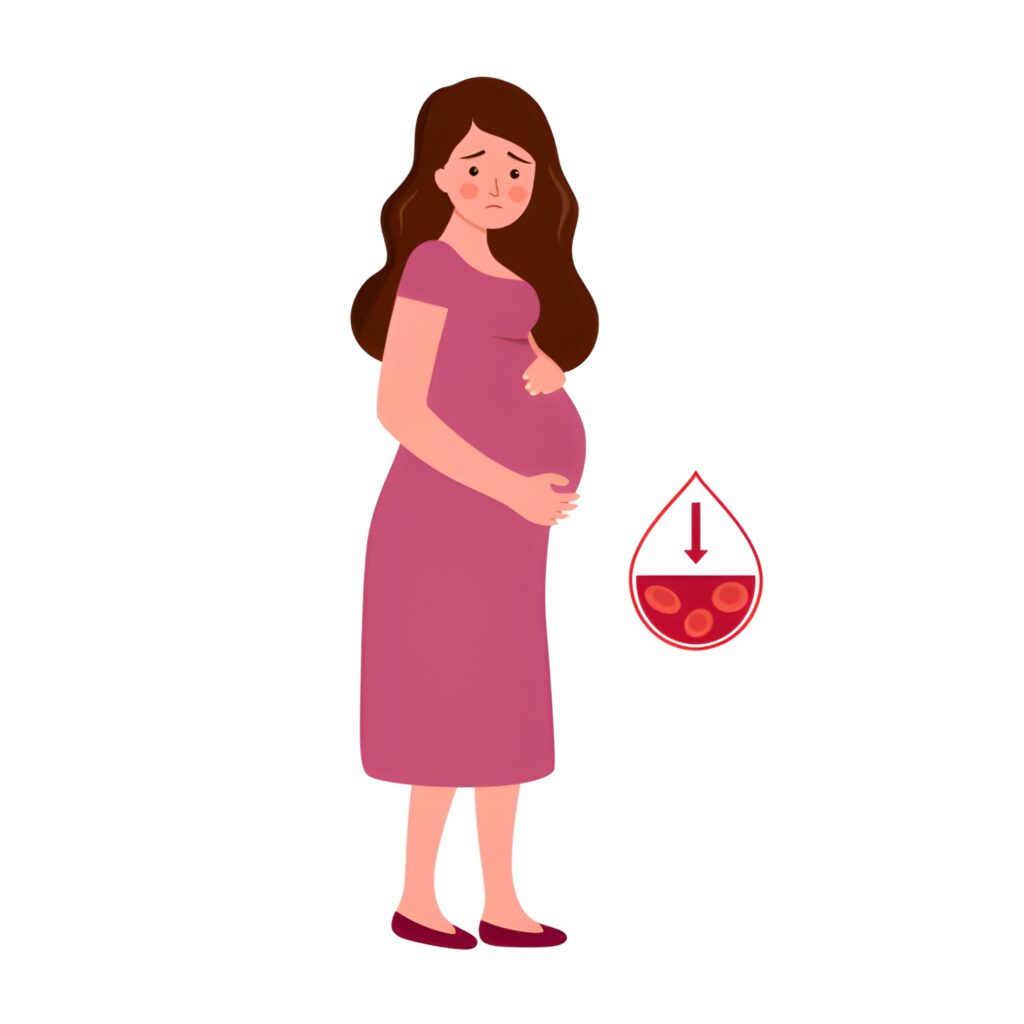
Iron intake prevents maternal anemia, which is common due to the rapid increase in maternal blood volume. Folate (or folic acid) is crucial in the first trimester (often before pregnancy is confirmed) for preventing neural tube defects. Consistent consumption of leafy greens, lentils, and fortified grains, supplemented by a prenatal vitamin, is non-negotiable.
Dietary Calculation for Protein
Protein intake supports fetal tissue growth and maternal blood volume expansion. The average non-pregnant need is about 0.8 grams per kilogram of body weight. During pregnancy, this increases to roughly **1.1 grams per kilogram** per day. For a 150-pound woman (68 kg), this means increasing protein intake from about 55 grams to 75 grams daily.
Habit 2: Targeted, Moderate Movement
Maintaining physical activity improves circulation, manages healthy weight gain, enhances mood, and prepares the musculoskeletal system for labor and recovery. Pregnancy is not the time to initiate intense, high-impact training, but it is essential to remain active.
Cardiovascular and Strength Balance
Aim for **150 minutes of moderate-intensity aerobic activity** per week. Activities like brisk walking, swimming, and prenatal yoga are ideal. Strength training should be modified to avoid lying flat on the back (after the first trimester) and to prevent excessive strain on the core, especially the connective tissue compromised by relaxin.
Pelvic Floor and Core Awareness
A proactive habit is integrating gentle pelvic floor and deep core exercises. Strong pelvic floor muscles support the growing weight, improve bladder control, and aid in delivery and postpartum healing. Consult a physical therapist specializing in perinatal care for guidance on safe core stabilization techniques.
Habit 3: The Sleep and Rest Mandate
Pregnancy is physically taxing, particularly in the first trimester (due to hormone production and placenta building) and the third trimester (due to physical discomfort and increased fetal size). Quality rest is a physiological necessity, not a luxury.
Prioritizing Sleep Position
Develop the habit of sleeping on your **side** (preferably the left) early in the second trimester. This position maximizes blood flow to the uterus, placenta, and kidneys by preventing the weight of the uterus from compressing the vena cava. Use body pillows or pregnancy wedges to maintain alignment and reduce back strain.
Managing Fatigue
The intense fatigue of the first trimester is your body’s signal to slow down. Honor this need by scheduling short naps or reducing non-essential commitments. Chronic sleep deprivation increases stress hormones and negatively impacts immune function.
Habit 4: Proactive Hydration (Water as a Nutrient)
Hydration is more critical during pregnancy due to the significant expansion of blood volume (which increases by up to 50 percent) and the need to transport nutrients and waste efficiently. Dehydration is a common cause of uncomfortable third-trimester symptoms.
Benefits of Consistent Hydration
- Reduces Edema: Paradoxically, adequate water intake helps flush excess fluid and sodium, reducing swelling (edema) in the extremities.
- Prevents Constipation: Water keeps the digestive tract moving, counteracting the slowing effects of progesterone.
- Minimizes Braxton Hicks: Dehydration is a leading trigger for frequent, strong Braxton Hicks (practice) contractions.
- Supports Amniotic Fluid: Adequate fluid intake helps maintain healthy amniotic fluid volume, particularly in the later weeks.
While the exact amount varies, a general guideline is to consume **8 to 12 glasses (64 to 96 ounces)** of water or non-caffeinated, non-sugary fluid daily. If exercising or experiencing severe heat, intake should be increased substantially.
Habit 5: Mental Health and Stress Management
The habit of consciously prioritizing mental and emotional health is paramount. Pregnancy is a period of heightened hormonal fluctuation and major life transition, increasing vulnerability to mood disorders.
PMADs Awareness and Screening
Establish a routine of mindfulness or stress-reduction practices (e.g., meditation, gentle yoga, journaling). Critically, be aware of the signs of Perinatal Mood and Anxiety Disorders (PMADs), which can begin during pregnancy. If feelings of anxiety, sadness, or detachment persist for more than two weeks, seek professional help immediately.
Toxic Exposure Avoidance
This habit extends beyond avoiding alcohol, tobacco, and recreational drugs to include avoiding unnecessary exposure to toxins in the environment. This means minimizing strong chemical cleaners (using adequate ventilation or switching to natural products) and avoiding cat litter cleanup due to the risk of toxoplasmosis.
Habit 6: Strict Adherence to Prenatal Visits and Protocols
The habit of attending all scheduled prenatal appointments and adhering strictly to medical advice ensures timely detection of serious complications.
Monitoring for Preeclampsia
Weekly blood pressure checks and urine screening for protein (performed at every visit) are critical for monitoring for preeclampsia, a serious hypertensive disorder. Consistent attendance allows your provider to establish a precise baseline and quickly identify deviations.
Fetal Surveillance and Kick Counting
In the third trimester, develop the daily habit of fetal kick counting (monitoring for **10 movements within a two-hour period**). This is the mother’s most reliable daily tool for assessing fetal well-being. Any decrease in movement requires an immediate call to the maternity unit—do not wait for the next scheduled appointment.
Long-Term Impact of Prenatal Habits
The six habits established during pregnancy are not temporary measures. They create a foundation that supports better outcomes in delivery, speeds postpartum recovery, and establishes lifelong health patterns for both mother and child. Consistency and dedication to these foundational habits are the most powerful actions an expectant mother can take.