Mid-Luteal Phase Analysis
7 DPO Pregnancy Symptoms: Signs in the Implantation Window and hCG Onset
Table of Contents
Biological Status: The Heart of the Implantation Window
Seven days past ovulation (7 DPO) is a significant moment because it falls directly into the most active phase of the **implantation window** (which spans 6 DPO to 12 DPO). At this point, the developing embryo, now a **blastocyst**, has adhered to the uterine lining and is actively beginning the process of burrowing and embedding itself into the nutrient-rich endometrium.
The physical act of implantation is what triggers the body to sustain the pregnancy chemically. Once the outer layer of the blastocyst (the trophoblast) invades the uterine wall, it initiates the production of **Human Chorionic Gonadotropin (hCG)**. At 7 DPO, hCG levels are just beginning their slow, critical rise, making this the earliest time when **physical signs directly related to pregnancy** may occur.
Symptom Differentiation: Progesterone vs. hCG
The central challenge at 7 DPO is distinguishing between non-predictive symptoms caused by the luteal phase hormone, **progesterone**, and the first true symptoms triggered by rising **hCG**.
Progesterone Dominance (Non-Predictive Symptoms)
The majority of feelings at 7 DPO are still due to progesterone, which is produced in high amounts by the corpus luteum every cycle. These common symptoms offer no reliable indication of pregnancy:
- Breast Tenderness/Soreness: Caused by progesterone stimulating mammary tissue.
- Fatigue: The sedative quality of progesterone is strongest in the mid-luteal phase.
- Bloating and Constipation: Progesterone relaxes smooth muscles, slowing the digestive process.
- Elevated Basal Body Temperature (BBT): Progesterone maintains the temperature rise that began after ovulation.
HCG Onset (Potentially Predictive Symptoms)
If implantation is successful, the following subtle symptoms may appear between 7 DPO and 10 DPO, driven by the beginning of hCG production or the physical act of embedding:
- Implantation Spotting: Light pink or brown discharge.
- Intense Olfactory Sensitivity: A profound and sudden aversion to specific smells.
- Metallic Taste (Dysgeusia): A strange, metallic or coppery taste in the mouth, often persisting after eating.
The First True Clues: Implantation Bleeding and Cramping
The two most specific physical signs of successful implantation often occur around 7 DPO, though only about 25 percent of pregnant women experience them.
Implantation Bleeding
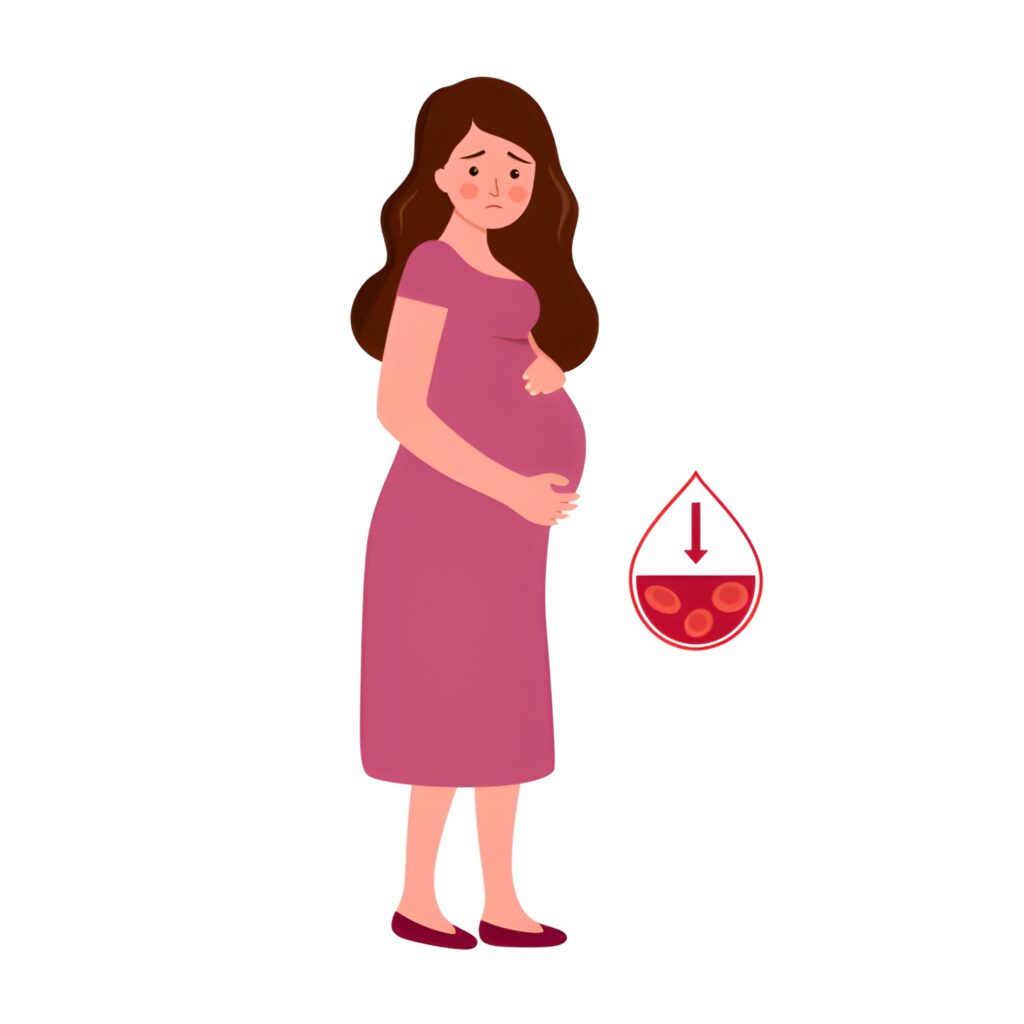
This is light spotting, typically pink, light red, or brown (old blood), caused by the blastocyst disrupting small blood vessels in the uterine wall. Key characteristics:
- It is much lighter than a period.
- It lasts only a few hours to one or two days, remaining intermittent.
- It often occurs precisely in the 7 DPO to 10 DPO window.
Implantation Cramping (Twinges)
Some individuals report a sensation of cramping or twinging near the moment of implantation. This is usually:
- A sharp, brief sensation, sometimes localized to one side of the lower abdomen.
- Not progressive (it does not worsen over time like menstrual cramps).
- Unlike the generalized ache of the luteal phase, these twinges are often described as fleeting and unusual.
Interactive: Analyze Your Week 3 Symptoms
Compare your symptoms against the source—is it the routine progesterone surge or a new hCG signal?
Symptoms Common to EVERY Luteal Phase (Non-Predictive at 7 DPO)
- Breast tenderness/heaviness
- Fatigue/Drowsiness
- Increased appetite
- Bloating/Gas
Symptoms Suggestive of IMPLANTATION (Potentially Predictive)
- Implantation Spotting (Light pink/brown, brief)
- Sharp, localized abdominal twinges (Implantation cramps)
- Profound, sudden metallic taste or intense smell aversion
- Sustained BBT rise past 14 DPO (Confirmation occurs days later)
Testing Timeline: Why a Test is Still Too Early
Despite the intense biological activity, a home pregnancy test taken at 7 DPO will almost certainly be negative.
HCG Levels and False Negatives
Even if implantation begins at 6 DPO, the hCG hormone must enter the bloodstream, travel to the kidneys, and accumulate in the urine to reach the detection threshold of a home test (usually 10 to 25 mIU/mL).
- At 7 DPO: Serum (blood) hCG is often still less than 5 mIU/mL.
- Test Result: Home tests are designed to be read as negative at this level.
- Risk: Testing now will likely result in a **false negative**, which can cause unnecessary emotional distress and lead to discontinuing protective lifestyle habits.
Health Focus: Maximizing Implantation Success
Seven DPO is a perfect time to focus on maternal health, ensuring the body has everything it needs to support the embedding embryo.
Lifestyle Musts for the Implantation Phase
- Continue Folic Acid: Ensure daily intake of a prenatal vitamin with at least 400 micrograms of folic acid. This is non-negotiable, as the neural tube is forming in the immediate weeks ahead.
- Avoid Toxins: Maintain strict abstinence from alcohol, tobacco, and unnecessary medications, treating the body as if pregnancy is already confirmed.
- Limit Strenuous Activity: While normal life is fine, avoid high-impact activity or heavy lifting that significantly increases intra-abdominal pressure.
- Manage Stress: The anxiety of the wait can cause stress hormones (cortisol) to suppress overall hormonal balance. Engage in relaxation techniques like gentle walking or mindfulness.
Conclusion: The Confidence of Patience
Seven DPO is the exciting intersection of biological possibility and clinical prematurity. While the earliest, most subtle signs of implantation may appear now, the majority of symptoms are driven by routine progesterone. The confident response to 7 DPO is not to test (which will likely yield a false negative), but to maintain optimal maternal health, observe any potential implantation signs calmly, and commit to waiting until 10 DPO at the absolute earliest, or 12 DPO for the most reliable home test result.