7 Weeks Pregnant: Fetal Growth, Heartbeat, and Managing Peak Symptoms
Entering a rapid phase of embryonic development and preparing for the first prenatal appointment.
Article Roadmap
Fetal Development: Size, Structure, and Brain Burst
At 7 weeks, the baby is still officially called an embryo, but it is in the midst of an intense growth spurt. This period marks the culmination of the most critical structural development of the first trimester. While still tiny, the embryo is rapidly moving toward a more recognizable human form.
Size and Physical Changes
The embryo measures about 9 mm to 10 mm long from crown to rump (CRL), roughly the size of a blueberry or grape. Key developments visible this week include:
- Head Prominence: The brain is growing faster than any other body part, giving the embryo a large forehead that dominates the physical appearance. An astonishing 100 new brain cells are forming every minute.
- Limb Buds: The arm and leg buds are distinct and lengthening, taking on a paddle-like appearance. Hands and feet are formed but remain webbed.
- Facial Features: Tiny dimples mark the location of the nostrils and ears. The mouth, tongue, and the beginnings of eyelids are forming, covering the developing eyes.
Embryonic Development Milestones
By the end of Week 7, the foundation for all major internal organs is established, including the stomach, lungs, and kidneys. The liver begins the crucial task of producing red blood cells until the bone marrow takes over later in pregnancy.
The Viable Heartbeat Milestone: A Sign of Health
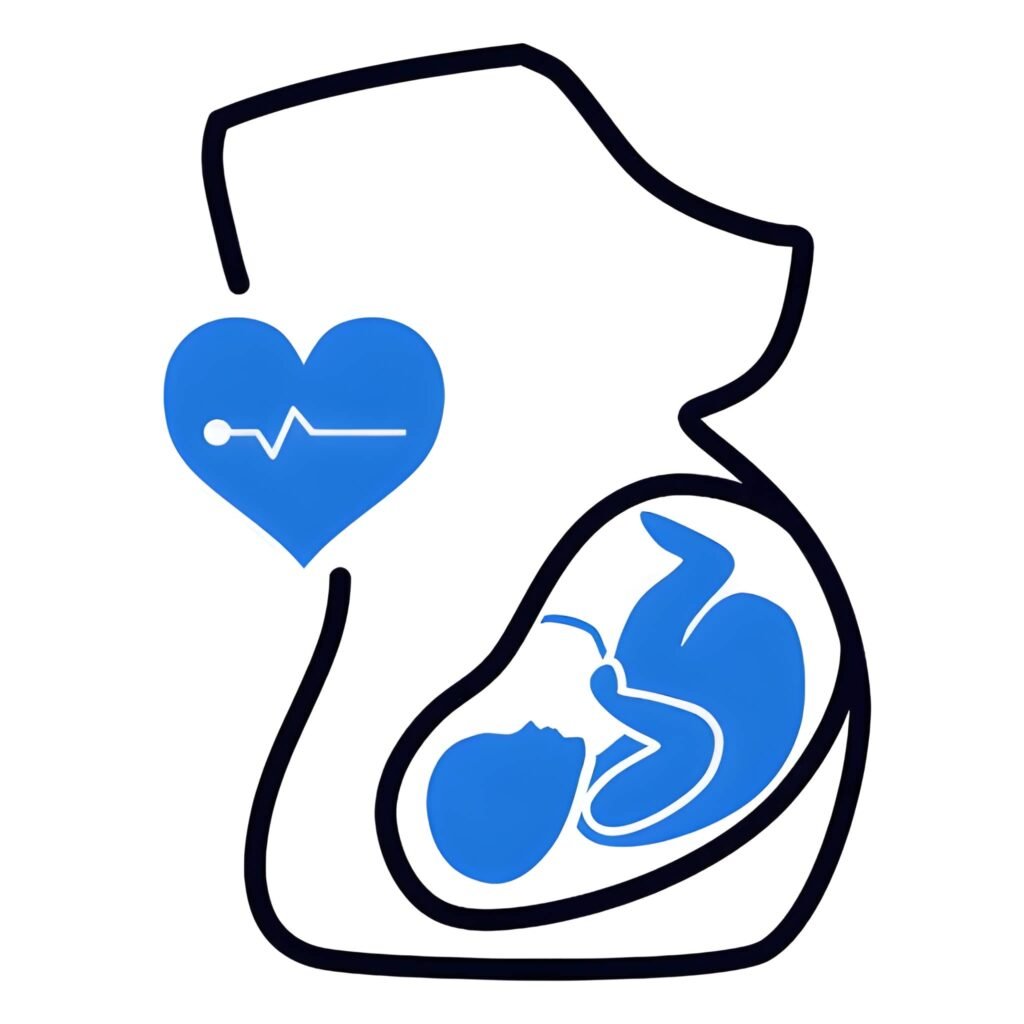
Seven weeks is a pivotal time for confirming the viability of the pregnancy. While cardiac activity often begins in Week 6, the heartbeat becomes clearer and more measurable at Week 7, especially during a transvaginal ultrasound.
Fetal Heart Rate (FHR)
The heart is rapidly developing its four chambers and is beating at a high rate to support the intense cellular growth.
| Gestational Age | Average Fetal Heart Rate (BPM) |
|---|---|
| Weeks 5 to 7 | 90 to 110 BPM (Starting slow and accelerating) |
| Week 9 (Peak) | 140 to 170 BPM (Peak rate) |
Significance of Heartbeat Detection
Detection of a strong, regular heartbeat at 7 weeks provides significant reassurance and greatly lowers the risk of subsequent miscarriage. During an early dating scan, the provider uses this measurement, along with the Crown-Rump Length (CRL), to accurately confirm the baby's gestational age and estimated due date.
Maternal Symptoms and Management: Peak Intensity
For many women, the symptoms of the first trimester reach their peak intensity around the 7th week, driven by the massive surge of Human Chorionic Gonadotropin (hCG) and progesterone.
Common Symptoms and Self-Care
- Nausea and Vomiting: Often relentless, occurring at any time of day. Management involves eating small, frequent, bland meals (crackers, toast), avoiding strong odors, and utilizing ginger or Vitamin B6 supplementation as advised by a physician.
- Profound Fatigue: The body is working overtime to build the placenta and maintain progesterone levels. Prioritize rest, even short daytime naps, and listen to the body's need to slow down.
- Increased Salivation and Sensitivity: A heightened sense of smell and a metallic taste in the mouth are common, often exacerbating nausea. Maintaining strict oral hygiene can help manage excess saliva.
Bleeding and Cramping (Interactive Guide)
While a small amount of spotting or mild cramping can be normal due to implantation completion or cervical sensitivity, any bleeding requires vigilance.
Yes, light pink or brown spotting is relatively common (occurring in up to 30% of pregnancies). Causes include old implantation bleeding, hormonal changes causing cervical fragility (especially after intercourse or a pelvic exam), or subchorionic hematomas (benign blood collections near the placenta). Any red, heavy bleeding or bleeding accompanied by severe pain requires immediate clinical assessment.
The Importance of Early Prenatal Care
Seven weeks is the time when most women schedule their first comprehensive prenatal visit or "booking appointment." This visit is essential for establishing the entire course of care and identifying any maternal risk factors.
Initial Clinical Procedures
- Dating Ultrasound: Often performed between 7 and 10 weeks to confirm the pregnancy location (ruling out ectopic pregnancy), establish viability (confirming heartbeat), and provide the most accurate estimated due date based on the embryo's CRL.
- Full Prenatal Panel: Extensive blood tests are drawn to determine blood type, Rh status, screen for anemia, check immunity to infections (e.g., Rubella), and test for infectious diseases (e.g., HIV, Hepatitis B, Syphilis).
- Lifestyle Counseling: The provider confirms consistent intake of 400 mcg of folic acid and cessation of alcohol, tobacco, and high-risk medications.
Urgent Warning Signs Checklist
While anxiety is normal in early pregnancy, recognizing signs of potential complications is vital for timely intervention.
Symptoms Requiring Immediate Attention
- Severe, Localized Pain: Sharp pain concentrated intensely on one side of the lower abdomen, which could indicate a possible ectopic pregnancy.
- Heavy Vaginal Bleeding: Bleeding that fills a pad in one hour or involves passing large clots, which could indicate a miscarriage.
- Severe Nausea/Dehydration: Inability to keep down food or fluids for over 24 hours, leading to dizziness or dark urine (a sign of severe dehydration or Hyperemesis Gravidarum).
- Fever: Any persistent high fever (over 100.4 degrees Fahrenheit or 38 degrees Celsius) without obvious cold symptoms, which could indicate an infection.
Socioeconomic Factors in Early Access
Securing the first prenatal appointment and the initial diagnostic tests by 7 weeks is sometimes challenging, particularly for patients navigating financial or systemic barriers in the U.S.
Timing and Financial Barriers
The cost of the initial extensive lab work (prenatal panel) and the early dating ultrasound can be substantial, especially for patients with high deductibles or limited insurance coverage. Delaying this visit past the 8 to 12-week window risks missing the most accurate time for dating and the optimal window for early genetic screening.
Utilizing Community Resources
Patients facing financial constraints should seek services through Federally Qualified Health Centers (FQHCs) or public health departments. These centers offer essential prenatal care, including the dating scan and the prenatal lab panel, often on a sliding-scale fee, ensuring access to necessary early diagnostics before minor issues escalate into major complications. Prioritizing this first vital visit at 7 weeks sets a secure foundation for the entire pregnancy.