The Seventh Month: Weeks 27-30 Fetal Growth and Third Trimester Shift
The seventh month of pregnancy marks the official beginning of the third trimester, spanning Weeks 27 through 30. This phase is defined by **accelerated weight gain** for the baby, **intensified clinical monitoring** for the mother, and a significant increase in physical discomfort. The baby has passed the threshold of viability and is now focused entirely on maturation—developing thermal regulation, refining the brain structure, and building fat reserves essential for life outside the womb.
As a specialist in child and mother health, I guide you through the key changes of this crucial month. Expect your prenatal appointment schedule to increase, and prepare to integrate new daily habits, such as meticulous fetal kick counting, as you move toward the final delivery preparations.
Table of Contents
1. Fetal Development: Rapid Maturation and Sensory Skills
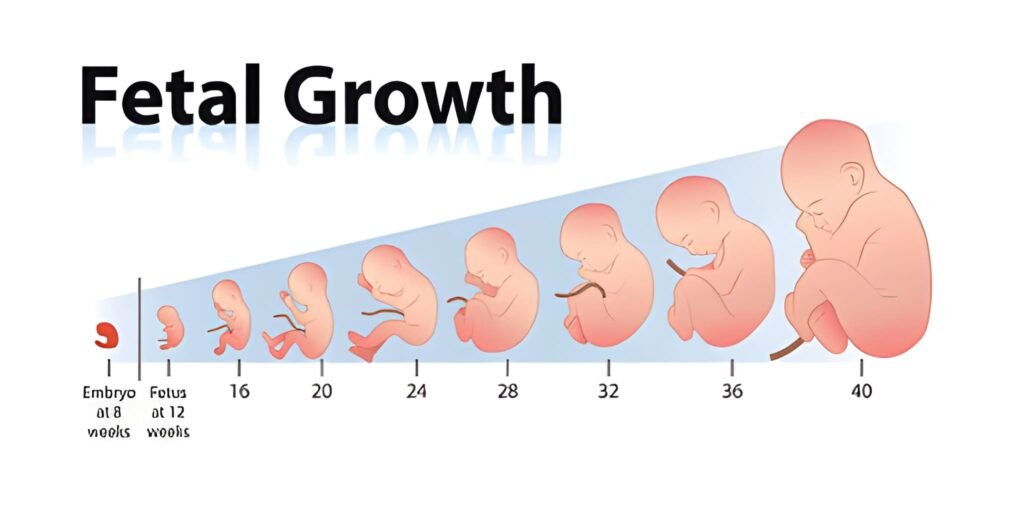
The baby's growth rate skyrockets during the seventh month. This weight gain serves two major purposes: providing insulation (fat) and building vital nutrient stores (calcium, iron) for the immediate postnatal period.
Fetal Metrics at the End of the Seventh Month (Week 30)
| Metric | Approximate Length (Crown-to-Heel) | Approximate Weight |
|---|---|---|
| End of Month (Week 30) | 15.7 inches (40 cm) | 3 pounds (1.4 kg) |
| Growth Rate | — | Gaining 0.5 pounds per week |
Key Sensory and Physiological Milestones
- Brain Maturation: The brain undergoes rapid structural development, creating the recognizable grooves (sulci and gyri). This development supports complex functions like coordinated movement and early sleep cycles (including REM sleep, suggesting dreaming).
- Thermal Regulation: The central nervous system is now mature enough to begin regulating the baby's body temperature. The rapidly accumulating fat stores aid this insulation process.
- Vision: The baby can open and close their eyes, and they can perceive bright light filtered through the mother's abdomen.
- Bone Marrow: Red blood cell production fully shifts to the bone marrow, signaling the maturation of the hematopoietic system.
2. Maternal Experience: Increased Discomfort and Fatigue
The immense growth of the uterus (now extending high up under the rib cage) and the relaxation of joints cause the return of discomforts that were often absent in the second trimester.
Managing Third Trimester Symptoms
The growing uterus presses on the sciatic nerve (sciatica), causing pain that radiates down the back of the leg. Pelvic pain occurs as the hormone relaxin loosens the joints in preparation for delivery. Relief comes from targeted prenatal stretches, warm compresses, and avoiding standing for long periods.
Sleep is disrupted by heartburn, leg cramps, and the need for frequent nighttime urination. Total maternal energy demand is peaking. Prioritize sleeping on your side (left side is preferred) with pillows for full body support.
The upward pressure of the uterus limits lung expansion, causing breathlessness. Hormonal relaxation of the esophageal sphincter leads to increased heartburn. Practice good posture and eat very small, frequent meals to minimize both symptoms.
3. Clinical Monitoring and Appointment Shift
The standard prenatal appointment schedule increases significantly in the seventh month to ensure close monitoring for late-stage complications.
Bi-Weekly Visits Begin
- Frequency: Appointments transition from monthly to **every two weeks** (bi-weekly) starting at Week 28 and continuing until Week 36.
- Routine Checks: Every visit includes monitoring blood pressure, checking urine for protein (preeclampsia risk), and measuring fundal height to track fetal growth.
- Tdap Vaccine: The **Tdap (whooping cough) vaccine** is recommended to be administered during this month (or in the upcoming weeks) to provide the baby with passive immunity before birth.
4. Mandatory Fetal Kick Counting
Fetal movement is the single most vital, immediate indicator of well-being available to the mother at home. Consistent monitoring is essential from 28 weeks onward.
The Fetal Movement Rule
Your provider will mandate daily fetal kick counts:
- Choose a time when the baby is usually active.
- Sit or lie down quietly, ideally on your left side.
- The goal is to feel **ten distinct movements** (kicks, rolls, jiggles) within a **two-hour period**.
Crucial Safety Protocol: If you notice a marked decrease in fetal movement, or if you fail to reach ten movements within the two-hour window, contact your labor and delivery unit immediately. Do not wait until the next day.
5. Managing Late-Stage Health Risks
The seventh month focuses on diagnosing and managing conditions that peak in the third trimester.
Clinical Screening and Intervention
- Gestational Diabetes (GDM): If not completed at 24 weeks, the Glucose Tolerance Test (GTT) is performed now. Strict management of blood sugar is critical to prevent fetal macrosomia.
- Rh Factor Management: If you are Rh-negative, the **RhoGAM** injection is administered around 28 weeks to prevent your body from forming antibodies against an Rh-positive fetus.
- Preeclampsia Awareness: The risk of this hypertensive disorder increases significantly. Report any sudden facial swelling, persistent headache, or visual changes to your provider immediately.
Nutrition Check: The baby's rapid growth demands extra Iron and Calcium. Ensure your diet and supplements are supporting the production of red blood cells and bone density to prevent maternal anemia and depletion.
The seventh month is a time of increased action, from your baby's movements to your prenatal schedule. By actively engaging in fetal monitoring and adhering to the safety guidelines for late-stage discomfort, you confidently manage the essential health requirements that lead to a safe, full-term delivery.