Fertility Timing and Hormone Detection
9 DPO and Negative: Analyzing Accuracy and the Critical Implantation Window
A negative pregnancy test result at 9 Days Past Ovulation (9 DPO) is common, expected, and statistically offers minimal certainty regarding pregnancy status. The reason is rooted in the biological necessity of implantation: 9 DPO is the median day for the fertilized egg to attach to the uterine wall. If implantation occurs today, the pregnancy hormone (hCG) will not be detectable for another 2 to 3 days. This detailed analysis clarifies the exact hormonal timetable, quantifies the significant probability of a false negative at this stage, and guides individuals toward a definitive, stress-free testing protocol.
Table of Contents
9 DPO: The Day of Implantation
9 DPO is the single most common day for the blastocyst to physically attach to the endometrium. This crucial biological event is the absolute precondition for a positive pregnancy test.
The Delayed HCG Release
The moment implantation completes, the developing placental tissue (trophoblast) begins to release Human Chorionic Gonadotropin (hCG) into the maternal bloodstream.
- HCG Half-Life: HCG levels need 2 to 3 days to accumulate sufficiently to be detected by the most sensitive home pregnancy tests (HPTs).
- The Lag: If implantation occurs exactly at 9 DPO, the earliest an HPT might detect the hormone is 11 DPO (a faint line), and more likely 12 DPO (a visible line).
Therefore, a negative test at 9 DPO means the body is simply too early in the process for the hormone to have entered the bloodstream and reached the urinary concentration required for detection.
The HCG Lag Time and Test Sensitivity
Even if implantation occurred early (6 DPO), HCG levels may still be too low at 9 DPO to register on a standard HPT, which often requires 25 mIU/mL or higher.
Interactive Tool: HCG Rise Projection
HCG Rise Estimator (Earliest Scenario)
Assume early implantation at 6 DPO (3 days ago). See the slow, initial HCG accumulation by 9 DPO.
Quantifying Accuracy: The Risk of False Negatives
Testing on 9 DPO yields a high rate of false negatives—a result that says "not pregnant" when, in fact, conception has occurred and the pregnancy is developing normally.
| Days Past Ovulation (DPO) | HPT Detection Rate (Approx.) | Risk of False Negative |
|---|---|---|
| 9 DPO (Today) | < 30 percent | High (Up to 70 percent chance of being wrong) |
| 12 DPO (Earliest Reliable) | > 80 percent | Moderate to Low |
| 14 DPO (Missed Period) | > 95 percent | Very Low |
The statistical data strongly advises against making any emotional or medical conclusions based on a negative test result at 9 DPO. The most common scenario is that the test is simply premature.
Symptom Interpretation at 9 DPO
Any physical sensation or perceived symptom felt at 9 DPO is most likely a continuation of the progesterone surge that occurs in every menstrual cycle after ovulation.
Progesterone vs. HCG-Driven Symptoms
- Progesterone Symptoms: Fatigue, breast fullness, bloating, and mild cramping are non-specific symptoms caused by the corpus luteum preparing the uterus. These should not be mistaken for "early pregnancy signs."
- HCG-Driven Symptoms: Nausea, vomiting, and hypersensitivity to smells (true morning sickness) are caused by high levels of hCG and typically do not begin until the hormone has risen significantly, usually after 14 DPO.
Setting the Reliable Testing Schedule
To ensure accuracy and reduce testing anxiety, adhere to a clinically sound waiting period.
The Definitive Testing Schedule
- Wait Period: Wait a minimum of 3 days from 9 DPO.
- Earliest Re-test: 12 DPO (or 3 days before the expected period). Testing on this day yields much higher accuracy, though a negative should still be followed up.
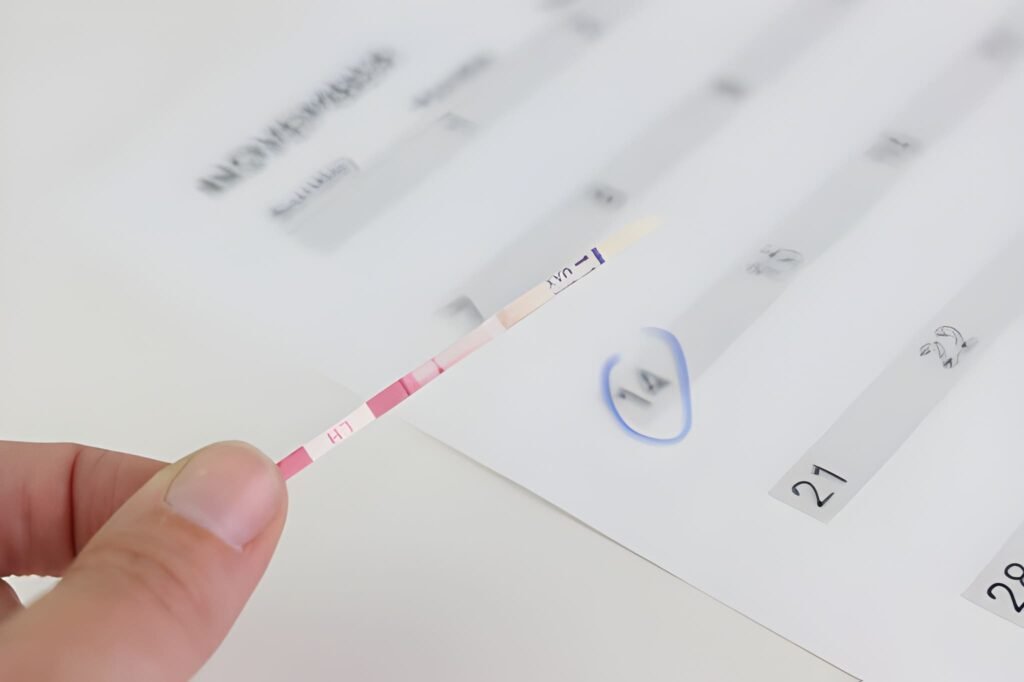
- Definitive Test Day: 14 DPO (the day the period is expected). If the test is negative on this day, the chance of pregnancy is extremely low.
- If Negative on 14 DPO: Wait 48 hours and retest using first morning urine to confirm the result.
A negative pregnancy test at 9 DPO is premature and provides little actionable data. By understanding that implantation is the necessary precursor to hormone detection, and by waiting until at least 12 DPO, you conserve resources and emotional energy, ensuring that the final test result is obtained with maximum confidence and certainty.