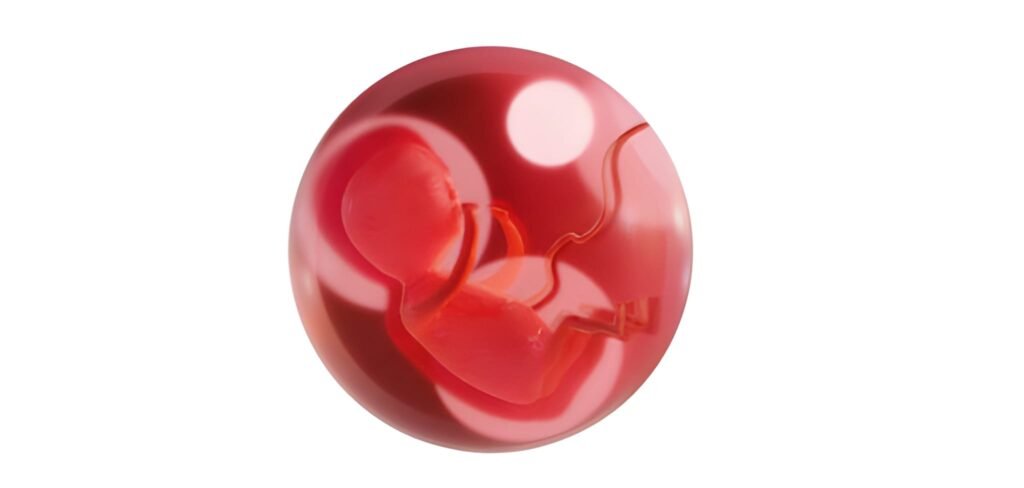
16 Weeks Pregnancy: The Flourishing Phase
Welcome to Week 16 of your pregnancy. This specific milestone often marks a psychological turning point for many parents. The acute anxieties of the first trimester usually begin to fade, replaced by the physical reality of a growing belly and the returning surge of energy. For the fetus, this week is a masterclass in coordination and sensory development. For you, it is often the most comfortable period of the entire forty-week journey. As a specialist, I encourage you to use this time to focus on establishing strong health foundations before the heavier physical load of the third trimester arrives.
Fetal Milestones: The Avocado Stage
At sixteen weeks, the fetus measures approximately 4.5 to 5 inches from crown to rump and weighs about 3.5 ounces. In visual terms, your baby is now roughly the size of a large avocado. While the head remains disproportionately large compared to the body, the limbs have lengthened, and the entire silhouette is becoming more refined and human-like.
The process of ossification is in full swing. Flexible cartilage is rapidly transforming into solid bone, particularly in the limbs and the skull.
The fetus is constantly somersaulting, stretching, and kicking. While these movements are purposeful, the cushion of amniotic fluid often prevents you from feeling them yet.
Tiny hair follicles are establishing their permanent patterns on the scalp. Though the hair itself may be sparse, the foundation is set.
Refined Coordination
One of the most remarkable developments this week is the nervous system’s increasing control over the muscles. The fetus can now make complex facial expressions, including squinting and frowning. The hands are functional enough to grasp the umbilical cord, and the legs are powerful enough to push against the uterine walls. This coordinated activity is essential for the healthy development of joints and muscle tissue.
Maternal Changes: The Visible Shift
By Week 16, the uterus has risen out of the pelvic basin and is positioned roughly halfway between the pubic bone and the navel. This shift often results in the famous pregnancy pop, where the abdomen takes on a firm, rounded appearance that is difficult to mistake for simple bloating.
Your blood volume has increased by nearly 50 percent compared to your pre-pregnancy state. This supports the placenta but also causes secondary effects like the pregnancy glow, as increased blood flow to the skin creates a brighter complexion.
This increase in blood volume is a physiological necessity, but it does place extra demand on the heart. You may notice your resting heart rate is slightly higher, or that you become winded more easily during physical exertion. This is normal, provided it is not accompanied by chest pain or severe dizziness. Your body is essentially performing the work of a high-performance athlete just by resting.
Managing Common Symptoms
While Week 16 is generally comfortable, the mechanical changes in your body can trigger specific discomforts. These are usually related to the softening of ligaments and the slowing of the digestive tract.
| Symptom | The Cause | Management Strategy |
|---|---|---|
| Round Ligament Pain | Stretching of the ligaments supporting the uterus. | Move slowly when standing; use a pregnancy support belt. |
| Nasal Congestion | Increased blood flow and estrogen swelling mucus membranes. | Use a saline spray; maintain high hydration. |
| Constipation | Progesterone slowing intestinal motility. | Increase fiber intake to 25g daily; gentle daily walking. |
| Backaches | Shift in center of gravity straining lumbar muscles. | Focus on posture; sleep with a pillow between your knees. |
The Fetal Sensory World
The sixteenth week marks the beginning of the fetus's engagement with the external environment. The ears have migrated from the neck to the sides of the head and are becoming functional. The fetus can now perceive the low-frequency sounds of your heartbeat, the rush of blood through your vessels, and even the muffled vibrations of your voice.
Furthermore, the eyes, though still fused shut, are becoming sensitive to light. If you were to shine a strong light on your abdomen, the fetus might move away from the brightness. This primitive light sensitivity is one of the earliest signs of the complex visual system’s development. The skin is also increasingly sensitive to touch, with receptors forming across the body, though the thick layer of vernix caseosa and lanugo hair currently protects the skin from the surrounding fluid.
Nutrition and Vitality
Since your energy has returned, now is the time to optimize your nutrient intake. The skeletal development of the fetus requires a steady supply of calcium and phosphorus, while your expanding blood volume demands significant iron stores.
Critical Nutrients for Week 16
- Iron: Aim for 27mg daily. Iron supports the production of hemoglobin for you and the baby. Include lean meats, lentils, and spinach paired with Vitamin C for absorption.
- Calcium: 1,000mg is the standard target. If you don't consume dairy, look to fortified nut milks, sardines, or kale.
- DHA (Omega-3): This is vital for fetal brain and eye development. If you avoid fish, consider an algae-based supplement.
- Hydration: Drink at least 8 to 10 glasses of water. This helps maintain amniotic fluid levels and reduces the risk of urinary tract infections.
Preparation and Planning
You are likely approaching your mid-pregnancy ultrasound, also known as the anatomy scan, which typically occurs between Weeks 18 and 22. Now is the time to prepare any questions for your provider regarding fetal growth or maternal health.
By Week 16, the external genitalia are usually developed enough to be seen on a high-quality ultrasound. If you are planning a gender reveal, the upcoming scan is your primary opportunity for confirmation.
It is also a prudent time to assess your work-life balance. As your belly grows, your physical limits will shift. Begin discussing maternity leave options or workplace accommodations if your job requires heavy lifting or long periods of standing. Early communication ensures a smoother transition for both you and your employer.
Frequently Asked Questions
For first-time mothers, it is common not to feel movement until Weeks 18 to 22. Factors like placental position (anterior placenta) can act as a muffler, delaying the sensation of "quickening." Trust that the baby is very active, even if you can't feel the kicks just yet.
Yes, for most low-risk pregnancies, exercise is highly beneficial. Focus on prenatal yoga, swimming, or walking. Avoid activities with a high risk of falling or contact. Always ensure you can maintain a conversation while exercising—if you are too breathless to speak, slow down.
This is almost certainly Round Ligament Pain. As your uterus grows, the ligaments stretch like rubber bands. A sudden sneeze or movement can cause them to snap taut, resulting in a sharp, brief pain. It is harmless but uncomfortable.