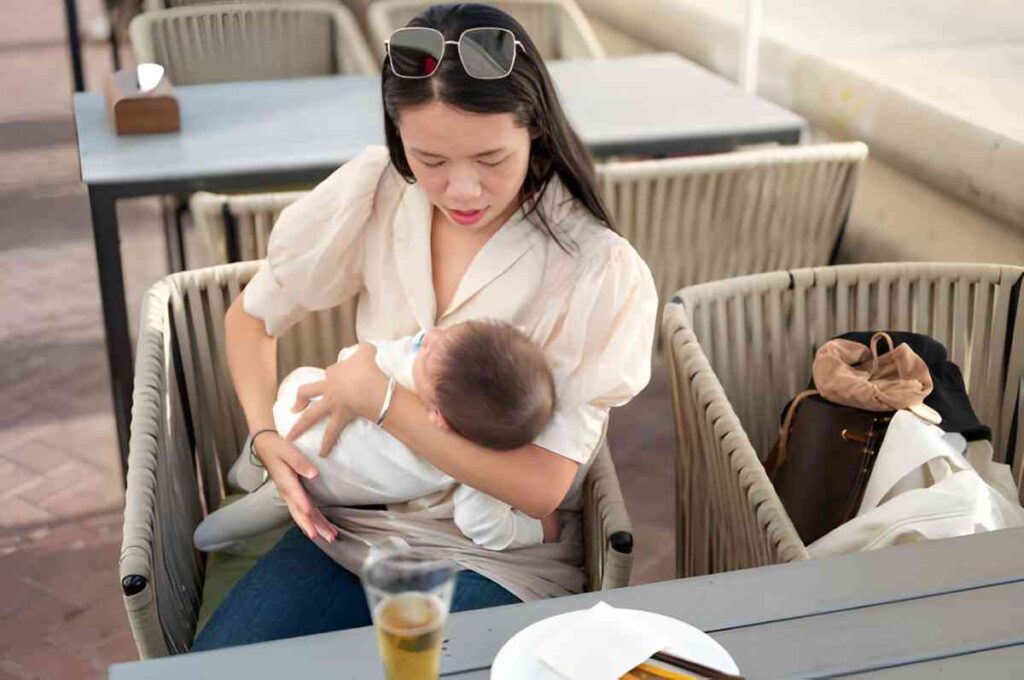
Curating the Breastfeeding Experience: A Specialist Guide to Nursing Apparel and Supplies
Bridging the gap between maternity fashion and clinical lactation health.
Breastfeeding transitions from a biological intention to a daily physical demand the moment an infant arrives. For many, the success of this journey depends heavily on the external environment and the tools available to support it. While the medical community focuses on latch and output, the specialist perspective recognizes that the garments a mother wears and the supplies she keeps within reach determine her comfort, her dignity, and her long-term physiological health. A mother’s boutique is not merely a retail space; it serves as a curated laboratory for lactation success. This guide examines the essential engineering behind high-quality nursing clothing and the clinical reasoning for specific breastfeeding supplies, ensuring that every choice supports the health of both mother and child.
The Functional Architecture of Nursing Apparel
Quality nursing clothing must balance three competing priorities: discrete access, structural support, and aesthetic identity. In the early weeks of the fourth trimester, maternal identity often undergoes a period of flux. Garments that look like "regular" clothing but function with medical-grade efficiency help mothers reclaim their sense of self while meeting the constant demands of a newborn.
Identity and Comfort
The architecture of nursing wear focuses on the "reach." A boutique garment minimizes the steps between the infant's hunger cue and the successful latch. This reduces infant frustration and maternal anxiety. We look for items that utilize one-handed clips, integrated modesty panels, and fabrics that regain their shape after being pulled or folded repeatedly during feeds.
Anatomy of a Therapeutic Nursing Bra
The nursing bra is the most critical piece of equipment in a mother's wardrobe. An ill-fitting bra does more than cause discomfort; it poses a direct risk to mammary health. Constriction of the breast tissue, particularly in the outer quadrants, can lead to blocked milk ducts and, subsequently, inflammatory mastitis.
The Non-Negotiable: Wire-Free Support
Lactation specialists almost universally recommend avoiding underwires during the first six to eight weeks of breastfeeding. The fluctuating size of the breasts as milk supply regulates means that a static metal wire can easily place pressure on a developing milk lobe. Instead, boutique bras utilize "spacer fabric" or "zoned compression" to provide lift without the risk of ductal compression.
The Danger of Compression
When the breast is compressed by an tight elastic band or a rigid wire, milk flow stasis occurs. Bacteria that normally inhabit the skin can then find a home in the stagnant milk, leading to infection. A properly fitted boutique bra should allow for at least two fingers of space along the top of the cup to accommodate the engorgement that happens before a feed.
Measurement Logic for the Nursing Mother
Measurement should happen near the end of the third trimester or at two weeks postpartum. The cup size often increases by one to two sizes, while the band size may actually decrease as the ribcage settles after birth.
Decoding Garment Access Mechanisms
Boutique nursing wear differentiates itself through the variety and subtlety of access points. The goal is to provide enough skin-to-skin contact for the infant while maintaining the mother's preferred level of coverage.
| Access Method | Design Logic | Best For |
|---|---|---|
| Lift-Up (Double Layer) | A top layer lifts while an under-layer remains in place. | Maximum modesty in public spaces. |
| Side-Access (Vertical) | Discreet slits hidden under ruffles or folds. | Wearing with structured dresses or blouses. |
| Pull-Down (Surplice) | A wrap or V-neck design that pulls aside easily. | Nighttime feeds and immediate access. |
| One-Handed Clips | Plastic or metal latches on bra straps. | Standard everyday support and versatility. |
Boutique Supplies for Mammary Integrity
Beyond clothing, specific supplies facilitate the healing process and manage the mechanics of milk flow. Specialists recommend items that prioritize the skin barrier and the prevention of nipple trauma.
Topical Barrier Protection
Nipple trauma is the primary reason mothers cite for early weaning. Boutique supplies often include high-purity lanolin, coconut oil-based balms, or hydrogel pads. However, the modern specialist gold standard is the Silver Nursing Cup. These are small, anatomical cups made of medical-grade silver that sit inside the bra.
Management of the "Other" Side
While the baby feeds on one side, the "let-down reflex" often causes the opposite side to leak. Passive silicone collectors, often called "Haakaas" or milk savers, utilize light suction to catch this milk. This prevents damp clothing and provides a low-stress way to build a small freezer stash without the aggressive stimulation of an electric pump.
Fiber Selection: Natural vs. Synthetic
The choice of fabric in a nursing boutique is a health decision. The infant's face remains in constant contact with the mother's clothing for hours each day. Furthermore, the mother's skin is often sensitized due to hormonal shifts.
Organic Cotton & Bamboo
These fibers provide superior breathability. Bamboo, in particular, possesses natural moisture-wicking and antibacterial properties, making it ideal for breast pads and inner linings where moisture (milk) is frequent.
Merino Wool
Surprisingly effective for nursing, fine merino wool is temperature regulating. It keeps the breast warm (preventing vasospasms) while staying dry, even if it absorbs a small amount of milk.
Interactive: Your Custom Supply Checklist
Breastfeeding Preparedness Tool
Enter your current lifestyle factors to receive a curated list of boutique essentials.
The Path to Long-Term Success
Choosing the right nursing clothing and supplies represents an investment in the breastfeeding relationship. By prioritizing garments that respect the physiology of the lactating breast and choosing materials that protect the skin barrier, a mother removes significant friction from her daily routine. The "boutique" approach—focusing on quality over quantity—allows for a minimalist but highly effective wardrobe that supports health, comfort, and maternal confidence.
Every mother's journey is unique, but the physical requirements of lactation remain consistent. By selecting tools that work in harmony with the body's natural processes, the focus can shift away from the discomfort of the clothing and toward the essential bond between mother and infant.