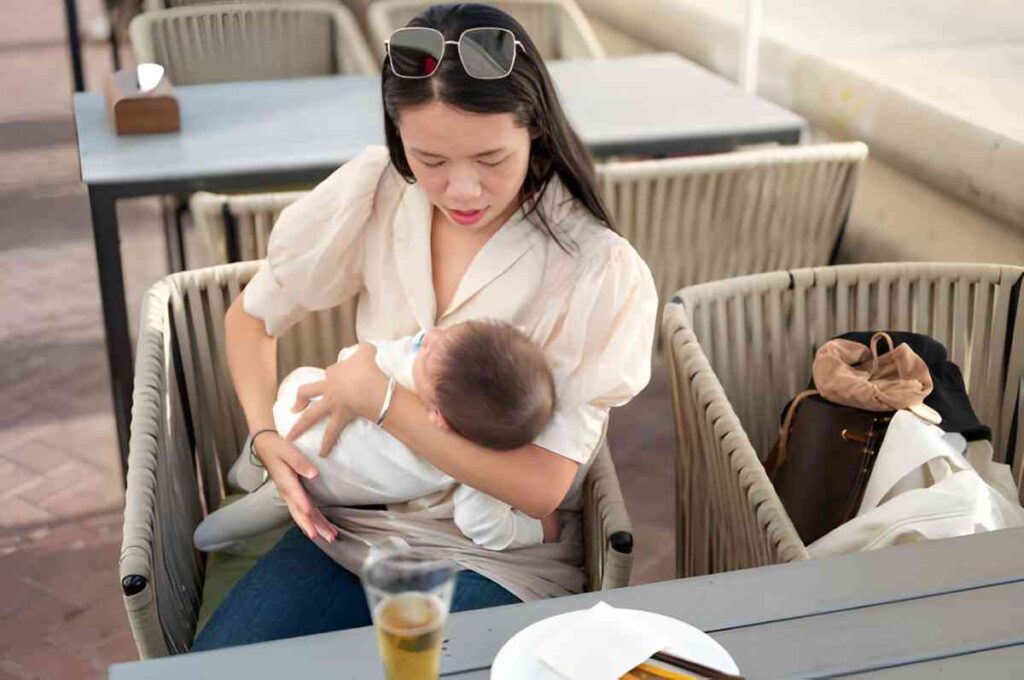
Sacred Sustenance: The IHS Perspective on Indigenous Breastfeeding and Maternal Vitality
Exploring the clinical protocols, cultural reclamation efforts, and socioeconomic supports within the Indian Health Service framework.
1. Cultural Foundation: Reclaiming the First Food
For many American Indian and Alaska Native communities, breastfeeding is recognized as the traditional first food. Historically, Indigenous communities maintained high rates of breastfeeding, supported by multi-generational family structures. However, these traditions were significantly disrupted by historical trauma, including the boarding school era and the aggressive marketing of commercial formula during the mid-twentieth century.
The Indian Health Service (IHS) now prioritizes the restoration of these practices as a vital step in sovereignty and healing. Breastfeeding is viewed not merely as a clinical recommendation but as a way to pass on ancestral strength and immune system protections. By framing breastfeeding as a return to tradition, specialists can better engage families who may feel alienated by standard Western medical advice.
Traditional Wisdom as Medicine
Many tribes utilize specific songs, stories, and ceremonies to welcome a newborn and initiate the nursing relationship. IHS specialists work to integrate these cultural markers into prenatal care, ensuring that clinical support respects and elevates Indigenous knowledge systems.
2. Clinical Outcomes in AI/AN Populations: Data-Driven Protection
In AI/AN communities, breastfeeding serves as a critical intervention for several specific health disparities. Clinical data consistently shows that infants who are breastfed for at least six months experience significantly lower rates of chronic conditions that disproportionately affect Indigenous populations.
Otitis Media (Ear Infections)
AI/AN infants historically face higher rates of middle ear infections. Exclusive breastfeeding for six months reduces this risk by over 50 percent, protecting the child's hearing and long-term linguistic development.
Respiratory Health
Breastfeeding provides antibodies that specifically target respiratory syncytial virus (RSV) and pneumonia, which are major causes of hospitalization in rural tribal environments.
SIDS Risk Reduction
Evidence suggests that breastfeeding reduces the risk of Sudden Infant Death Syndrome (SIDS) by approximately 64 percent. This is particularly vital in communities with limited access to consistent infant monitoring technology.
3. The Baby-Friendly Hospital Initiative within IHS
The IHS has made a national commitment to the Baby-Friendly Hospital Initiative (BFHI), a global program sponsored by the World Health Organization (WHO) and UNICEF. This initiative establishes evidence-based practices that promote successful breastfeeding initiation and duration within the hospital setting.
As of recent reporting, nearly all IHS birthing hospitals have achieved or are actively pursuing the "Baby-Friendly" designation. This represents a significant shift from previous decades, moving away from routine supplementation with formula and toward a model that emphasizes skin-to-skin contact and "rooming-in," where the infant remains with the mother throughout the hospital stay.
| Practice | Clinical Benefit | Community Impact |
|---|---|---|
| Skin-to-Skin (The Golden Hour) | Regulates infant temperature and blood sugar. | Initial bonding and successful latching. |
| No Pacifiers / Artificial Nipples | Avoids "nipple confusion" during the first weeks. | Establishes a strong milk supply through demand. |
| Rooming-In (24 Hours) | Allows mother to learn infant feeding cues. | Empowers the mother to recognize early hunger signs. |
| Prenatal Education | Builds confidence before the delivery occurs. | Reduces anxiety and formula reliance. |
4. Indigenous Peer Counseling Models: The Strength of Community
Standard lactation support often fails if it does not address the social context of the mother. IHS utilizes Indigenous Breastfeeding Counselors (IBCs) and peer support models that mirror traditional community structures. These counselors are often from the same community as the mother, providing advice that is linguistically and culturally congruent.
IBCs provide more than technical advice; they offer emotional support and help navigate the specific barriers found on tribal lands. This includes managing nursing with extended family involvement, utilizing traditional foods for maternal nutrition, and addressing historical skepticism toward medical institutions.
In many AI/AN cultures, grandmothers are the keepers of maternal knowledge. IHS programs actively involve elders in breastfeeding education, recognizing that their support is often the deciding factor in whether a mother continues to nurse through challenges.
5. Breastfeeding and Diabetes Prevention: A Life-Saving Link
The incidence of Type 2 Diabetes is twice as high among AI/AN adults compared to the general US population. Breastfeeding offers a powerful, multi-generational defense against this epidemic. For the mother, breastfeeding increases insulin sensitivity and improves glucose metabolism, significantly reducing the risk of developing Type 2 Diabetes after a pregnancy complicated by gestational diabetes.
For the infant, the metabolic programming provided by breast milk helps prevent childhood obesity and regulates insulin production. This benefit extends well into adulthood. IHS clinicians view every month of breastfeeding as a preventative treatment for the metabolic health of the entire community.
The Insulin Sensitivity Calculation
Research indicates that for every year a woman breastfeeds (cumulatively across all children), her risk of developing diabetes decreases by approximately 15 percent. For a mother with three children who each nurse for 12 months, the risk reduction is substantial. 15% x 3 = 45% cumulative risk reduction.
6. Economic Realities and Tribal WIC
Economic barriers remain a primary reason for early weaning in rural and underserved areas. The WIC (Women, Infants, and Children) program operates on tribal lands, often under tribal management. Tribal WIC provides enhanced food packages for breastfeeding mothers, recognizing that the nutritional needs of a nursing parent are significantly higher.
These packages often include traditional staples such as wild rice, salmon, or specific grains, depending on the region. By providing high-quality protein and produce, WIC ensures that the mother’s health is not sacrificed to nourish the child. Specialists encourage families to view WIC as a partner in their breastfeeding success rather than a program that only provides formula.
7. Nutrition: The Indigenous Maternal Diet
A specialist's perspective on maternal diet within the IHS framework involves balancing modern nutritional standards with traditional food systems. Indigenous diets were historically high in lean proteins, complex carbohydrates, and fiber, all of which support sustained lactation.
Lean Proteins
Wild game, salmon, and beans provide the necessary amino acids for tissue repair and milk production without the inflammatory effects of processed meats.
Traditional Grains
Wild rice and blue corn are excellent sources of B-vitamins and slow-releasing energy, helping mothers avoid the fatigue commonly associated with the first three months postpartum.
Plant-Based Minerals
Greens and berries offer antioxidants and essential minerals like calcium and magnesium, which are often depleted during pregnancy and lactation.
8. Workplace Support in Tribal Settings
Returning to work is a frequent cause of breastfeeding cessation. On tribal lands, workplace environments vary from modern tribal government offices to rural outdoor settings. The PUMP for Nursing Mothers Act provides legal protections for nearly all employees in the US, requiring employers to provide time and a private space for pumping.
IHS works with tribal employers to establish "nursing-friendly" workplaces. This includes providing high-quality electric pumps through insurance or community programs and educating supervisors on the biological necessity of regular pumping breaks. When a mother can maintain her supply at work, she can continue her breastfeeding journey for the recommended duration of two years or beyond.
9. Identifying Urgent Clinical Needs: Red Flags
While breastfeeding is a natural process, Indigenous mothers may face specific health challenges that require immediate attention. Living in rural or isolated areas makes early identification of "red flags" critical for preventing hospitalization.
When to Seek Urgent Care
- Sudden Drop in Output: Fewer than 6 wet diapers in 24 hours for an infant older than 4 days.
- Maternal Fever: A temperature over 100.4°F accompanied by a red, hot, or painful area on the breast (Mastitis).
- Severe Nipple Pain: Cracked or bleeding nipples that prevent the mother from nursing comfortably.
- Jaundice: Extreme yellowing of the infant's skin or eyes, especially if accompanied by lethargy.
By merging modern clinical excellence with deep-rooted cultural respect, the Indian Health Service creates a supportive environment where Indigenous families can thrive. Breastfeeding is the foundation of this health, ensuring that the First Food remains a primary source of life, healing, and community resilience for generations to come.