Arturo Salazar Elementary School, situated in the North Oak Cliff neighborhood of Dallas, Texas, is a beacon of educational innovation within the Dallas Independent School District (DISD). Established in 2006, the school has consistently strived to provide an active, engaging, and rigorous learning environment for its diverse student body. With a commitment to personalized learning, the school has implemented various strategies to accelerate student learning and foster holistic development.
1. Personalized Learning Approach
At the core of Salazar Elementary’s educational philosophy is its personalized learning model. This approach tailors instruction to meet the individual needs, skills, and interests of each student, ensuring that learning is both relevant and effective. Key components of this model include:
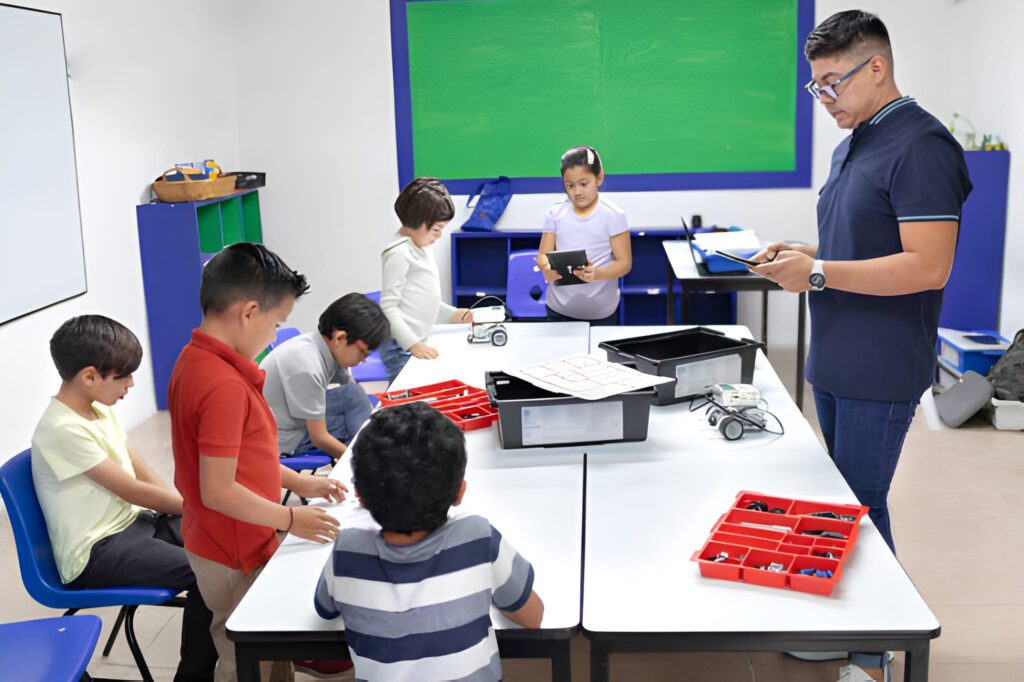
- Blended Learning Station Rotation Model: Students rotate between different learning stations, including teacher-led instruction, collaborative group work, and independent tasks, allowing for a more dynamic and personalized learning experience.
- Differentiated Learning Pathways: Instruction is adapted to accommodate varying learning styles and paces, ensuring that all students can achieve their full potential.
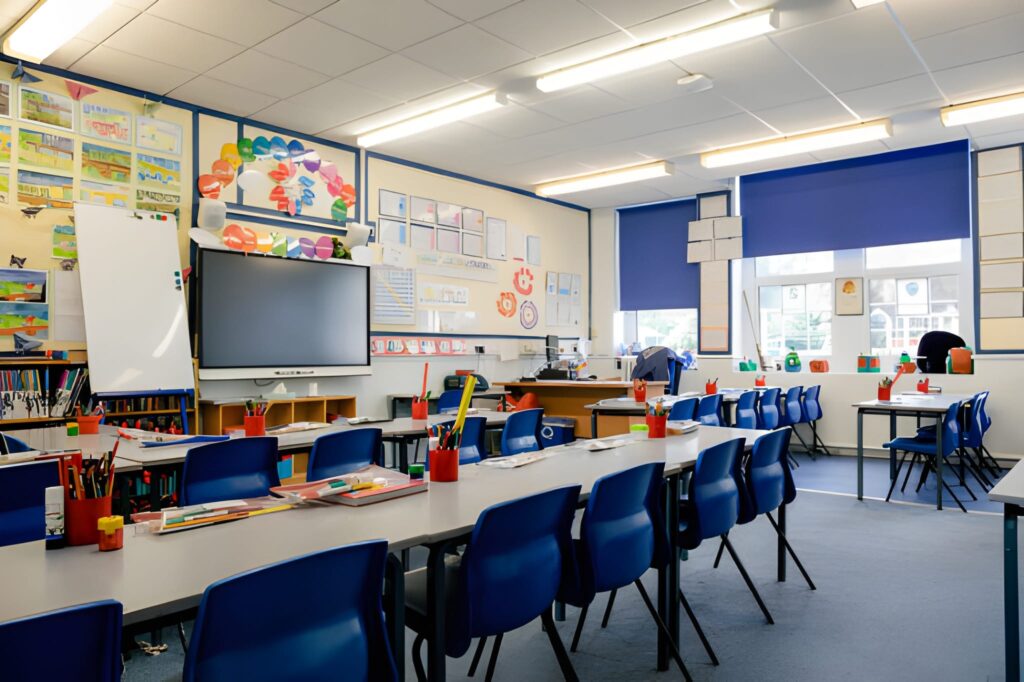
- Flexible Learning Spaces and Seating: Classrooms are designed to be adaptable, providing students with choices in how and where they learn, which can enhance focus and engagement.
- Social-Emotional Learning (SEL): Daily morning meetings using the Responsive Classroom model help students develop essential social and emotional skills, fostering a positive and supportive school culture.
2. Academic Performance and Accountability
As of the 2023-2024 school year, Salazar Elementary serves approximately 398 students, with a student-teacher ratio of 13:1. The school has made significant strides in academic performance, earning a ‘B’ rating from the Texas Education Agency (TEA) for the 2024-2025 school year. This improvement reflects the effectiveness of the school’s personalized learning initiatives and its commitment to academic excellence.
3. Teacher Expertise and Professional Development
The success of any educational institution hinges on the quality of its educators. At Salazar Elementary, teachers bring a wealth of experience and expertise to the classroom. The average teacher tenure at the school is 9.3 years, slightly below the district average of 9.9 years but indicative of a stable and experienced teaching staff. Professional development is a priority, with educators engaging in continuous learning to enhance their instructional practices and stay abreast of the latest educational strategies.
4. Support for Diverse Learners
Salazar Elementary is dedicated to meeting the needs of its diverse student population. Approximately 47.7% of students are enrolled in bilingual and English language learning programs, reflecting the school’s commitment to serving English learners effectively. Additionally, 23.4% of students participate in gifted and talented programs, and 14.6% receive special education services, ensuring that all students have access to the resources and support they need to succeed.
5. Extracurricular Activities and Community Engagement
Beyond academics, Salazar Elementary offers a range of extracurricular activities that contribute to student development. Programs such as robotics, UIL (University Interscholastic League) competitions, Destination Imagination, and scouting provide students with opportunities to explore their interests, develop new skills, and build a sense of community. These activities complement the school’s academic offerings and play a crucial role in fostering well-rounded individuals.
6. Social-Emotional Learning and School Culture
Recognizing the importance of emotional well-being in academic success, Salazar Elementary places a strong emphasis on social-emotional learning. Daily morning meetings using the Responsive Classroom model create a space for students to connect, reflect, and build positive relationships. This focus on SEL contributes to a supportive and inclusive school culture, where students feel valued and empowered.
7. Facilities and Learning Environment
The physical environment of Salazar Elementary is designed to enhance learning and promote student engagement. Flexible learning spaces and seating arrangements allow for varied instructional methods and accommodate different learning styles. Additionally, the school’s facilities support a range of extracurricular activities, providing students with the resources they need to explore their interests and talents.
8. Parent and Community Involvement
Salazar Elementary recognizes the vital role that parents and the community play in student success. The school actively encourages parental involvement through events such as family nights, parent-teacher conferences, and volunteer opportunities. By fostering strong partnerships with families and community members, the school creates a collaborative environment that supports student learning and development.
9. Challenges and Areas for Growth
Despite its many successes, Salazar Elementary faces challenges common to urban schools, including addressing the needs of a diverse student population and ensuring equitable access to resources. The school continues to work towards closing achievement gaps and providing all students with the opportunities and support they need to succeed.
10. Future Directions
Looking ahead, Salazar Elementary is committed to continuous improvement and innovation. The school plans to expand its personalized learning initiatives, enhance professional development for educators, and strengthen community partnerships. By building on its strengths and addressing areas for growth, Salazar Elementary aims to provide an exemplary education that prepares students for success in an ever-changing world.
Conclusion
Arturo Salazar Elementary School exemplifies a commitment to educational excellence through its personalized learning approach, dedicated staff, and supportive learning environment. By focusing on the individual needs of students and fostering a culture of continuous improvement, the school is making significant strides in accelerating learning and preparing students for future success.