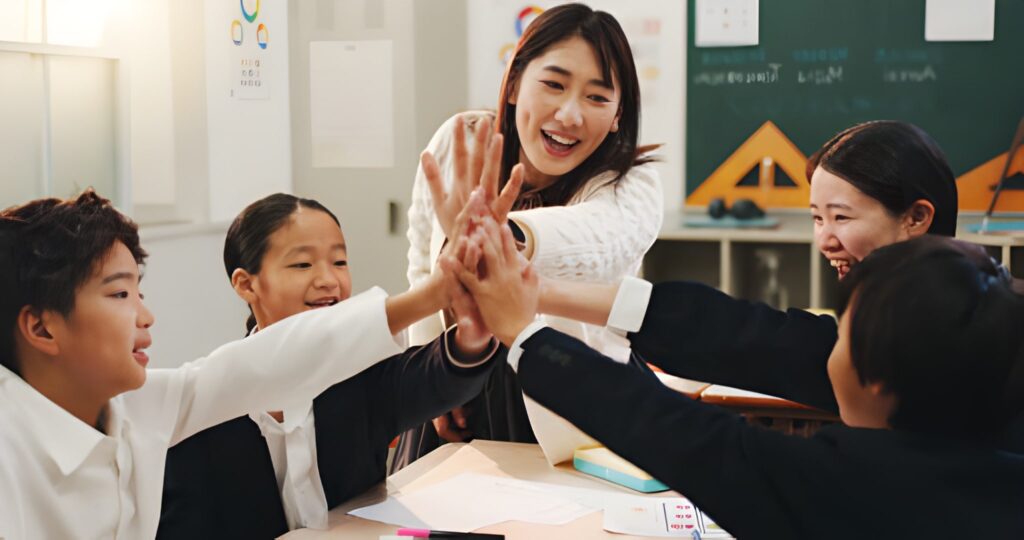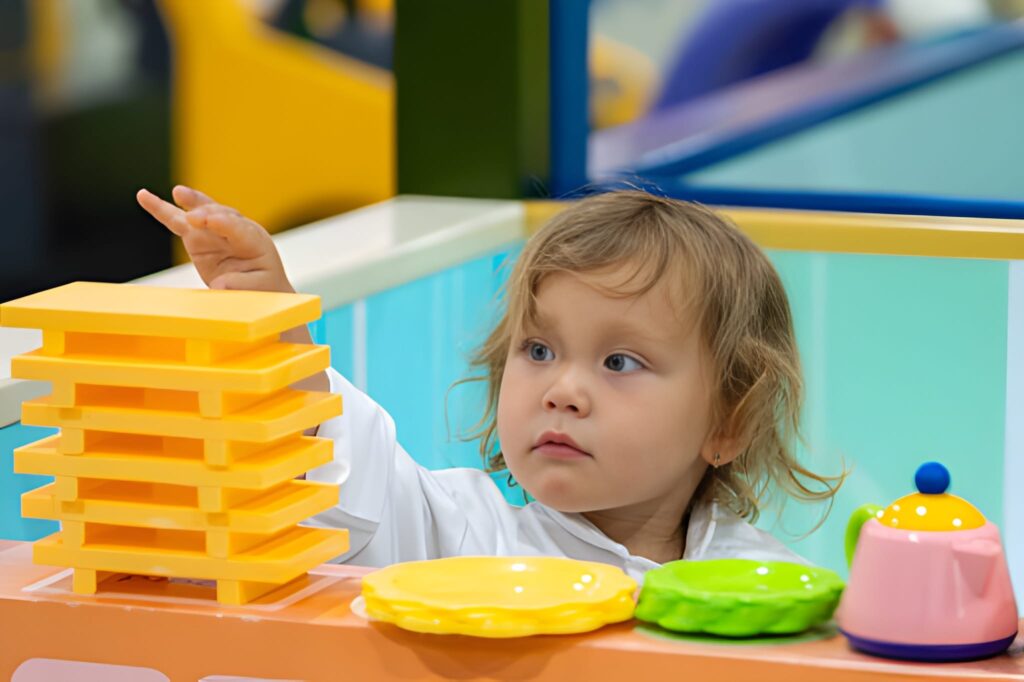
In today’s educational landscape, parents and educators increasingly recognize that children learn best when they are actively engaged in meaningful experiences. This recognition has fueled the growth of institutions such as the Active Learning Early Childhood Center, which focuses on creating dynamic, child-centered environments where exploration, problem-solving, and discovery drive development. Unlike traditional early education models that rely heavily on rote memorization or teacher-led instruction, active learning emphasizes participation, creativity, and inquiry. This article explores the philosophy, curriculum, instructional practices, and impact of an active learning early childhood center, while also considering the socioeconomic context in which American families make early education choices.
Why Active Learning Matters in Early Childhood
The first five years of life are a period of rapid brain development. Neuroscientists estimate that more than one million new neural connections form every second during early childhood. These connections are shaped by a child’s interactions with their environment. Active learning—defined as hands-on, minds-on engagement with materials, peers, and ideas—maximizes these interactions and helps children:
- Develop critical thinking skills through inquiry and experimentation.
- Build social-emotional competence by collaborating with peers.
- Strengthen language development by engaging in conversations and storytelling.
- Enhance motor coordination through movement-based activities.
- Foster a lifelong love of learning by connecting education with curiosity.
Research from the National Association for the Education of Young Children (NAEYC) supports that children in active learning programs are more likely to demonstrate school readiness and long-term academic achievement than those in passive, lecture-style classrooms.
Mission and Philosophy of the Active Learning Early Childhood Center
The mission of an Active Learning Early Childhood Center is to create a stimulating environment where children can explore, experiment, and engage with ideas at their own pace. The philosophy rests on four main principles:
- Children are natural learners: They are born curious, and education should nurture this curiosity rather than replace it with rigid instruction.
- Learning is social: Children learn best in collaboration with peers and adults who guide, model, and support exploration.
- Play is essential: Play is not separate from learning but rather the primary mode through which children construct knowledge.
- Individual differences matter: Every child develops at a unique pace, and instruction must be responsive to those differences.
This philosophy draws inspiration from theorists such as John Dewey (learning by doing), Jean Piaget (constructivist learning), and Lev Vygotsky (social interaction and scaffolding).
Curriculum Design
The curriculum at an Active Learning Early Childhood Center is integrated, thematic, and hands-on. It is typically organized around broad themes such as “The Seasons,” “Our Community,” or “Animals and Habitats.” Within each theme, children engage in literacy, math, science, art, and movement activities.
Literacy and Language Development
- Storytelling circles where children retell stories with props or puppets.
- Journaling with drawings and invented spelling.
- Letter hunts in the classroom and outdoor spaces.
Numeracy and Problem-Solving
- Sorting and classifying objects by size, shape, or color.
- Building structures with blocks to explore geometry.
- Simple graphing activities such as charting favorite fruits.
Science and Discovery
- Planting seeds and observing growth over time.
- Exploring water, sand, and natural materials in sensory tables.
- Conducting simple experiments, like testing which objects sink or float.
Arts and Creativity
- Using open-ended materials (paint, clay, recycled items) for expression.
- Music and rhythm activities with instruments.
- Dramatic play areas that rotate themes (e.g., grocery store, doctor’s office).
Social-Emotional Development
- Cooperative games that require sharing and turn-taking.
- Conflict resolution circles guided by teachers.
- Role-playing scenarios to practice empathy.
Physical Development
- Outdoor play areas with climbing structures for gross motor skills.
- Fine motor centers with puzzles, beads, and scissors.
- Yoga and mindfulness exercises to support balance and focus.
A Typical Daily Schedule
A well-structured daily routine supports consistency while allowing flexibility for exploration.
| Time | Activity | Developmental Focus |
|---|---|---|
| 8:00 – 8:30 AM | Arrival and Free Exploration | Socialization, independence, choice-making |
| 8:30 – 9:00 AM | Morning Circle | Community building, language skills |
| 9:00 – 9:45 AM | Thematic Learning Centers | Hands-on literacy, math, and science |
| 9:45 – 10:15 AM | Outdoor Play | Physical development, peer cooperation |
| 10:15 – 11:00 AM | Small Group Projects | Collaboration, critical thinking |
| 11:00 – 11:30 AM | Snack and Story Time | Nutrition, listening, imagination |
| 11:30 – 12:15 PM | Creative Arts | Expression, fine motor skills |
| 12:15 – 1:00 PM | Lunch and Social Skills | Independence, manners, communication |
| 1:00 – 2:00 PM | Rest or Quiet Activities | Emotional regulation, self-control |
| 2:00 – 2:45 PM | Science and Discovery | Inquiry, experimentation, observation |
| 2:45 – 3:30 PM | Outdoor Movement Games | Gross motor coordination, teamwork |
| 3:30 – 4:00 PM | Reflection and Closing Circle | Review of learning, transition preparation |
Teaching Strategies
Teachers in an active learning setting act as facilitators rather than lecturers. Their role is to set up environments rich with materials, ask open-ended questions, and scaffold learning experiences. Common strategies include:
- Guided Discovery: Teachers provide prompts or questions that spark exploration.
- Project-Based Learning: Children work on long-term projects that integrate multiple subject areas.
- Differentiated Instruction: Activities are adapted for children at different developmental stages.
- Documentation: Teachers record observations of children’s work to inform instruction and share progress with families.
- Scaffolding: Support is gradually reduced as children gain mastery.
Family Engagement
Active Learning Early Childhood Centers typically place strong emphasis on family partnerships.
- Parents are invited to participate in classroom activities.
- Family nights showcase children’s projects and learning.
- Workshops help parents support literacy and numeracy at home.
- Daily communication ensures transparency about children’s experiences.
Benefits and Outcomes
Children in active learning programs often demonstrate:
- Stronger problem-solving abilities.
- Improved collaboration and communication skills.
- Greater creativity and persistence in tasks.
- Enhanced readiness for elementary school.
- Long-term benefits such as adaptability and critical thinking.
Comparison with Traditional Models
| Feature | Active Learning Center | Traditional Preschool |
|---|---|---|
| Instruction Style | Child-centered, experiential | Teacher-led, structured |
| Role of Play | Central to learning | Often secondary to academics |
| Assessment | Observations, portfolios | Standardized tests or worksheets |
| Teacher Role | Facilitator and guide | Authority and instructor |
| Family Engagement | Integrated and active | Limited to conferences |
Accessibility and Socioeconomic Considerations
While active learning centers provide enriched experiences, cost remains a barrier for many families. According to the Economic Policy Institute, childcare in the U.S. often exceeds 20% of household income for median families. Centers adopting this approach may be tuition-based, limiting accessibility. Some communities address this through subsidies, partnerships with Head Start programs, or sliding-scale fees. Additionally, cultural factors influence family expectations. Some families may prefer academic-focused environments, while others value the holistic approach of active learning. The challenge for educators is to demonstrate that play-based, experiential learning builds the same cognitive skills needed for later success.
Conclusion
The Active Learning Early Childhood Center model represents a philosophy of education that prioritizes engagement, exploration, and creativity. By fostering environments where children learn through doing, these centers help build not only academic readiness but also critical life skills such as collaboration, empathy, and problem-solving. For families, choosing such a program involves weighing costs, accessibility, and alignment with their values. In a broader sense, active learning approaches challenge traditional notions of preschool by affirming that play is learning, and learning is most powerful when it is active.