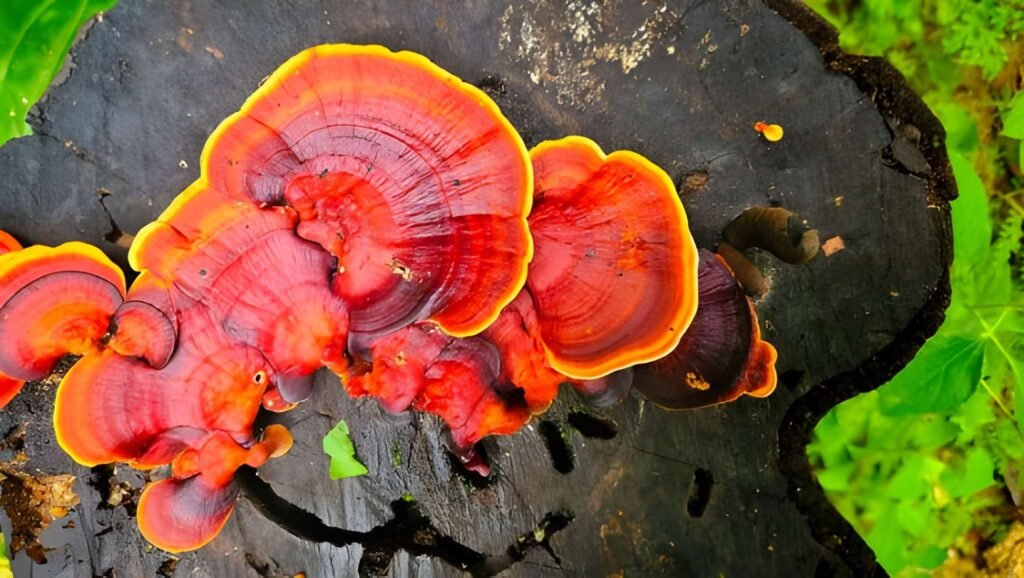
Adaptogens and Lactation: The Specialist's Guide to Reishi Mushrooms
Navigating the safety, biological mechanisms, and expert recommendations for nursing mothers.
Postpartum recovery places immense strain on the maternal body. Mothers often seek natural ways to restore energy, improve sleep, and bolster the immune system. Functional mushrooms, in particular Reishi (known botanically as Ganoderma lucidum), have entered the wellness mainstream as "adaptogens." These substances theoretically help the body manage stress. However, as a specialist, I must evaluate these trends through the lens of infant safety and maternal physiology.
The core question involves whether the bioactive compounds in Reishi pass through the blood-milk barrier and how they affect a developing infant. While traditional use in Eastern medicine spans centuries, modern clinical data on lactation remains sparse. This guide breaks down the science to help you make an informed choice for your family.
The Biological Profile of Reishi
Reishi mushrooms contain a complex array of molecules. Two primary groups drive their health claims: polysaccharides and triterpenoids. Polysaccharides, such as beta-glucans, interact with the immune system. Triterpenoids, specifically ganoderic acids, give the mushroom its bitter taste and provide the purported anti-inflammatory effects.
In a healthy adult, these compounds undergo processing in the liver and gut. They do not behave like standard vitamins; they act as modulators. For a nursing mother, the concern lies in the molecular weight of these compounds. Large polysaccharides often fail to pass into breast milk in significant amounts, but smaller triterpenes might have higher bioavailability.
Clinical Safety Assessment
Lactation specialists often refer to the "L" scale for medication and supplement safety. Reishi falls into a grey area because human trials involving breastfeeding pairs do not exist. Most experts classify it as L3 (Unknown). This does not mean the mushroom is dangerous; it means we lack the data to guarantee absolute safety.
The lack of trials stems from ethical constraints. We cannot intentionally expose infants to unstudied substances. Therefore, we rely on animal studies and centuries of anecdotal use in Traditional Chinese Medicine (TCM). In TCM, Reishi (Lingzhi) is sometimes used postpartum to replenish "Qi," but usually under the strict supervision of a practitioner who adjusts dosages based on the mother’s constitution.
Potential Impact on the Infant
When you consume a supplement, your baby consumes a portion of it. The main risks for the infant include allergic reactions and digestive distress. Mushrooms are fungi, and fungal proteins are known allergens. If your infant has a history of cradle cap, eczema, or sensitive skin, they may react more strongly to new proteins in your milk.
Furthermore, Reishi can have a mild blood-thinning effect. While unlikely to affect an infant through milk at standard maternal doses, mothers with infants who have underlying blood disorders or upcoming surgeries must exercise extreme caution. Monitoring the baby for changes in sleep patterns, stool consistency, or skin rashes is a requirement if you decide to use this supplement.
| Infant Symptom | Possible Relation to Reishi | Recommended Action |
|---|---|---|
| Excessive Fussiness | Digestive sensitivity to triterpenes | Discontinue use for 48 hours |
| New Skin Rash | Allergic reaction to fungal proteins | Contact your pediatrician |
| Changes in Stool | Alteration in gut flora/irritation | Monitor for blood or mucus |
Managing Postpartum Fatigue and Stress
Many mothers turn to Reishi to combat the "brain fog" and exhaustion of the first year. Reishi acts on the HPA axis (hypothalamic-pituitary-adrenal axis). It helps modulate the release of cortisol, the body's primary stress hormone. By stabilizing cortisol, Reishi may improve sleep quality—even if the total number of hours remains low due to nighttime feedings.
Lowering maternal stress has a direct benefit on lactation. High cortisol levels can sometimes inhibit the oxytocin let-down reflex. By supporting maternal calm, Reishi may indirectly support milk flow. However, you must weigh this benefit against the potential for infant exposure to the supplement’s active compounds.
Quality Control and Contamination
The supplement industry lacks the rigorous oversight applied to pharmaceuticals. This is the biggest risk factor for breastfeeding mothers. Mushrooms are "bio-accumulators," meaning they suck up everything in their environment, including heavy metals like lead, arsenic, and cadmium.
If you choose a low-quality Reishi powder, you might unintentionally pass heavy metals to your infant through your milk. Infants are highly susceptible to heavy metal toxicity, which can impact neurological development. Only products that undergo third-party testing for purity and heavy metals are suitable for a nursing mother.
What to look for on a label:
- Dual Extraction: Ensures both water-soluble and fat-soluble compounds are present.
- Fruiting Body Only: Avoid "mycelium on grain," which is mostly starch filler and lacks potency.
- Third-Party Seal: Look for USP, NSF, or Informed-Choice certifications.
- Heavy Metal Testing: The company should provide a Certificate of Analysis (COA) upon request.
Expert Implementation Guidelines
If you decide to incorporate Reishi into your routine after discussing it with your healthcare provider, I suggest a conservative approach. Start with a "micro-exposure" strategy. Take a fraction of the recommended dose and observe your infant for a full 72 hours before increasing the amount. This allows you to identify sensitivities before a significant concentration builds up in your system.
Avoid highly concentrated tinctures or "fast-acting" extracts. These delivery methods cause rapid spikes in blood concentration, which increases the likelihood of compounds crossing into the milk. A mild Reishi tea or a low-dose powder added to food provides a slower, more stable release.
Common Maternal Questions
There is no evidence that Reishi decreases milk supply. In some cases, by reducing stress and lowering cortisol, it might support the let-down reflex. However, if you experience a drop in supply, you should discontinue use and consult a lactation consultant.
Tea is generally safer for nursing mothers because it is less concentrated and provides hydration. Powders and capsules often contain higher doses of active triterpenes which have a higher chance of crossing into the milk.
Yes. Reishi stimulates the immune system. For mothers with conditions like Hashimoto's thyroiditis or Lupus, this stimulation might trigger a flare-up. Always consult your rheumatologist or endocrinologist first.
Reishi can interact with blood thinners (like heparin often used after C-sections) and blood pressure medications. It may also lower blood sugar, which is a concern for mothers with gestational diabetes transitioning to postpartum care.
Deciding to use Reishi while breastfeeding involves balancing your need for wellness with the protective needs of your infant. While the mushroom offers promising adaptogenic benefits for stress and immunity, the lack of clinical trials suggests a cautious path. Focus on high-quality, third-party-tested sources and monitor your baby with precision. Your health and your baby’s safety remain the dual priorities of this journey. For the current year , the recommendation remains: consult your primary care physician before beginning any fungal supplement protocol.