Approaches to learning in early childhood encompass the methods, strategies, and attitudes children use to engage with their environment, acquire knowledge, and develop skills. Unlike specific content knowledge, approaches to learning focus on how children learn—how they explore, persist, solve problems, and interact with others. These approaches are critical predictors of lifelong learning and success, shaping cognitive, social-emotional, and physical development. Understanding and fostering these learning approaches allows educators and caregivers to create environments that encourage curiosity, resilience, creativity, and independence.
Defining Approaches to Learning
Approaches to learning refer to the behaviors and dispositions that children bring to the learning process. Key components include curiosity, initiative, persistence, flexibility, creativity, and problem-solving. Children who demonstrate strong approaches to learning are more likely to engage actively, adapt to challenges, and seek solutions rather than passively receiving information. For example, a preschooler experimenting with water and sand at a sensory table demonstrates curiosity and initiative, while attempting different ways to fill containers shows persistence and problem-solving. These behaviors underpin the ability to acquire knowledge across domains and support social and emotional growth.
Major Approaches in Early Childhood
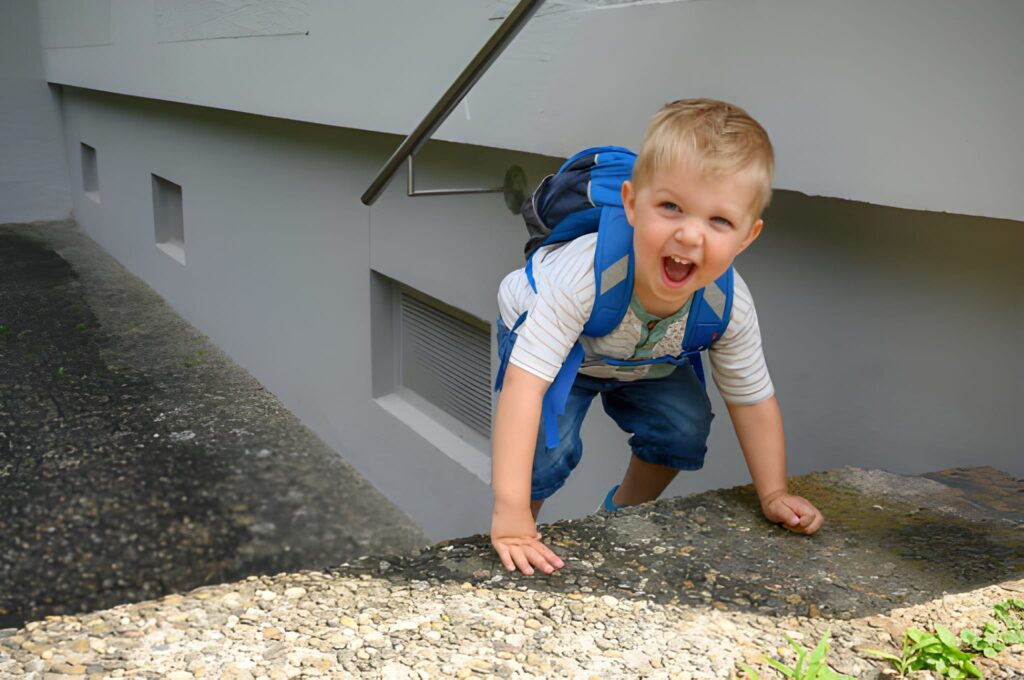
- Curiosity and Exploration: Children show interest in new materials, ask questions, and investigate their surroundings. This approach drives inquiry and discovery. For instance, a child exploring a classroom garden might observe insects, compare plant growth, and ask “why” questions, demonstrating natural curiosity.
- Persistence and Task Completion: Children develop the ability to focus, try different strategies, and complete tasks despite challenges. Puzzles, building towers, or threading beads are practical examples where persistence is cultivated.
- Problem-Solving and Critical Thinking: Children engage in reasoning, testing hypotheses, and making decisions. Examples include sorting objects by color or shape, experimenting with cause and effect, or figuring out how to navigate playground equipment.
- Creativity and Imagination: Imaginative play, art, music, and storytelling allow children to generate ideas, create solutions, and express emotions. A child pretending to be a chef in a play kitchen integrates problem-solving, role understanding, and creative expression.
- Flexibility and Adaptability: Children learn to adjust strategies, cope with changes, and respond to unexpected outcomes. For example, when building a block tower collapses, adapting by redesigning the structure teaches flexibility.
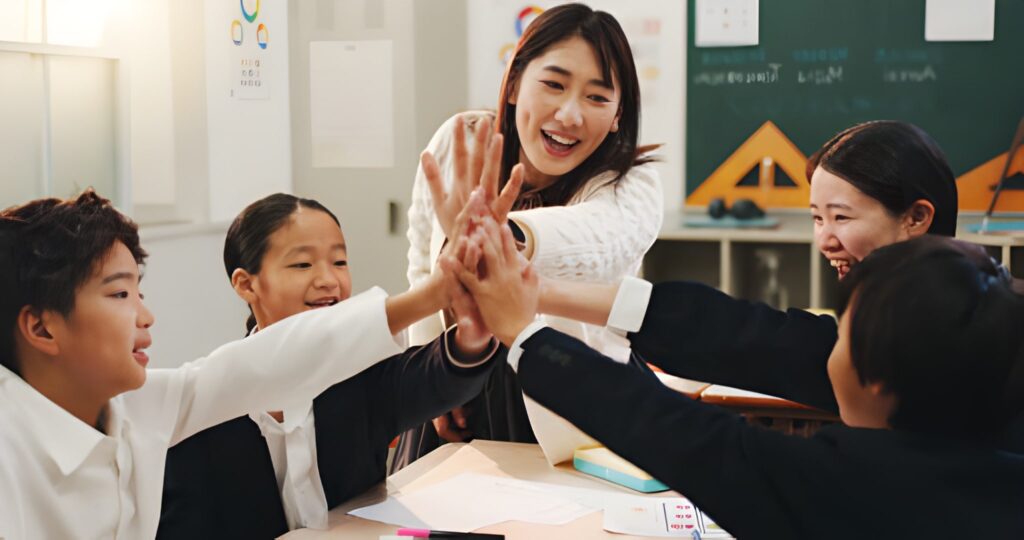
- Collaboration and Social Learning: Approaches to learning are also shaped through interaction with peers and adults. Children who engage in cooperative play, negotiate roles, and share materials demonstrate social approaches that reinforce learning.
Practical Examples in Classroom Settings
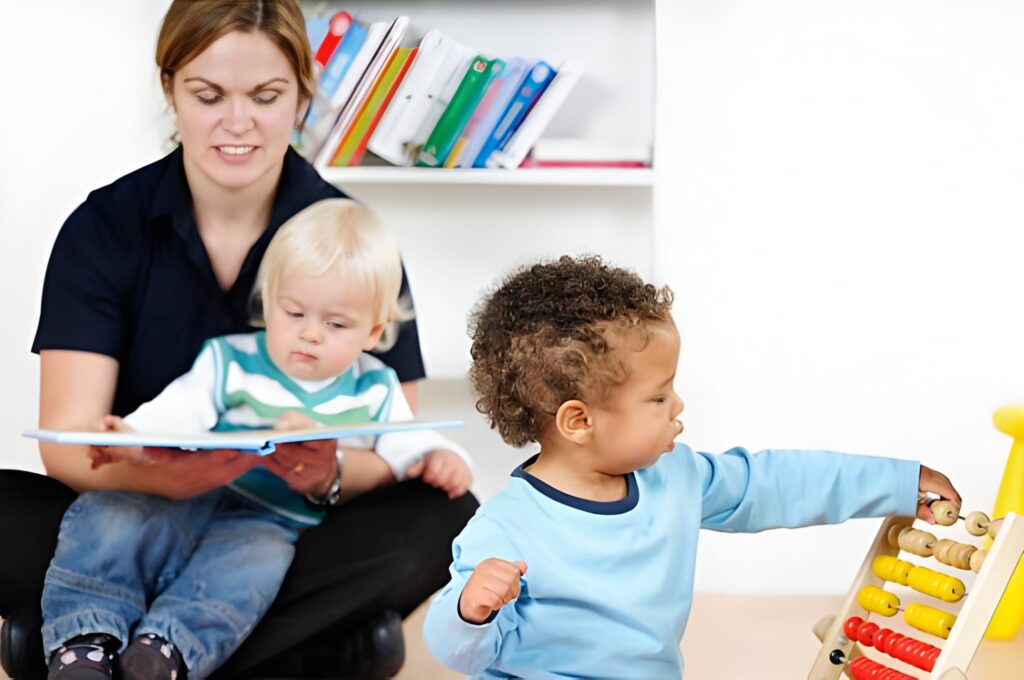
Early childhood classrooms often integrate multiple approaches to learning simultaneously. Sensory tables promote exploration and problem-solving as children mix materials, observe reactions, and compare textures. Science centers with magnifying glasses or simple experiments encourage curiosity, observation, and critical thinking. Art and music activities foster creativity while providing opportunities for focus, persistence, and self-expression. Role-play areas such as doctor’s offices, kitchens, or construction zones allow children to experiment with social roles, practice problem-solving, and develop collaborative skills.
The Role of Educators
Educators play a crucial role in fostering effective approaches to learning. They create environments rich in materials and opportunities for exploration, model curiosity and problem-solving, and provide guidance while allowing children autonomy. Open-ended questions, prompts for reflection, and encouragement for multiple solutions help children practice critical thinking and flexibility. For example, instead of instructing a child how to build a bridge with blocks, a teacher may ask, “How can we make this tower taller without falling?” encouraging independent reasoning.
Developmental Benefits
Strong approaches to learning are associated with long-term developmental advantages. Research indicates that children who display persistence, curiosity, and problem-solving skills perform better academically and socially in later years. The National Association for the Education of Young Children (NAEYC) emphasizes that nurturing positive approaches to learning supports self-regulation, motivation, and engagement—key components for success in school and beyond. Children learn not only what to learn but also how to learn, developing habits and dispositions that transfer across contexts and subjects.
Assessment and Observation
Observing approaches to learning is critical for guiding instruction. Educators can use anecdotal notes, checklists, and portfolios to track behaviors such as curiosity, persistence, creativity, and adaptability. For example, documenting how a child engages with a new material, collaborates with peers, or revises their approach to a problem provides insights into strengths and areas for support. This information informs curriculum design and individualized interventions to enhance learning strategies.
Challenges and Considerations
While promoting approaches to learning is essential, challenges exist. Individual differences in temperament, prior experiences, and developmental readiness influence how children engage. Children from varied socioeconomic backgrounds may have unequal exposure to materials and experiences that encourage curiosity or problem-solving. Educators must balance guidance and autonomy, ensuring children are supported without limiting independent exploration.
Conclusion
Approaches to learning in early childhood are foundational for lifelong growth, encompassing curiosity, persistence, creativity, problem-solving, flexibility, and social engagement. By observing, fostering, and scaffolding these behaviors, educators and caregivers create environments where children actively engage with their world, develop resilience, and acquire essential skills. Practical examples from classrooms, play-based activities, and guided exploration demonstrate that approaches to learning are as critical as content knowledge. Supporting these strategies ensures children become independent, confident, and capable learners, prepared for success in school and beyond.