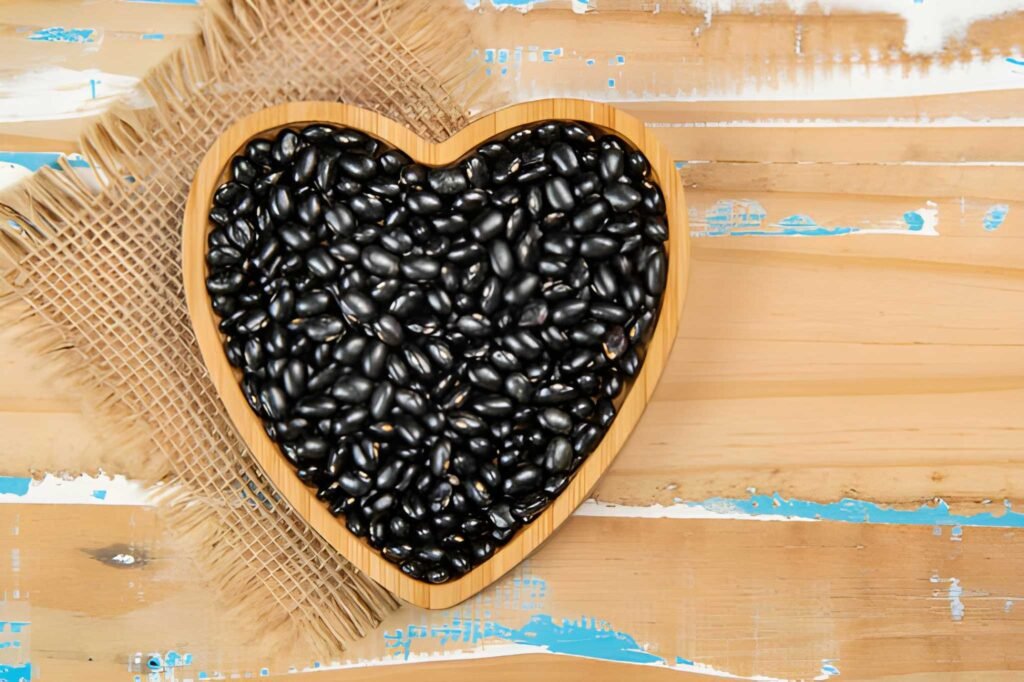
Black Beans and Breastfeeding
A Specialist's Guide to Nutrient Density and Recovery in the Fourth Trimester
Article Navigation
The transition into parenthood places an unprecedented metabolic demand on the human body. During the lactation phase, your system requires an additional 450 to 500 calories daily to maintain a consistent milk supply. This process is not merely about caloric intake; it is about the quality of micronutrients that support hormonal balance, tissue repair, and neurological development for the infant. Black beans, often categorized as a staple legume, emerge as one of the most efficient "superfoods" for this period.
As a specialist in neonatal and maternal health, I frequently recommend black beans because they offer a unique combination of complex carbohydrates, plant-based protein, and critical minerals. Unlike simple sugars that lead to energy crashes, the slow-digesting starches in black beans provide a steady stream of glucose, which is the primary fuel for lactose synthesis in the mammary glands.
Nutritional Composition of Black Beans
A single cup of cooked black beans contains a dense profile of nutrients that specifically target the needs of a breastfeeding parent. When we analyze the macro and micronutrient levels, the efficiency of this legume becomes clear.
| Nutrient | Value per Cup (Cooked) | Role in Breastfeeding |
|---|---|---|
| Protein | 15.2 grams | Supports tissue repair and infant growth. |
| Fiber | 15.0 grams | Stabilizes blood sugar and improves digestion. |
| Folate (B9) | 256 micrograms | Assists in DNA synthesis and cellular repair. |
| Iron | 3.6 milligrams | Prevents fatigue and supports oxygen transport. |
| Magnesium | 120 milligrams | Regulates muscle function and reduces stress. |
Combating Postpartum Anemia
Postpartum anemia is a widespread concern, affecting nearly 30% of new parents. Blood loss during delivery, combined with the iron requirements of breastfeeding, can lead to chronic exhaustion, brain fog, and a weakened immune system. Iron found in black beans is non-heme iron.
Iron is critical for the production of hemoglobin, which carries oxygen to your cells. When your iron levels are optimal, your body can prioritize milk production without sacrificing your own physical energy. Black beans provide a steady, non-constipating source of iron that is gentler on the digestive tract than many synthetic iron supplements.
Fiber and Digestive Regularity
The postpartum period often involves digestive sluggishness due to shifting hormones, particularly progesterone, which slows down intestinal motility. Additionally, many new parents experience discomfort from previous surgical interventions or pelvic floor changes. High fiber intake is the primary non-pharmacological solution for these issues.
The Fiber Density Calculation
Standard Daily Fiber Requirement: 25-30 gramsFiber in 1 cup of Black Beans: 15 grams
Impact: Consuming just one cup of black beans provides 50% to 60% of your total daily fiber requirement in a single meal. This high density effectively maintains bowel regularity and prevents the build-up of metabolic waste.
Debunking the Infant Gas Myth
One of the most persistent myths in maternal health is the idea that eating "gassy" foods like beans will cause the baby to have gas. It is vital to understand the biological mechanism of milk production to dispel this concern.
No. Gas is a byproduct of the fermentation of fiber by bacteria in your large intestine. The gas itself (methane, hydrogen) does not enter your bloodstream and therefore cannot be transferred into your milk. Your milk is synthesized from nutrients in your blood, not from the contents of your stomach.
Babies often experience gas due to an immature digestive system, swallowed air during feeding, or sensitivities to specific whole proteins (like cow's milk protein) that cross the blood-milk barrier. Legume proteins are generally well-tolerated and rarely cause these sensitivities.
If you experience discomfort, try soaking dry beans for 12-24 hours before cooking and discarding the soaking water. This removes much of the raffinose (a complex sugar) that causes fermentation. Alternatively, using canned beans and rinsing them thoroughly achieves a similar effect.
Maximizing Nutrient Absorption
To get the most out of black beans, we must consider how they interact with other foods. Certain compounds in legumes, called phytates, can bind to minerals and prevent their absorption. However, simple preparation techniques can neutralize these anti-nutrients.
Long Soaking
Soaking dry beans for at least 12 hours activates enzymes that break down phytates. This makes the magnesium and zinc in the beans significantly more bioavailable for your system.
Pressure Cooking
High-pressure cooking is the most effective way to neutralize lectins and phytates. It also softens the fiber, making the beans easier for your digestive system to process in the early postpartum weeks.
Rinsing Canned Beans
If using canned beans, rinsing them removes the liquid which contains excess sodium and the leached sugars that contribute to bloating. This simple step improves the nutritional profile instantly.
Anthocyanins and Inflammation
The dark pigment of black beans comes from anthocyanins, a powerful class of antioxidants also found in blueberries and blackberries. Postpartum recovery is essentially an inflammatory process as the body heals tissues and the uterus returns to its pre-pregnancy size.
Anthocyanins help neutralize free radicals and reduce systemic inflammation. For a breastfeeding parent, this can mean faster recovery times and reduced joint or muscle soreness. Furthermore, these antioxidants can pass into breast milk, providing the infant with early-stage cellular protection. Research suggests that a diet rich in diverse antioxidants supports the infant's developing immune system more effectively than supplementation alone.
Expert Perspectives for
In the current landscape of , we emphasize "functional nutrition." This means choosing foods that do more than just provide energy. Black beans function as a mood stabilizer (via magnesium and folate), a recovery aid (via protein and anthocyanins), and a digestive support (via fiber).
If you are looking for ways to incorporate them, consider a simple "Recovery Bowl": black beans, brown rice or quinoa, avocado (for healthy fats to support infant brain growth), and a salsa rich in Vitamin C. This combination hits every major requirement for a breastfeeding parent in one meal.
While black beans are an exceptional addition to your diet, always listen to your body. If you have a known history of legume allergies or specific digestive conditions like IBD, consult with your healthcare provider. For the vast majority, black beans are a safe, affordable, and incredibly effective tool for navigating the physical challenges of the first year of life.