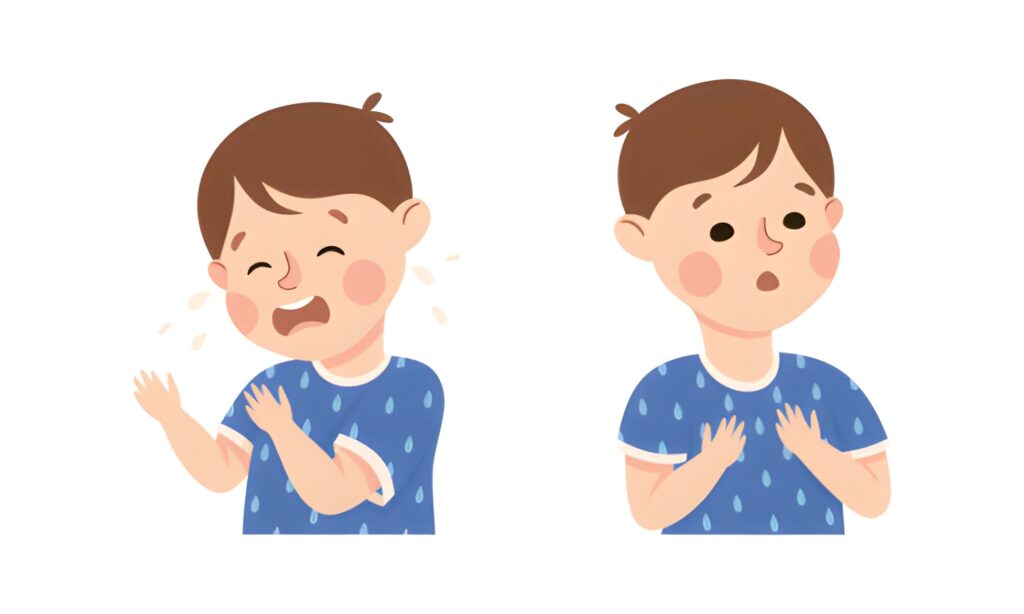
10 Quick Health Checks for Early Childhood

10 Quick Health Checks for Early Childhood: Ensuring Well-Being in Young Children

Routine health monitoring is essential in early childhood to ensure children are growing, developing, and learning in a safe and supportive environment. Quick, daily health checks in early childhood settings allow caregivers and educators to identify potential health concerns early, reduce the spread of illness, and maintain overall well-being. This article outlines ten simple yet […]

10 Quick Health Checks for Early Childhood: Ensuring Well-Being in Young Children Read More »
10 Core Principles of Early Childhood Education

10 Core Principles of Early Childhood Education: Guiding Quality Learning for Young Children

Early Childhood Education (ECE) is a dynamic field that shapes the cognitive, social, emotional, and physical development of children from birth to around eight years old. Quality early education is guided by fundamental principles that ensure learning experiences are developmentally appropriate, inclusive, and engaging. These principles serve as a foundation for educators, parents, and policymakers

10 Core Principles of Early Childhood Education: Guiding Quality Learning for Young Children Read More »

10 NAEYC Early Childhood Program Standards and Accreditation Criteria

10 NAEYC Early Childhood Program Standards and Accreditation Criteria: Ensuring Quality in Early Learning

The National Association for the Education of Young Children (NAEYC) is the leading organization promoting high-quality early childhood education in the United States. NAEYC accreditation is a widely recognized mark of excellence, reflecting adherence to rigorous standards in teaching, learning, health, safety, and program administration. Accreditation provides assurance to parents, educators, and communities that programs

10 NAEYC Early Childhood Program Standards and Accreditation Criteria: Ensuring Quality in Early Learning Read More »

10 Must-Watch TED Talks About Early Childhood Education

10 Must-Watch TED Talks About Early Childhood Education: Insights, Inspiration, and Practical Strategies

TED Talks provide accessible, research-based insights and practical ideas from educators, psychologists, and innovators in early childhood education (ECE). Watching these talks can inspire parents, teachers, and policymakers to rethink approaches to early learning, child development, and educational equity. This article highlights ten TED Talks that explore different aspects of ECE, from brain development to

10 Must-Watch TED Talks About Early Childhood Education: Insights, Inspiration, and Practical Strategies Read More »

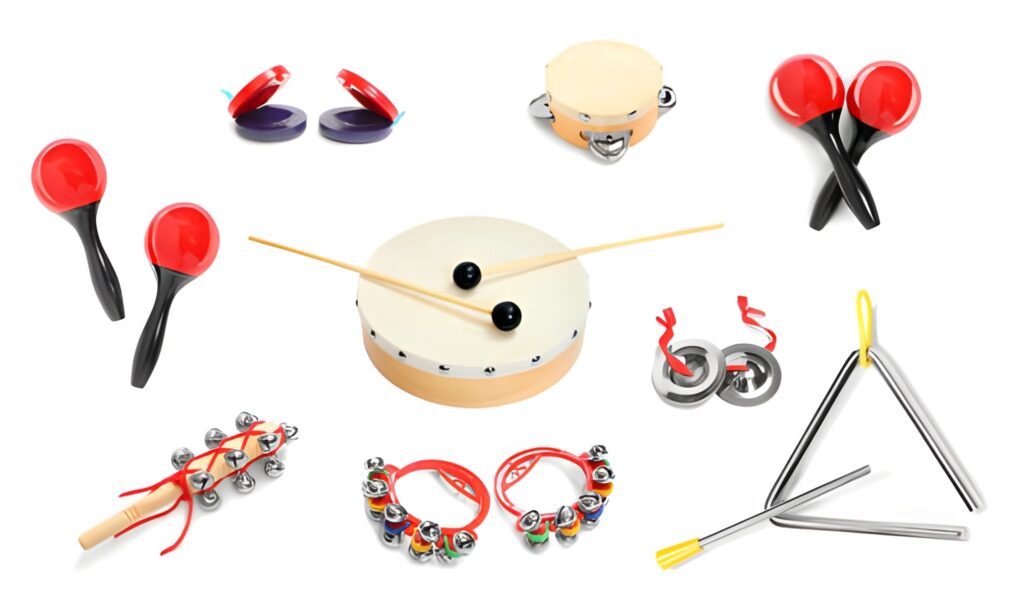
10 Essential Props for an Early Childhood Music Center

10 Essential Props for an Early Childhood Music Center: Enhancing Learning Through Sound and Play

A well-equipped music center in early childhood classrooms fosters creativity, rhythm, coordination, and cognitive development. Music activities support language development, social skills, and emotional expression. The right props not only make learning enjoyable but also cater to diverse developmental needs, encouraging children to explore sound, movement, and musical concepts. This article presents ten essential props

10 Essential Props for an Early Childhood Music Center: Enhancing Learning Through Sound and Play Read More »

10 Essential Facts About Early Childhood Education

10 Essential Facts About Early Childhood Education: Insights for Parents, Educators, and Policymakers

Early Childhood Education (ECE) lays the foundation for a child’s cognitive, social, and emotional development. It encompasses learning experiences for children from birth to around eight years old and includes preschool, pre-kindergarten, and early elementary programs. Understanding the key facts about ECE helps parents make informed decisions, guides educators in implementing effective practices, and informs

10 Essential Facts About Early Childhood Education: Insights for Parents, Educators, and Policymakers Read More »

10 Early Signs and Symptoms of Childhood Apraxia of Speech A Comprehensive Guide for Parents and Educators

10 Early Signs and Symptoms of Childhood Apraxia of Speech: A Comprehensive Guide for Parents and Educators

Childhood Apraxia of Speech (CAS) is a neurological speech disorder that affects a child’s ability to plan and coordinate the precise movements necessary for speech. Unlike articulation disorders caused by muscle weakness, children with CAS have difficulty programming the brain to direct the movements of the lips, tongue, and jaw to produce sounds accurately. Early

10 Early Signs and Symptoms of Childhood Apraxia of Speech: A Comprehensive Guide for Parents and Educators Read More »

10 Early Childhood Careers

Exploring 10 Early Childhood Careers: Opportunities, Pathways, and Impact

Early childhood education (ECE) is a critical field that lays the foundation for lifelong learning, social development, and emotional well-being. Careers in early childhood are diverse, spanning educational, developmental, and administrative roles that cater to children from birth to around age eight. These careers not only shape young minds but also provide rewarding professional opportunities.

Exploring 10 Early Childhood Careers: Opportunities, Pathways, and Impact Read More »

10 Core Concepts in Early Childhood Education

Understanding the 10 Core Concepts in Early Childhood Education

Early childhood is a foundational stage of human development, spanning from birth to around eight years of age. During this period, children acquire the essential skills, knowledge, and attitudes that shape their future learning, social interactions, and overall well-being. Early childhood education focuses on nurturing these abilities through developmentally appropriate experiences. Central to this field

Understanding the 10 Core Concepts in Early Childhood Education Read More »

Comprehensive Guide to 1-Year Early Childhood Education Programs

Comprehensive Guide to 1-Year Early Childhood Education Programs

Early childhood education plays a pivotal role in a child’s growth and development, providing the foundation for learning, socialization, and emotional well-being. A 1-year early childhood education program typically targets children aged 2 to 3 years or 3 to 4 years, depending on the program structure, and focuses on preparing them for more structured preschool

Comprehensive Guide to 1-Year Early Childhood Education Programs Read More »