11 Types of Observations in Early Child Development

11 Types of Observations in Early Child Development

Observation is a critical tool in early childhood education, allowing caregivers and educators to understand a child’s development, learning style, strengths, and areas needing support. Effective observation informs lesson planning, individualized support, and assessment of developmental milestones. There are several types of observation methods commonly used in early child development. Here are 11 key types: […]

11 Types of Observations in Early Child Development Read More »

11-Year-Old Child Development

11-Year-Old Child Development: The Five Key Domains

At around age 11, children are in the pre-adolescent stage, experiencing growth and changes across multiple areas of development. To understand and support their overall growth, professionals often categorize development into five key domains: physical, cognitive, social, emotional, and language. Each domain reflects specific milestones and skills typical for this age group. 1. Physical DevelopmentPhysical

11-Year-Old Child Development: The Five Key Domains Read More »

10–12 Year Old Child Development

10–12 Year Old Child Development: Understanding Pre-Adolescence

Children between the ages of 10 and 12 are in the pre-adolescent stage, sometimes called “tweens.” This period involves rapid physical, cognitive, emotional, and social development, laying the foundation for adolescence. Understanding these developmental changes helps parents, teachers, and caregivers support children effectively in learning, social interactions, and personal growth. 1. Physical DevelopmentAt ages 10–12,

10–12 Year Old Child Development: Understanding Pre-Adolescence Read More »

4-Year-Old Preschool Readiness Checklist

4-Year-Old Preschool Readiness Checklist: Preparing Children for School Success

Preschool readiness at age four involves a combination of social, emotional, cognitive, language, and physical skills. Children who meet these readiness milestones are better equipped to participate in classroom routines, interact positively with peers, and engage in structured learning activities. Below is a comprehensive checklist to assess preschool readiness for 4-year-olds. 1. Social and Emotional

4-Year-Old Preschool Readiness Checklist: Preparing Children for School Success Read More »

4-Year-Old Preschool Lesson Plans

4-Year-Old Preschool Lesson Plans: Structured Learning for Early Development

Lesson planning for 4-year-old preschoolers focuses on developing cognitive, social, emotional, language, and physical skills through hands-on, engaging, and age-appropriate activities. At this stage, children are curious, imaginative, and increasingly independent, making it essential to provide structured activities that balance learning and play. Sample Weekly 4-Year-Old Preschool Lesson Plan Day Theme/Focus Activities Skills Developed Monday

4-Year-Old Preschool Lesson Plans: Structured Learning for Early Development Read More »

4-Year-Old Preschool Daily Schedule

4-Year-Old Preschool Daily Schedule: Structure for Learning, Play, and Development

A well-structured daily schedule for 4-year-old preschoolers helps balance learning, creativity, physical activity, and rest while promoting independence, social skills, and developmental growth. At this age, children thrive on predictability and routine, which provides security and supports emotional regulation. Sample 4-Year-Old Preschool Daily Schedule Time Activity Purpose/Skills Developed 8:30–9:00 AM Arrival & Free Play Social

4-Year-Old Preschool Daily Schedule: Structure for Learning, Play, and Development Read More »

4 Key Physical Milestones for Preschoolers

4 Key Physical Milestones for Preschoolers: Growth and Development Overview

Physical development in preschoolers (ages 3–5) is crucial for building gross and fine motor skills, coordination, balance, and overall health. At this stage, children gain independence in movement, refine their motor skills, and develop the physical foundation necessary for later academic, social, and recreational activities. Here are four major physical milestones preschoolers typically achieve: 1.

4 Key Physical Milestones for Preschoolers: Growth and Development Overview Read More »

4th of July Activities for Preschoolers

4th of July Activities for Preschoolers: Fun, Educational, and Patriotic

Celebrating the 4th of July with preschoolers provides an opportunity to introduce American history, symbols, and traditions in a fun, age-appropriate way. Activities for this age group should focus on hands-on learning, creativity, sensory exploration, and simple patriotic concepts. 1. Red, White, and Blue Crafts 2. Sensory Play Activities 3. Storytime and Literacy Activities 4.

4th of July Activities for Preschoolers: Fun, Educational, and Patriotic Read More »

3D Flower Crafts for Preschoolers

3D Flower Crafts for Preschoolers: Creative and Hands-On Learning

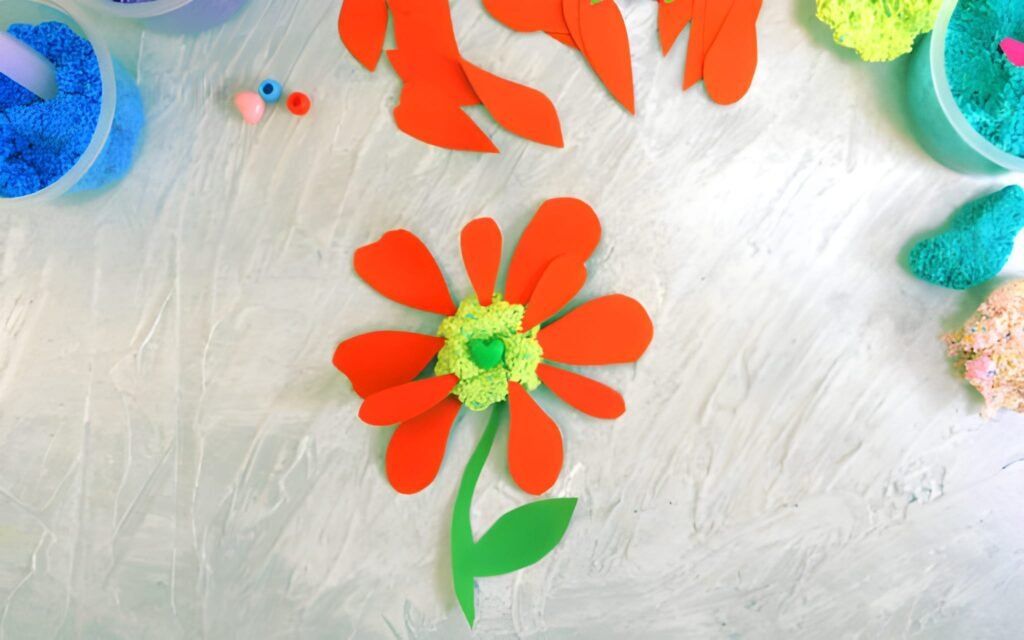
3D flower crafts are a fun, hands-on activity for preschoolers that combine creativity, fine motor skill development, and early science concepts. Making flowers in three dimensions allows children to explore shapes, colors, textures, and spatial awareness while expressing themselves artistically. Materials Needed: Step-by-Step Instructions: 1. Tissue Paper Flower: 2. Construction Paper Flower: 3. Cupcake Liner

3D Flower Crafts for Preschoolers: Creative and Hands-On Learning Read More »

3D Crafts for Preschool

3D Crafts for Preschool: Engaging Hands-On Learning Activities

3D crafts for preschoolers provide hands-on, interactive learning experiences that encourage creativity, fine motor skills, spatial awareness, and problem-solving. At age three, children benefit from tactile exploration, open-ended play, and imaginative activities, making 3D crafts an ideal way to integrate art, science, and early STEM concepts. 1. Clay or Playdough Sculptures 2. Papier-Mâché Projects 3.

3D Crafts for Preschool: Engaging Hands-On Learning Activities Read More »