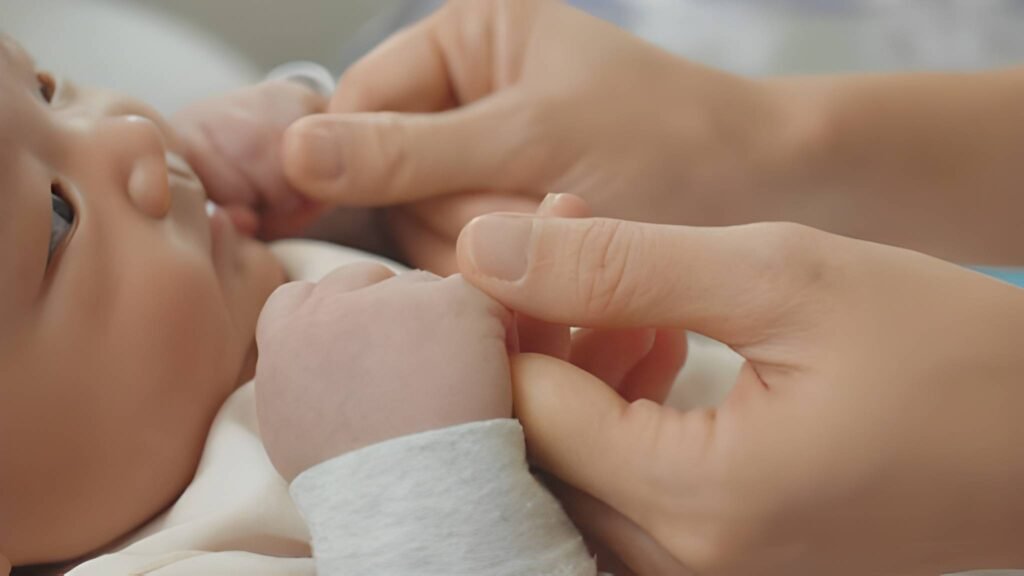
Every year, the world witnesses millions of births, yet a significant number of infants face life-threatening challenges within their first 28 days. This period, known as the neonatal phase, remains the most vulnerable time in a human being's life. To address these vulnerabilities, healthcare experts advocate for a continuum of care. This framework does not treat birth as an isolated event but rather as a series of interconnected stages spanning from before conception through the early weeks of life. When these links remain strong, survival rates soar. When a link breaks, the risk to both mother and child escalates dramatically.
Understanding the Continuum Concept
The continuum of care relies on two dimensions. The first dimension is time, following the journey from adolescence and preconception through pregnancy, childbirth, and the postnatal period. The second dimension is place, ensuring that families can access care at the household, community, and clinical levels. Integration serves as the engine of this model. Instead of fragmented programs targeting single diseases, the continuum focuses on the whole person through a seamless transition of services.
Neonatal deaths account for nearly 47% of all deaths in children under five. Global health data indicates that roughly 75% of these deaths occur during the first week of life, with about 1 million newborns dying within their first 24 hours. The continuum of care directly targets this window of extreme vulnerability.
Stage One: Preconception and Pregnancy
Newborn health begins long before the first breath. A mother's nutritional status, age, and general health dictate the environment in which a fetus develops. Interventions during the preconception phase include providing folic acid supplementation, managing chronic conditions like diabetes or hypertension, and ensuring adequate spacing between pregnancies. Once pregnancy begins, antenatal care (ANC) becomes the primary vehicle for monitoring progress.
The Power of Antenatal Care
Quality antenatal care provides more than just a check-up. It serves as a platform for health promotion, screening, and diagnosis. Through ANC, healthcare providers identify complications such as pre-eclampsia early, preventing premature births—a leading cause of neonatal mortality. Current guidelines suggest a minimum of eight contacts with the healthcare system during pregnancy to ensure comprehensive monitoring.
Reduces the risk of neural tube defects by over 70% and prevents maternal anemia, which is linked to low birth weight.
Eliminates neonatal tetanus, a once-common cause of death in settings with poor hygiene during delivery.
Stage Two: Skilled Attendance at Birth
The moment of delivery represents the highest risk for both mother and child. Skilled birth attendance, characterized by the presence of a trained midwife, nurse, or doctor, can manage the "three delays" that often lead to tragedy: the delay in seeking care, the delay in reaching a facility, and the delay in receiving adequate treatment once at the facility.
Clean Delivery: Using sterile equipment to prevent sepsis, which accounts for a significant portion of newborn deaths.
Thermal Protection: Keeping the baby warm immediately after birth through skin-to-skin contact (Kangaroo Mother Care) to prevent hypothermia.
Immediate Resuscitation: Providing basic assistance to babies who do not breathe immediately upon birth, often referred to as "Helping Babies Breathe."
In the United States, while hospital births are the standard, disparities in the quality of care continue to affect outcomes. Rural populations often face "maternity deserts," where the nearest obstetric unit may be hours away. Strengthening the continuum here requires mobile health units, telemedicine, and robust emergency transport systems that ensure a mother can reach surgical care if an emergency Cesarean section becomes necessary.
Stage Three: The Critical Postnatal Window
Once a baby is born, the focus often shifts entirely to the infant, yet the mother remains at risk for hemorrhage and infection. Simultaneously, the newborn must navigate the transition to extrauterine life. The postnatal period—specifically the first two days—is when most neonatal lives are saved or lost. Home visits by community health workers have proven highly effective in bridging this gap, especially in underserved regions.
Essential Newborn Care (ENC)
ENC consists of a package of simple, low-cost interventions that require minimal technology but maximum consistency. These include delayed cord clamping, which increases iron stores in the infant, and early initiation of breastfeeding. Breast milk acts as the first "vaccine," providing essential antibodies that a newborn's immature immune system cannot yet produce.
The "Golden Hour" Strategy
The first hour after birth is termed the "Golden Hour." During this time, the goal is to stabilize the infant's temperature, establish a respiratory rhythm, and initiate the first feeding. Research shows that infants who receive skin-to-skin contact during this hour have more stable heart rates and better glucose regulation than those who are immediately whisked away for weighing and cleaning.
The Economic Reality of Neonatal Health
Investing in the continuum of care is not merely a moral imperative; it is an economic one. The long-term costs of neonatal complications—including cerebral palsy, chronic lung disease, and developmental delays—place a heavy burden on families and the national healthcare system. Preventing these issues through early intervention is significantly more cost-effective than intensive care treatments later.
| Condition | Prevention Strategy | Impact Score |
|---|---|---|
| Preterm Birth | Antenatal Corticosteroids | High |
| Birth Asphyxia | Basic Resuscitation Training | Very High |
| Sepsis | Chlorhexidine Cord Care | Moderate-High |
| Low Birth Weight | Kangaroo Mother Care | High |
Consider the impact of Kangaroo Mother Care (KMC). In a study of low-birth-weight infants, those receiving KMC had a 40% lower risk of mortality compared to those receiving conventional incubator care. In terms of healthcare spending, KMC requires almost no equipment, relying instead on the mother's body heat.
Average cost of 10 days in NICU: $30,000 to $50,000
Cost of comprehensive ANC and Skilled Birth Attendance: $1,500 to $3,500
Potential Savings Ratio: Approximately 15 to 1 per successfully prevented complication.
Implementing Change in Modern Healthcare
To truly save newborn lives, we must move beyond clinical walls. The continuum of care must reach into the home. This involves educating families on danger signs that require immediate medical attention. If a parent can recognize that a baby is lethargic, has a fever, or is breathing too fast, they can seek help before a condition becomes irreversible.
Furthermore, policy changes must support this continuum. In the United States, extending postpartum Medicaid coverage from 60 days to a full year is a vital step in ensuring mothers receive the mental and physical health support they need. When a mother thrives, her capacity to care for her newborn increases, reinforcing the survival cycle.
Innovation also plays a role. Wearable technology that monitors a newborn's temperature can alert parents in real-time if hypothermia sets in. However, high-tech solutions must complement, not replace, the foundational human elements of care: the skilled hands of a midwife, the watchful eye of a nurse, and the informed touch of a parent.
A Shared Responsibility
Saving newborn lives is a collective effort. It requires governments to fund healthcare infrastructure, communities to support new parents, and individuals to advocate for equitable access to services. As we look toward the future, the goal is clear: a world where every birth is safe, and every newborn has the opportunity to celebrate their first month of life and beyond. The year marks another pivotal moment where we can choose to strengthen these links or let them fray. By prioritizing the continuum of care, we invest in the very foundation of our future society.