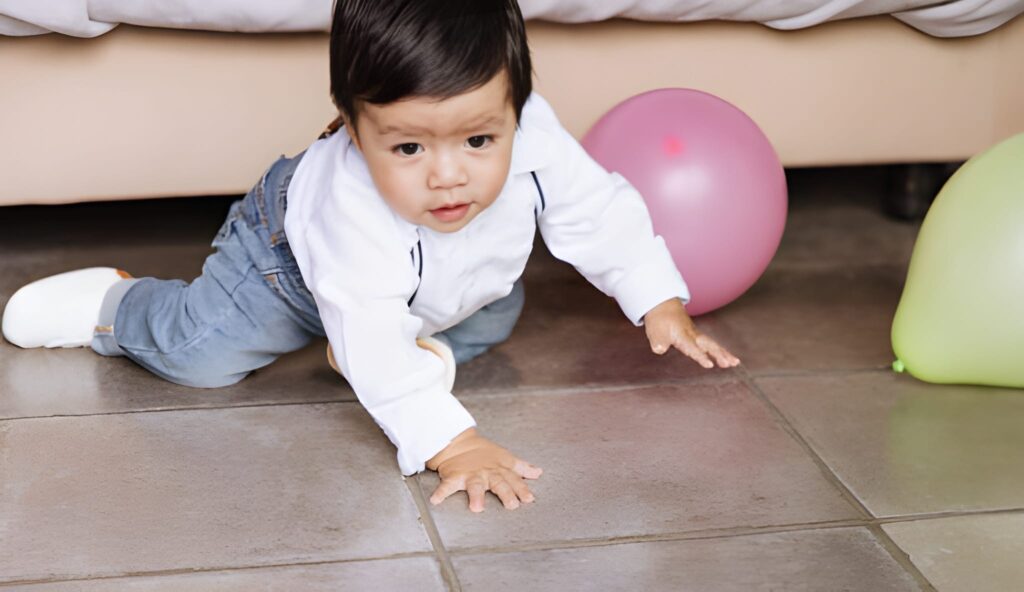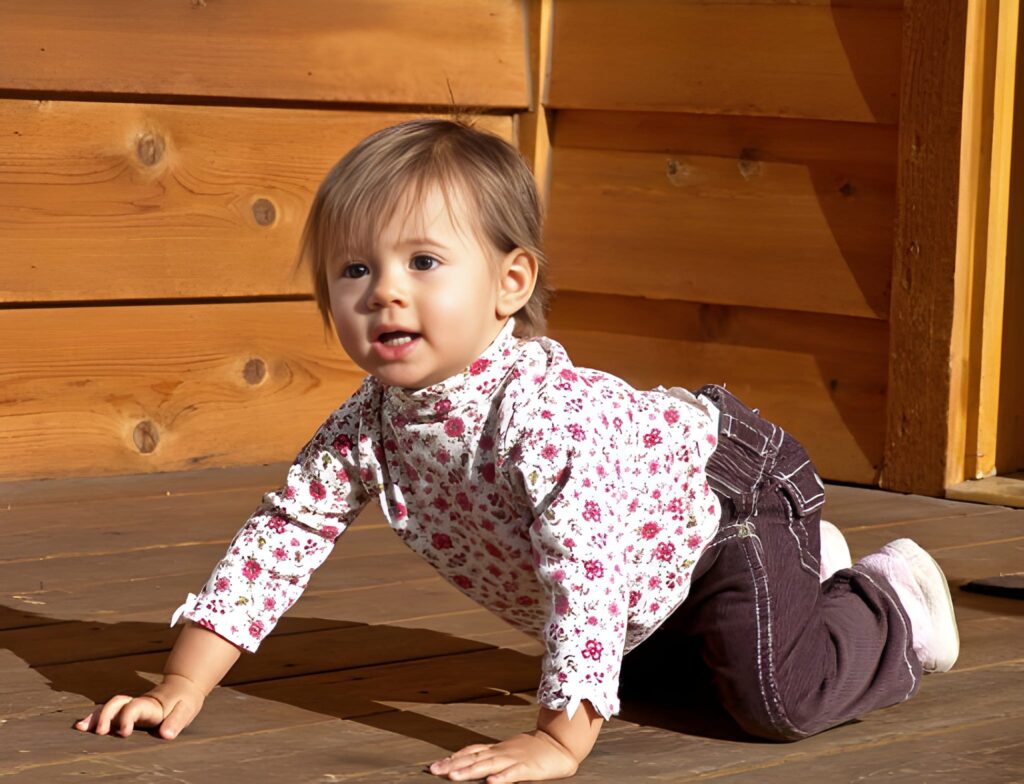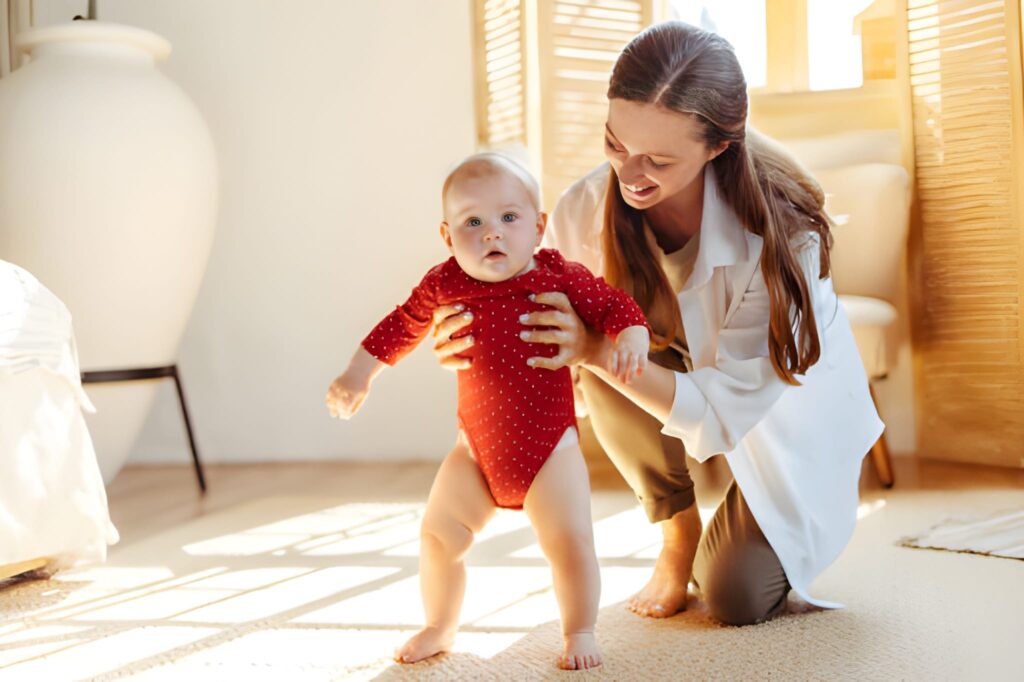
The first two years of life represent a period of rapid and remarkable growth in children, laying the foundation for future physical, cognitive, and emotional development. Infants double their birth weight by about five months and triple it by their first birthday, while their length increases by nearly 50% during the same period. Growth is multidimensional, encompassing physical growth, motor skill development, cognitive advancement, language acquisition, and social-emotional progress. Monitoring a child’s development during these early years is essential for identifying potential delays and providing timely interventions.
Physical Growth in the First Two Years
Physical growth in infancy and toddlerhood is characterized by rapid increases in weight, length, and head circumference, along with the gradual development of muscle mass and coordination.
| Age | Average Weight (lbs/kg) | Average Length/Height (in/cm) | Head Circumference (in/cm) |
|---|---|---|---|
| Birth | 7.5 lbs (3.4 kg) | 20 in (50 cm) | 14 in (35 cm) |
| 1 Month | 9.2 lbs (4.2 kg) | 21.5 in (54.5 cm) | 14.5 in (36.5 cm) |
| 3 Months | 12.3 lbs (5.6 kg) | 23.5 in (60 cm) | 15.5 in (39.5 cm) |
| 6 Months | 16 lbs (7.3 kg) | 26 in (66 cm) | 16.5 in (42 cm) |
| 9 Months | 18.5 lbs (8.4 kg) | 28 in (71 cm) | 17 in (43.5 cm) |
| 12 Months | 21.5 lbs (9.8 kg) | 29.5 in (75 cm) | 18 in (45.5 cm) |
| 18 Months | 25 lbs (11.3 kg) | 32 in (81.5 cm) | 18.5 in (47 cm) |
| 24 Months | 28 lbs (12.7 kg) | 34 in (86 cm) | 19 in (48 cm) |
Growth during this period is uneven, with infants experiencing growth spurts where weight and length increase rapidly over a few days or weeks. Adequate nutrition—breast milk or formula initially, followed by age-appropriate solid foods—is critical to support these surges.
Motor Development
Motor milestones reflect the maturation of both gross and fine motor skills. Gross motor skills involve large muscle movements, while fine motor skills involve precise hand and finger coordination.
| Age | Gross Motor Skills | Fine Motor Skills |
|---|---|---|
| 1 Month | Lifts head briefly when prone | Hands mostly closed, grasp reflex |
| 3 Months | Raises chest when prone, better head control | Opens hands more, swipes at objects |
| 6 Months | Rolls over, sits with support | Reaches for objects, rakes objects with hands |
| 9 Months | Sits without support, crawls | Pincer grasp emerging, transfers objects between hands |
| 12 Months | Pulls to stand, walks with support | Picks up small objects, points with index finger |
| 18 Months | Walks independently, begins climbing | Scribbles, stacks 2–3 blocks |
| 24 Months | Runs, climbs stairs with assistance | Builds 4–6 block towers, uses spoon and cup effectively |
Cognitive Development
Cognitive growth is rapid during the first two years, with infants and toddlers developing problem-solving skills, memory, and early understanding of cause and effect.
| Age | Cognitive Milestones |
|---|---|
| 1–3 Months | Recognizes caregivers, tracks objects visually |
| 4–6 Months | Explores objects with hands and mouth, responds to own name |
| 6–9 Months | Finds partially hidden objects, understands object permanence |
| 9–12 Months | Uses simple gestures, understands basic commands |
| 12–18 Months | Explores independently, imitates adult behavior, solves simple problems |
| 18–24 Months | Begins pretend play, sorts objects by shape or color, understands daily routines |
Language Development
Language skills evolve from cooing to babbling to forming words and simple sentences.
| Age | Language Milestones |
|---|---|
| 0–3 Months | Cooing, responds to sounds |
| 4–6 Months | Babbling with consonant sounds |
| 6–9 Months | Recognizes simple words, uses repetitive sounds |
| 9–12 Months | First words like “mama” or “dada” |
| 12–18 Months | Vocabulary of 50+ words, uses gestures and simple phrases |
| 18–24 Months | Vocabulary expands to 200–300 words, begins two-word sentences |
Social and Emotional Development
Social and emotional skills include attachment, self-recognition, and early social interactions.
| Age | Social/Emotional Milestones |
|---|---|
| 0–3 Months | Smiles in response to caregiver, shows comfort or distress |
| 4–6 Months | Enjoys social play, recognizes familiar people |
| 6–9 Months | Stranger anxiety may develop, shows preference for caregivers |
| 9–12 Months | Expresses simple emotions, seeks comfort when distressed |
| 12–18 Months | Demonstrates independence, may have temper tantrums |
| 18–24 Months | Engages in parallel play, shows empathy, follows simple instructions |
Nutrition and Sleep
Adequate nutrition is critical during the first two years to support physical and cognitive development. Breastfeeding is recommended for the first six months, gradually introducing iron-rich solids around 6 months, and a variety of foods by 12–24 months. Sleep needs range from 14–17 hours per day for infants and 11–14 hours for toddlers, including naps, to support growth hormone release and brain development.
Monitoring Growth and Development
Pediatricians track growth using standardized weight-for-age, length/height-for-age, and head circumference charts. Regular check-ups ensure that children follow normal growth trajectories and meet developmental milestones. Early detection of growth delays or developmental concerns allows for timely intervention.
Conclusion
The first two years of life encompass rapid, multidimensional growth, including physical, motor, cognitive, language, and social-emotional development. Tracking a child’s growth and milestones during this period is critical to ensuring optimal health and development. Adequate nutrition, sufficient sleep, age-appropriate stimulation, and regular pediatric monitoring support children in reaching their full potential during this foundational stage.