Decoding 10 DPO: Understanding Positive and Negative Pregnancy Test Results
At 10 Days Post Ovulation, biological testing is highly sensitive. We analyze why you might receive mixed results and what each outcome potentially means.
The Biology of Early Testing: Why 10 DPO is a Threshold
Ten days past ovulation is typically considered the earliest feasible day to detect a pregnancy. Implantation, the process where the fertilized egg attaches to the uterine wall, usually occurs between 6 and 12 DPO. Only after implantation begins does the body start producing the hormone Human Chorionic Gonadotropin (hCG), which pregnancy tests detect.
Analyzing Mixed Results: Positive and Negative at 10 DPO
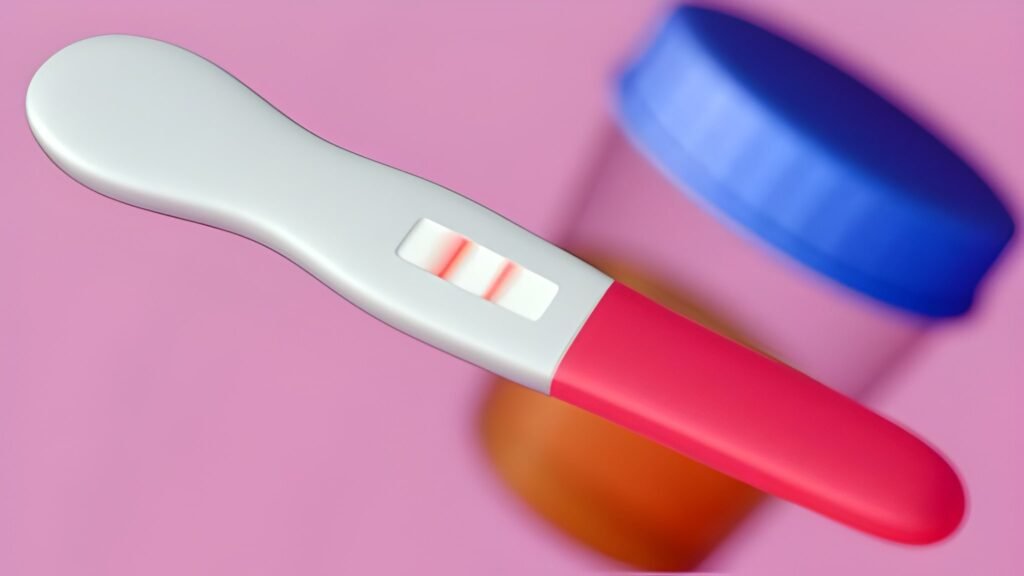
Receiving a faint positive and a clear negative on the same day or within 24 hours is confusing, but usually points to one of three issues related to the test's **sensitivity** or the timing of the urine sample.
Test Sensitivity Comparison (mIU/mL)
| Test Category | Sensitivity (mIU/mL) | Why It Matters at 10 DPO |
|---|---|---|
| High Sensitivity (Early Result) | 10 - 25 mIU/mL | Can detect the lowest levels of hCG, leading to a faint positive line. |
| Standard Sensitivity | 40 - 50 mIU/mL | Needs significantly more hCG, resulting in a false negative at 10 DPO. |
| Digital Tests | 25 - 50 mIU/mL (Variable) | Often less sensitive than the most popular early result lines, leading to a "Not Pregnant" reading. |
Three Reasons for Mixed Results at 10 DPO
Your early positive likely came from a high-sensitivity test (e.g., 10 mIU/mL) using concentrated urine (first morning urine). Your negative likely came from a **lower-sensitivity test** (e.g., 40 mIU/mL) or a sample taken later in the day after drinking fluids, diluting the already low hCG. At 10 DPO, hCG levels are doubling every 48 hours, so slight variations in timing severely affect results.
A true positive line appears within the test's specified time window (usually 3-5 minutes). An **evaporation line** is a faint, colorless streak that appears much later (e.g., 10 minutes or more) as the urine dries. This is not a positive result and can be mistaken for a faint positive, leading to the confusing "positive-negative" pattern when confirmed later.
A **chemical pregnancy** occurs when implantation happens, triggering hCG production, but the pregnancy stops developing shortly thereafter (often before 5 weeks). The test becomes positive due to the initial hCG spike, but subsequent tests become negative as hCG rapidly drops. This is the most common form of early pregnancy loss, often occurring before a period is even missed.
Next Steps and Confirmation Strategy
When facing mixed results at 10 DPO, the best course of action is patience and retesting.
- Wait and Retest: Wait at least 48 to 72 hours before testing again. This allows your hCG level, if the pregnancy is viable, to double significantly.
- Use the Same Test Brand: Sticking to the same highly sensitive test brand and type will provide the clearest comparison of line progression.
- Consultation: If the confusion persists past the date of your expected period, schedule a quantitative hCG blood test with your healthcare provider. This is the most accurate measure, as it determines the exact concentration of the hormone, confirming whether the levels are rising or falling.