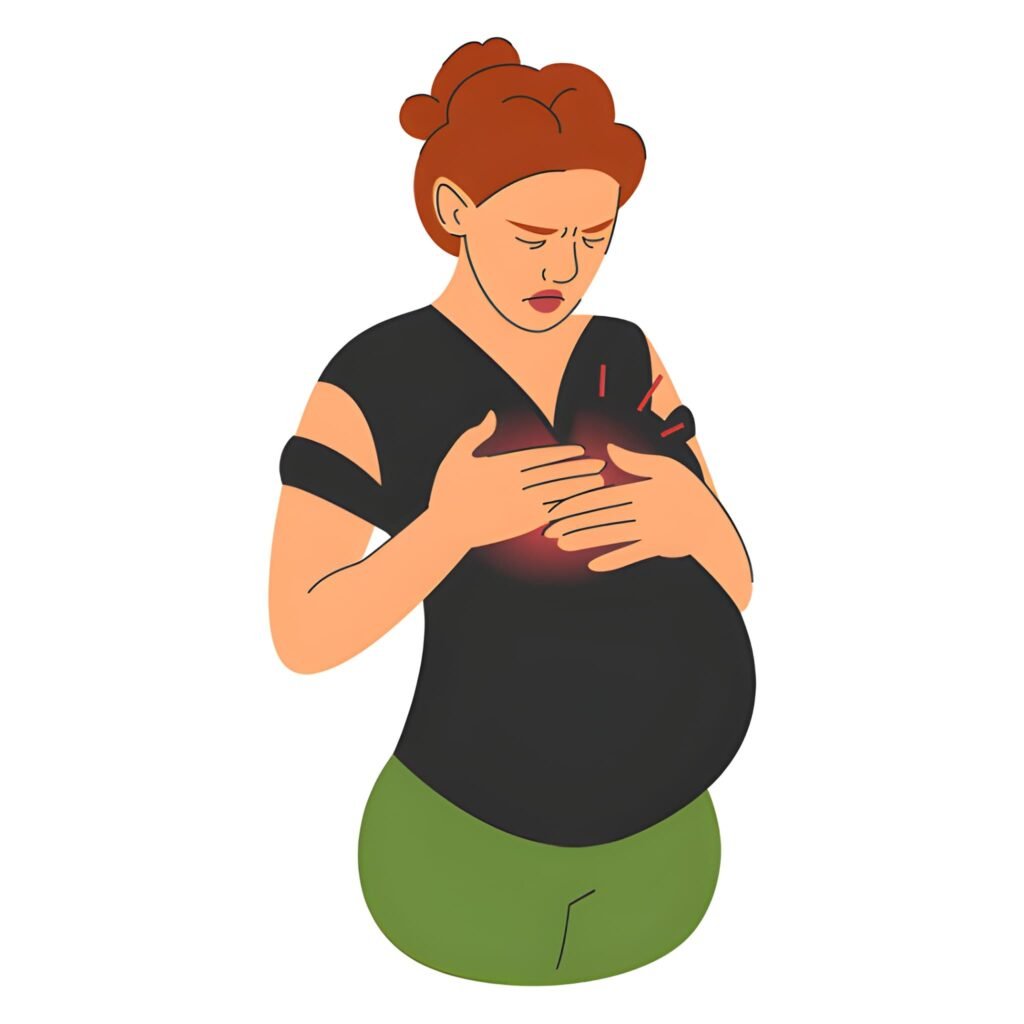
Fiery Breastfeeding Pain: A Specialist Guide to Mastitis and Inflammation
Addressing the "fire" of mammary inflammation with precision and care.
Breastfeeding represents a physiological masterpiece, yet many individuals encounter a sensation they describe as a "letter of fire" or an intense, radiating heat within the mammary tissue. This specific quality of pain serves as a significant clinical marker. It indicates that the normal breastfeeding process has transitioned into a state of inflammation or infection. To the mother, the "fire" feels all-consuming, often leading to a premature desire to terminate breastfeeding. As a specialist, my role involves identifying the exact source of this inflammation—whether it stems from bacterial stasis, fungal overgrowth, or vascular restriction—and implementing a targeted protocol to quench the pain while preserving the breastfeeding relationship.
Defining the Fiery Sensation
When a patient describes a burning sensation, we must differentiate between localized nipple pain and deep, parenchymal heat. Localized burning often results from mechanical trauma or improper latch, where the friction of the infant's tongue damages the epidermis. However, deep "fire" suggests an internal immune response.
Burning pain usually indicates the involvement of C-fiber nociceptors. These nerve endings respond to chemical mediators of inflammation such as bradykinin, prostaglandins, and histamine. When milk stasis occurs or bacteria invade the ducts, the surrounding tissue becomes engorged and releases these chemicals. This process alerts the brain via a persistent, burning signal, essentially acting as the body's alarm system for tissue distress.
Mastitis: The Acute Inflammatory Fire
Mastitis stands as the most common cause of the "fiery" breast. It is an inflammation of the breast tissue that may or may not involve a bacterial infection. The transition from a simple "clogged duct" to full mastitis represents an escalation of the inflammatory fire.
The Stages of Mastitis Progression
-
1
Ductal Compression (Milk Stasis): The fire starts as a small spark. A portion of the breast fails to drain effectively. The accumulated milk places pressure on the surrounding capillaries, initiating the inflammatory cascade.
-
2
Inflammatory Mastitis: The breast becomes visibly red, hot to the touch, and intensely painful. This is "sterile" inflammation where the body reacts to the leaked milk components in the interstitial space as if they were foreign invaders.
- 3
Bacterial Mastitis: Pathogens, typically Staphylococcus aureus, enter through a cracked nipple or exploit the stasis. Now, the fire is fueled by infection. Systemic symptoms like high fever (over 101.3°F), chills, and extreme body aches emerge.The 24-Hour Rule
If you experience a localized red, hot spot but feel otherwise well, prioritize frequent drainage and rest. However, if systemic "flu-like" symptoms or a high fever persist for more than 24 hours, medical intervention with antibiotics becomes mandatory to prevent the formation of an abscess.
Thrush: The Deep Stabbing Heat
Not all fire is the same. While mastitis feels like a heavy, hot weight, Mammary Candidiasis (thrush) presents as a sharp, shooting, "stabbing" fire. This condition involves an overgrowth of the yeast Candida albicans within the milk ducts.
Identifying the "Thrust" of Thrush
Patients with thrush often report the following specific sensations:
- Post-Feed Burn: The pain often intensifies after the baby finishes the feed, lasting for up to an hour.
- Shooting Pain: The sensation radiates from the nipple deep into the chest wall, often described as "hot needles" or "lightning bolts."
- Shiny Skin: The nipple and areola may appear unnaturally shiny, flaky, or bright pink, though they may also appear normal.
- Infant Signs: The baby may have white patches on the tongue or inner cheeks, or a persistent, red diaper rash.
Vasospasms: The Phenomenon of "Cold Fire"
Sometimes, the "fire" is actually a reaction to the cold. Raynaud’s Phenomenon of the nipple involves sudden vasospasms—the blood vessels constricting so tightly that they cut off circulation. This causes a searing, burning pain that occurs when the baby unlatches and the nipple meets the cooler room air.
The Visual Marker: BlanchingA definitive sign of vasospasm is the nipple turning white (blanching) immediately after feeding, followed by a transition to purple or blue, and finally a throbbing red as the blood returns. This "fire" is vascular, not infectious.
Comparative Diagnostic Criteria
Effective treatment requires an accurate diagnosis. Use the table below to compare the three primary causes of "fiery" breast pain.
Characteristic Mastitis Candidiasis (Thrush) Vasospasm Quality of Pain Aching, heavy, hot, localized. Burning, stabbing, shooting needles. Searing, nipping, burning. Timing Constant, worse during feed. Worst after the feed is over. Immediately when baby unlatches. Physical Signs Wedge-shaped red area, hot skin. Shiny, flaky, or bright pink skin. White, blanched nipple tip. Systemic Signs Fever, chills, extreme fatigue. None (typically). History of cold sensitivity. Fetal Connection Poor latch or missed feeds. Oral thrush or diaper rash. Compression due to poor latch. Specialist Management Strategies
Quenching the fire involves a multi-pronged approach that addresses the physical obstruction, the potential pathogen, and the maternal comfort level.
Quenching the Mastitis Fire: Protocol +Drainage: Continue breastfeeding or pumping every 2 hours. Do not stop breastfeeding; this is the most common cause of abscess formation. Start the feed on the affected side when possible to ensure maximum suction on the blockage.
Therapeutic Rest: Treat mastitis as a serious illness. Go to bed with the baby. Fluids and rest are as important as medication.
Anti-inflammatories: Ibuprofen is the specialist's choice, as it reduces the swelling that traps the milk, essentially "opening the fire gates" for drainage.
Extinguishing Thrush: Protocol +Dual Treatment: You must treat both the mother and the infant simultaneously, even if the infant is asymptomatic. Otherwise, the yeast will continue to cycle back and forth.
Antifungals: Topical Nystatin or Miconazole for the nipple, and an oral suspension for the baby. In persistent "deep fire" cases, a course of oral Fluconazole (Diflucan) is required for the mother.
Sanitization: Boil pacifiers, bottle nipples, and pump parts daily. Yeast can survive on surfaces for long periods.
Calming Vasospasms: Protocol +Heat Maintenance: Prevent the nipple from getting cold. Cover the breast immediately after unlatching. Use dry warmth (warm socks or heating pads) to encourage blood flow.
Magnesium/Calcium: Supplements of Magnesium and Calcium can stabilize the vascular response. In severe cases, a low-dose calcium channel blocker like Nifedipine may be prescribed.
Interactive: Fiery Pain Triage
Symptom Severity Assessment
Answer these three critical questions to determine the urgency of your situation.
Nutritional Support for Healing
Inflammation is a metabolically expensive process. To help your body "put out the fire," increase your intake of Vitamin C (for tissue repair) and Zinc. Consider a high-quality probiotic containing Lactobacillus fermentum or Lactobacillus salivarius. New clinical evidence suggests these specific strains can help restore the healthy mammary microbiome, out-competing the pathogens that cause mastitis and reducing the recurrence of fiery pain.
Red Flag: The Mammary Abscess
If the "fire" focuses into a singular, agonizing point that feels fluctuant (like it contains liquid) and the redness continues to spread despite antibiotics, an abscess may have formed. This requires a diagnostic ultrasound and likely a needle aspiration or surgical drainage. Do not delay if the pain becomes localized and pulsatile.
The "fire" in breastfeeding is a signal of physiological distress that requires respect and swift action. By systematically identifying whether your pain is infectious, fungal, or vascular, we can implement the correct cooling measures. Breastfeeding should not be an endurance test of pain. With the right management, the fiery sensations resolve, allowing the masterfully designed process of lactation to return to its intended state of comfort and connection.
- 3