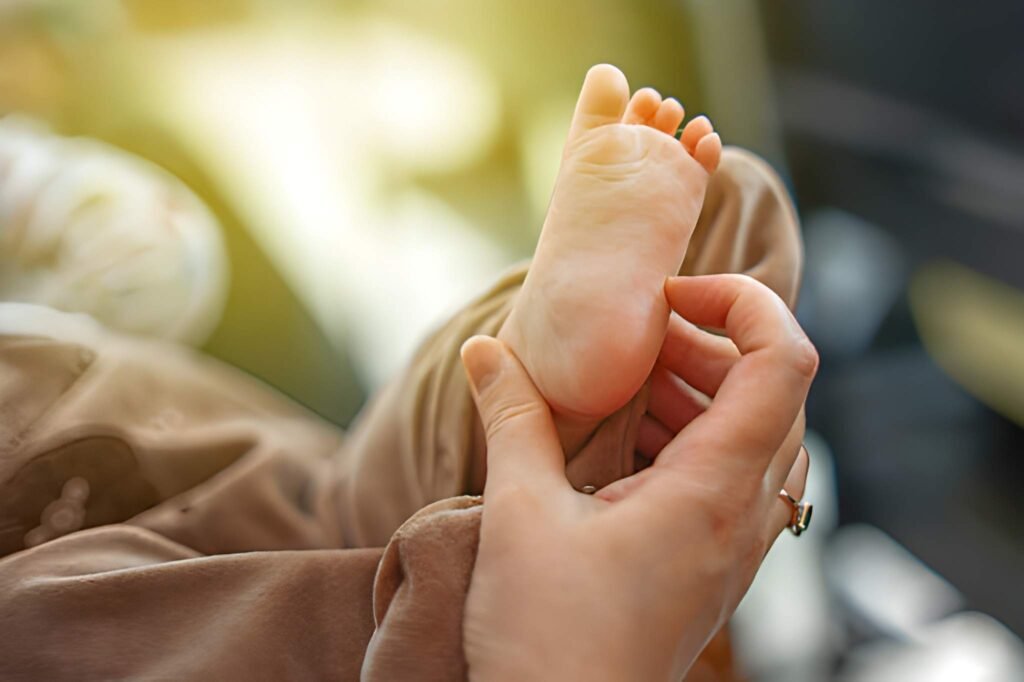
Gentle Transitions: Navigating the Heel Stick and Newborn Pain Response
Understanding the Heel Stick Procedure
Every newborn in the United States undergoes a series of essential screenings shortly after birth. The primary method for collecting blood for these tests is the heel stick. While necessary for identifying metabolic, endocrine, and genetic conditions, the procedure represents one of the first painful experiences for an infant. As a specialist, I encourage parents to view this not just as a medical requirement, but as an opportunity to provide the first layers of comfort and security to their child.
The procedure involves a small, spring-loaded lancet that makes a shallow puncture on the lateral or medial edges of the heel. Nurses then collect several drops of blood onto specialized filter paper. Although the puncture itself lasts only a fraction of a second, the squeezing required to collect the blood can cause prolonged discomfort for the newborn.
The Biology of Infant Pain
Historically, medical communities underestimated the newborn's capacity to feel pain. Modern neuroscience confirms that infants possess all the functional components required for pain perception. In fact, newborns may experience pain more intensely than older children because their inhibitory pathways—the biological systems that dampen pain signals—are not yet fully developed.
When a painful stimulus occurs, the infant's body releases stress hormones like cortisol and adrenaline. Their heart rate increases, and oxygen saturation may momentarily dip. These physiological shifts highlight why pain management is a clinical necessity, not just an emotional preference.
Decoding Behavioral Markers: How Infants Communicate
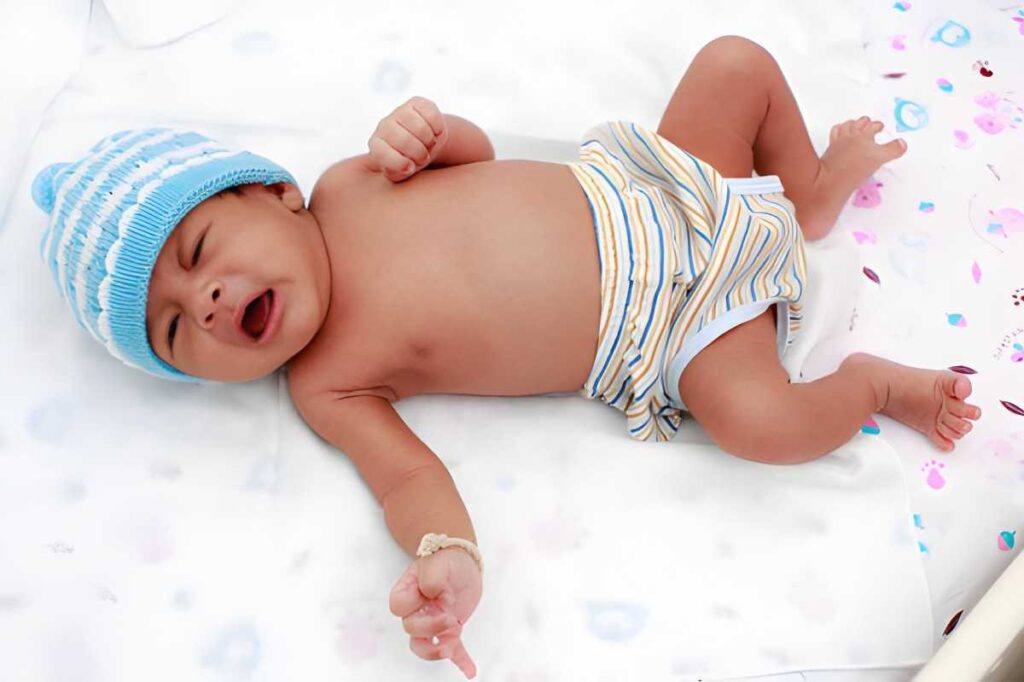
Since newborns cannot vocalize their distress through words, they rely on a sophisticated set of facial and bodily movements. Recognizing these cues allows parents and clinicians to respond more rapidly to the infant's needs.
| Category | High Distress Markers | Low/Moderate Distress |
|---|---|---|
| Facial Expression | Bulged brow, squeezed eyes, open square mouth | Tightened eyelids, slight grimace |
| Body Movement | Rigid limbs, arching back, splayed fingers | Fidgeting, pulling legs toward abdomen |
| Crying Pattern | High-pitched, urgent, breath-holding | Whimpering, intermittent fussing |
| State Change | Sudden awakening to hyper-alertness | Restlessness during sleep |
Physiological Shifts
In addition to behavior, the infant's autonomic nervous system reacts. You may notice the baby's skin color change to a deeper red or observe a slight sheen of perspiration on the forehead. These are the body's natural responses to an acute stressor. Providing a calm environment during these shifts helps the baby return to a state of homeostasis more quickly.
Pain Mitigation Strategies: Non-Pharmacological Comfort
Clinical research supports several non-pharmacological methods to significantly reduce the pain response during a heel stick. Many of these techniques can be performed by parents, which enhances the bonding process during a stressful moment.
Scoring Systems for Parents
Hospitals use standardized scales to objectively measure infant pain. While parents do not need to be clinicians, understanding the logic behind these scores helps you advocate for your child's comfort.
Clinicians assign points (0 or 1) across six categories. A total score above 3 typically indicates that the infant is experiencing pain that requires intervention.
- Facial Expression (0 = relaxed, 1 = grimace)
- Cry (0 = no cry, 1 = whimper, 2 = vigorous cry)
- Breathing Patterns (0 = relaxed, 1 = change in breathing)
- Arm Movements (0 = relaxed, 1 = flexed/extended)
- Leg Movements (0 = relaxed, 1 = flexed/extended)
- State of Arousal (0 = sleeping/calm, 1 = fussy)
Calculation Example: An infant with a grimace (1), vigorous cry (2), and rigid arms (1) would score a 4, signaling a clear need for soothing or sucrose.
Post-Procedure Comfort and Care
Once the blood collection concludes, the focus shifts to recovery and site care. The heel may remain tender for several hours, and a small bruise (hematoma) is common. Proper aftercare ensures the puncture site heals without complication.
Immediate Steps for Parents
Apply gentle, steady pressure with a clean gauze pad if the site continues to ooze. Avoid adhesive bandages if possible, as the removal process can be painful and irritating to delicate newborn skin. Instead, ensure the infant's sock or sleeper provides enough coverage to keep the area clean.
Monitor the heel for excessive redness, warmth, or swelling over the next 24 hours. While infections are extremely rare due to the sterile techniques used by nursing staff, staying observant is a core part of neonatal care.
Long-Term Neurodevelopment and Resilience
Parents often worry that early painful experiences will cause lasting psychological trauma. It is important to remember that the human brain is remarkably resilient. When a painful event occurs in the presence of a supportive caregiver, the infant learns that stress is followed by relief and comfort.
This cycle of "stress and support" actually builds the foundations of a healthy stress-response system. By being present, using skin-to-skin contact, and advocating for pain management, you are teaching your baby that the world—while occasionally uncomfortable—is fundamentally a safe place where their needs are met.
Advancements in
Medical guidelines in the current year continue to evolve toward "zero-pain" initiatives for elective procedures. Hospitals increasingly use laser-based lancets and improved topical anesthetics for older infants. For the newborn heel stick, the emphasis remains on the "Comfort Bundle"—a combination of sucrose, swaddling, and parental presence.