Glowing Safely: The Specialist’s Guide to Hydrafacials and Breastfeeding
Expert Insights by a Child and Mother Specialist | Updated
Expert Navigation
The postpartum period often leaves new mothers seeking restorative self-care. Between sleep deprivation and fluctuating hormones, the skin frequently exhibits signs of congestion, dryness, and hyperpigmentation. The Hydrafacial, a popular non-invasive resurfacing treatment, offers a tempting solution for a quick "glow." However, for the breastfeeding mother, a simple facial involves more than just relaxation. It requires a detailed analysis of chemical exfoliants, systemic absorption rates, and the metabolic impact on breast milk. As a maternal health specialist, I evaluate these treatments through the lens of infant safety and maternal physiological stability. While Hydrafacials are generally considered safe, specific modifications are non-negotiable to protect the integrity of the lactation relationship.
How Hydrafacial Technology Works
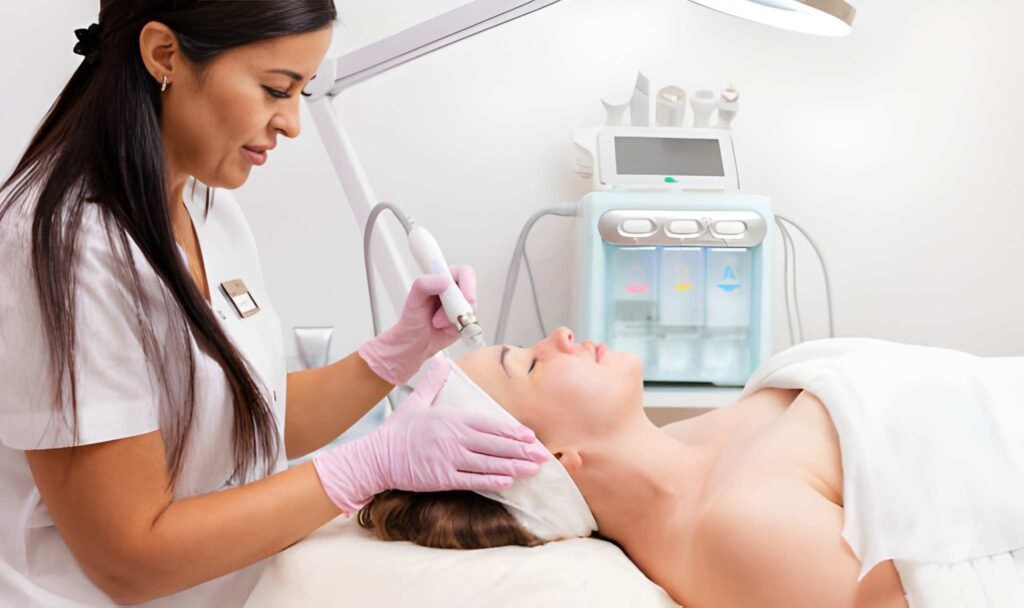
A Hydrafacial is a multi-step procedure that utilizes a patented Vortex-Fusion delivery system. Unlike traditional facials that rely on manual extraction, this technology performs a simultaneous process of cleansing, exfoliating, extracting, and hydrating. The device uses various "HydroPeel" tips that create a vacuum effect to remove impurities while infusing the skin with potent serums.
The primary concern during breastfeeding is not the vacuum suction or the physical exfoliation, but rather the chemical solutions used during the "Peel" and "Extract" phases. These solutions often contain Alpha Hydroxy Acids (AHAs) and Beta Hydroxy Acids (BHAs) which, although applied topically, must be vetted for their potential to enter the maternal bloodstream.
The Ingredient Safety Breakdown
Most Hydrafacial protocols involve a standardized set of serums. Understanding each component allows a mother to make an informed decision alongside her aesthetician.
Hyaluronic Acid
A naturally occurring substance in the human body. It provides deep hydration without any risk of systemic toxicity or milk transfer.
Glycolic Acid
An AHA derived from sugar cane. It stays primarily in the upper layers of the epidermis. Systemic absorption is negligible at the concentrations used in facials.
Salicylic Acid (BHA)
A derivative of aspirin. While low concentrations (under 2%) are typically safe, many specialists prefer to omit or limit BHA during the early months of breastfeeding.
Growth Factors & Boosters
Proprietary "boosters" may contain peptides or growth factors. Ensure these do not contain hydroquinone or high-strength retinoids.
Systemic Absorption and Milk Transfer
The transition from a topical liquid on the face to a molecule in breast milk is a complex journey. For a substance to reach the infant, it must first penetrate the stratum corneum (the outermost skin layer), enter the dermal capillaries, circulate through the mother's entire blood supply, and finally pass through the mammary epithelium into the milk.
Clinical data suggests that less than 1% of most topically applied AHAs and BHAs ever reach the maternal bloodstream. Furthermore, for a drug or chemical to be present in milk in significant quantities, it usually requires high maternal plasma concentrations. Because Hydrafacial applications are limited to a small surface area (the face and neck) and are rinsed off or neutralized quickly, the infant's exposure level remains near zero.
Standard vs. Nursing-Safe Hydrafacial Protocol
A professional medical spa should be willing to modify their standard operating procedure for a lactating client. The following table outlines the necessary adjustments.
| Phase | Standard Protocol | Nursing-Safe Modification |
|---|---|---|
| Cleansing | Activ-4 Serum (Glucosamine/Lactic Acid) | Maintain. Safe for use. |
| Peel | GlySal Peel (7.5% - 30% Glycolic/Salicylic) | Modify. Use 7.5% GlySal only or Glycolic-only. |
| Extraction | Beta-HD (Salicylic Acid/Honey) | Replace. Use a saline-based or water-based serum if possible. |
| Hydration | Antiox+ (Antioxidants/Peptides) | Maintain. Ensure no hydroquinone or retinoids. |
The Logic of Topical Application
To put the risk in perspective, specialists use the "Surface Area and Concentration" logic. Facial skin accounts for only about 3% to 4% of total body surface area. This limited application significantly restricts the potential for systemic toxicity.
The "Total Exposure" Calculation
Infant Exposure Risk = (Topical Concentration) x (Absorption Rate) x (Milk/Plasma Ratio)
For a 2% Salicylic Acid solution: (0.02) x (0.01 absorption) x (low M/P ratio) = Trace levels only.
Conclusion: Risk is statistically insignificant for single-session treatments.
Essential Treatment Modifications
Beyond the serums, there are practical steps a mother should take to ensure a safe experience.
- The "Pump and Dump" Myth: You do not need to discard milk after a Hydrafacial. The levels of ingredients that could possibly reach the milk are far below any threshold of clinical concern.
- Avoid Numbing Creams: Standard Hydrafacials do not require numbing. If a provider offers a lidocaine-based cream, decline it. Topical anesthetics have higher absorption rates and are better avoided while nursing.
- Nipple Protection: It sounds obvious, but ensure your aesthetician has clean hands and does not transfer any residue to your chest area during the post-treatment massage.
Clinical Frequently Asked Questions
Brightenol is generally safe as it relies on alpha-arbutin and Vitamin C. However, you must confirm that the specific formulation used by your spa does not contain hydroquinone, which is a skin-bleaching agent that should be strictly avoided during both pregnancy and breastfeeding.
No. LED light therapy uses specific wavelengths of light to target bacteria or stimulate collagen. It does not involve radiation or chemicals that enter the bloodstream or milk. It is considered 100% safe for breastfeeding mothers.
Physiologically, you can have one as soon as you feel comfortable lying on your back for 45 minutes. However, because postpartum skin can be hypersensitive due to estrogen drops, I recommend waiting until at least 6 weeks postpartum to ensure your skin doesn't react poorly to the exfoliation.
The Mother’s Pre-Treatment Checklist
- Inform the aesthetician: Explicitly state that you are breastfeeding.
- Request an ingredient list: Check for "Salicylic Acid" and its percentage.
- Decline Retinoids: Ensure no Retin-A or high-strength Vitamin A derivatives are used in the "Booster" phase.
- Hydrate: Drink 16 ounces of water before your treatment to maintain the fluid balance necessary for lactation.
- Cleanse: Wash your face and neck with mild soap before your next nursing session to remove any lingering surface residue the baby might touch.
In conclusion, a Hydrafacial can be a rewarding and safe component of a postpartum self-care routine. The key to safety lies in the modification of high-strength chemical peels and the avoidance of known systemic irritants like hydroquinone. By sticking to a protocol focused on glycolic acid and hyaluronic hydration, you can achieve a refreshed complexion without introducing risks to your nursing infant. Always prioritize providers who operate in a medical setting or have documented experience with prenatal and postpartum clients. Your "glow" should never come at the expense of your peace of mind.