A specialist's clinical guide to the biological mechanics, ergonomic positions, and proactive solutions for a successful nursing journey.
Article Contents
- Biological Mechanics: The Supply and Demand Loop
- The Perfect Latch: Signs, Symbols, and Sensations
- Nursing Ergonomics: A Comparison of Positions
- Maternal Support: Nutrition and Hydration
- Clinical Troubleshooting: Nipple Pain to Mastitis
- The US Landscape: PUMP Act and Return to Work
- Confidence in Biological Capability
Biological Mechanics: The Supply and Demand Loop
Breastfeeding is a marvel of biological engineering governed by a rigorous feedback system involving the endocrine and neurological pathways. The process begins during pregnancy, but the true transition occurs in the "Golden Hour" immediately following birth. Understanding the shift from hormonal control to autocrine (local) control is essential for long-term breastfeeding success.
The Hormonal Surge: Prolactin and Oxytocin
Two primary hormones drive the nursing bond. Prolactin, often called the mothering hormone, is responsible for milk synthesis. Each time an infant sucks at the breast, it signals the pituitary gland to release prolactin, preparing the next "meal." Oxytocin, the bonding hormone, triggers the let-down reflex (milk ejection). It causes the small muscles around the milk-producing glands to contract, pushing milk into the ducts for the baby to access.
The Perfect Latch: Signs, Symbols, and Sensations
The foundation of comfortable breastfeeding is the latch. A shallow latch is the leading cause of maternal nipple trauma and insufficient infant weight gain. As a specialist, I look for a deep, asymmetrical latch where more of the lower part of the areola is in the baby's mouth than the top.
Signs of a Successful Latch
- Chin Tucked: The baby's chin should be pressed firmly against the breast, while the nose remains slightly away to allow breathing.
- Flanged Lips: Both the upper and lower lips should be rolled outward (fish lips), not tucked in.
- Wide Angle: The baby's mouth should be opened to at least 140 degrees before attaching.
- Audible Swallows: Once the milk has come in, you should hear a "kuh" sound, indicating a swallow, usually following 1 to 2 sucks.
Table: Distinguishing a Deep Latch from a Shallow Latch
| Observation | Shallow Latch (Adjustment Needed) | Deep Latch (Goal) |
|---|---|---|
| Sensation | Sharp, pinching pain throughout the feed. | Initial tugging, then comfortable rhythmic pull. |
| Nipple Shape Post-Feed | Flattened, wedged, or blanched (white). | Rounded and elongated; same color as before. |
| Sound | Clicking or smacking noises. | Deep, rhythmic swallowing sounds. |
| Breast Comfort | Breast feels heavy or hard after nursing. | Breast feels significantly softer and lighter. |
Nursing Ergonomics: A Comparison of Positions
Ergonomics are as important for the mother as they are for the baby. If the mother is hunched or strained, oxytocin release is inhibited by the stress response (cortisol). Using varied positions helps ensure all milk ducts are emptied efficiently, preventing clogs.
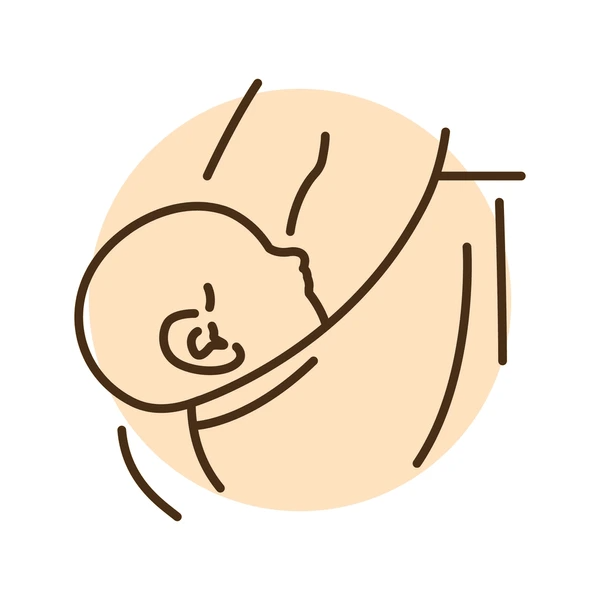
Ideal for newborns and those learning the latch. You support the baby's body with the arm opposite to the breast you are using. Your hand supports the base of the baby's head, giving you maximum control over the angle of the head and the precision of the latch. Use a nursing pillow to bring the baby up to nipple height so you do not lean forward.
Excellent for mothers recovering from a Cesarean section or those with large breasts. The baby is tucked under your arm (like a football) on the same side you are nursing from. This keeps the baby's weight off your abdominal incision and allows you to clearly see the baby's mouth and nose during the latching process.
A favorite for night feedings and managing fatigue. Both mother and baby lie on their sides facing each other. This allows the mother to rest while the baby nurses. Safety Note: Ensure the sleep surface is firm and free of heavy blankets or pillows that could pose a suffocation risk to the infant if the mother falls asleep.
Maternal Wellness: Nutrition and Hydration
The lactating body has nutritional requirements that often exceed those of pregnancy. To maintain a robust milk supply and preserve maternal health, energy intake must be deliberate.
The Lactation Energy Calculation
The average mother requires significant extra energy to produce approximately 25 to 30 ounces of milk daily.
Example: If your baseline is 2,000 calories, your goal while nursing is 2,500 nutrient-dense calories.
Essential Nutrients for the Nursing Mother
- Choline: Vital for the baby's brain development and maternal memory. Found in eggs and liver.
- Omega-3 Fatty Acids (DHA): Transferred directly into milk for the infant's retinal and neurological health.
- Iodine: Essential for infant thyroid function. Ensure you use iodized salt or consume seaweed/seafood.
- Hydration: Drink to thirst. A common specialist tip is to drink one full glass of water every single time you sit down to nurse.
Clinical Troubleshooting: Nipple Pain to Mastitis
While breastfeeding is a natural process, it is also a learned skill that can encounter physiological hurdles. Early identification of these issues prevents early weaning and systemic illness.
1. Nipple Soreness and Trauma
While mild sensitivity is common in the first week, cracked, bleeding, or blistering nipples are never normal. They usually indicate a latch issue or an infant oral restriction (like tongue-tie). Use medical-grade lanolin or expressed breast milk on the area and seek a consultation with an IBCLC immediately.
2. Engorgement
Occurring typically between days 3 and 5, engorgement is the overfilling of the breasts with milk, blood, and lymphatic fluid. It can make the breast so hard that the baby cannot latch. Use "Reverse Pressure Softening" (pushing back on the areola) to soften the area before attempting a latch.
3. Mastitis: The Clinical Red Flag
Mastitis is an inflammation of the breast tissue that may involve an infection. It is a medical emergency that requires prompt intervention to prevent abscess formation.
- ● Fever over 101.3 degrees Fahrenheit.
- ● Flu-like symptoms (chills, body aches, extreme fatigue).
- ● A wedge-shaped red, hot, or painful area on the breast.
- ● Streaks of red extending from the affected area.
The US Landscape: PUMP Act and Return to Work
Socioeconomic factors in the United States present unique challenges to the nursing mother. With the lack of federal paid maternity leave, many mothers return to work while still establishing their milk supply. Understanding your legal rights is critical for protecting the breastfeeding relationship.
The PUMP for Nursing Mothers Act
The PUMP Act (Providing Urgent Maternal Protections) expanded federal law to ensure that nearly all nursing employees have the right to break time and a private space to pump at work. This space cannot be a bathroom. It must be shielded from view and free from intrusion by coworkers and the public.
Milk Storage Rules for the Working Mother
| Storage Location | Temperature | Maximum Duration |
|---|---|---|
| Room Temperature | Up to 77°F | 4 Hours (Best) up to 6 Hours |
| Insulated Cooler Bag | With ice packs | 24 Hours |
| Refrigerator | Approx 40°F | 4 Days |
| Standard Freezer | 0°F or colder | 6 Months (Best) up to 12 Months |
Confidence in Biological Capability
The decision to breastfeed is a commitment to a profound biological partnership. While the journey may present hurdles—from the technical precision of the initial latch to the logistical demands of the workplace—your body is equipped with a sophisticated and resilient system designed to nourish and protect your child. By prioritizing your own nutritional health, utilizing diverse nursing positions to ensure comfort, and leveraging the legal protections available to you, you secure the best possible environment for this bond to flourish. Trust your instincts, seek expert clinical support when pain arises, and honor the spectacular physiological work your body performs every day.