Understanding the hormonal shifts and environmental triggers that can make headaches a common, yet manageable, challenge in early pregnancy.
Article Navigation
The Headache Phenomenon: Primary and Secondary Causes
Headaches are one of the most frequently reported complaints during the first trimester of pregnancy. For many women, this discomfort is a new experience, or it represents a significant change in the pattern of pre-existing migraines. Understanding the root cause—which is often the body's rapid and dramatic physiological retooling—allows for effective and safe management.
Primary Hormonal and Vascular Triggers
The fundamental cause of early pregnancy headaches lies in the massive hormonal and circulatory adjustments necessary to support the developing embryo.
- Hormonal Surge: The rapid increase in estrogen and progesterone is essential for maintaining the pregnancy. However, these fluctuations can trigger headaches and migraines in hormone-sensitive individuals. As these hormones stabilize toward the second trimester, the headaches often subside, which is why the first three months are the most challenging.
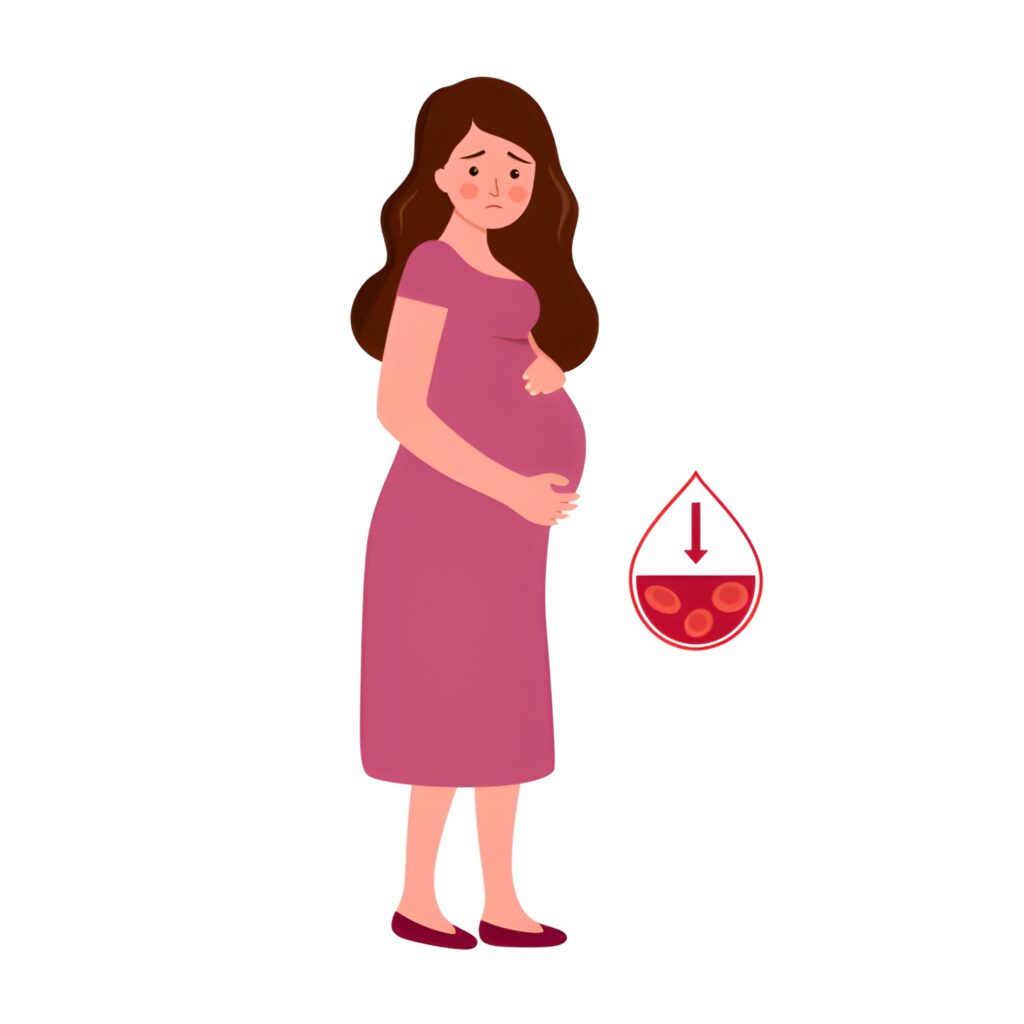
- Increased Blood Volume: The body increases blood production to nearly 50 percent more than its pre-pregnancy volume. This necessary expansion creates circulatory changes, impacting blood pressure and flow to the brain, which can initiate vascular headaches.
- Blood Sugar Fluctuations: Morning sickness and the rapid demands of the fetus can lead to sudden drops in maternal blood sugar. Low blood glucose is a common headache trigger that is more pronounced in the first trimester when nutritional intake is often erratic.
Secondary and Lifestyle Triggers: Spotting the Predictors
Beyond the body's internal changes, lifestyle factors often compound the intensity of headaches. Identifying and mitigating these triggers is a powerful, non-pharmaceutical management strategy.
Severe nausea and vomiting can quickly lead to dehydration, a major headache culprit. Furthermore, many women stop consuming caffeine abruptly after a positive test. Caffeine withdrawal headaches are notoriously painful but temporary. Gradually tapering off caffeine before or during pregnancy is the best preventative strategy. Maintain constant hydration with water or electrolyte-rich drinks.
The early weeks of pregnancy are physically taxing, increasing the need for rest. Insufficient sleep or elevated emotional stress—common when adjusting to pregnancy—can trigger tension headaches. Prioritize sleep aggressively; even a short nap can significantly reduce cranial pressure. Practice simple relaxation techniques like deep breathing or gentle neck stretches.
Safe Management Strategies: Home Remedies and Medication Safety
The primary concern when treating headaches during the first trimester is fetal safety. Many common over-the-counter pain relievers are contraindicated. Focus first on non-pharmacological methods.
Effective Non-Medical Interventions
Simple, consistent lifestyle adjustments prove to be the most effective long-term defense against pregnancy headaches.
- Temperature Therapy: For tension headaches (often felt as a tight band around the head), apply a warm compress or heating pad to the back of the neck. For migraine-like pain (throbbing), a cold compress or ice pack applied to the temples or forehead can constrict blood vessels and offer relief.
- Darkness and Quiet: Lie down in a cool, dark, and quiet room. Sensory deprivation can help halt a headache before it escalates, particularly for those prone to light and sound sensitivity.
- Nutritional Consistency: Eat small, protein-rich snacks every two to three hours to maintain stable blood glucose levels. This prevents the dips that trigger headaches.
Medication Safety: The Acetaminophen Standard
If lifestyle remedies fail, Acetaminophen (Tylenol) is the only generally accepted over-the-counter pain reliever deemed safe for use throughout pregnancy by most US healthcare providers, especially in the first trimester.
It is absolutely critical to avoid Nonsteroidal Anti-Inflammatory Drugs (NSAIDs) such as Ibuprofen (Advil, Motrin) and Naproxen (Aleve) unless specifically directed by a doctor, particularly after 20 weeks gestation, due to potential risks to the fetus's heart and kidneys. Always follow dosage instructions precisely.
Understanding Safe Acetaminophen Dosage
Understanding the maximum safe limit prevents accidental overdose. Always check with your healthcare provider for personalized guidance, but general guidelines exist for the maximum daily intake.
Maximum Daily Acetaminophen Dose
The maximum recommended daily dose of Acetaminophen for adults is generally considered to be 3,000 milligrams (mg) to prevent liver damage. If you use the Extra Strength formulation (500 mg per pill), you must limit your total intake per 24-hour period.
Maximum Safe Daily Dose: 3,000 mg
Dose per Extra Strength Pill: 500 mg
Maximum Daily Pills = (Maximum Dose) / (Dose per Pill)
Calculation: 3,000 mg / 500 mg = 6 pills
Never exceed this maximum total dose, regardless of the dose timing, and consult your provider if you need this level of medication consistently.
Distinguishing Headache Types and Recognizing Red Flags
While most first-trimester headaches are benign and related to hormonal causes, a small percentage can signal a more serious underlying condition. Knowing the difference is paramount for maternal and fetal safety.
When Headaches Signal Danger: Urgent Red Flags
While pre-eclampsia is far more common in the second half of pregnancy, severe headaches can be an early, unusual warning sign or indicate other conditions like severe hypertension. Seek immediate medical evaluation if a headache is accompanied by any of the following symptoms:
- A sudden, severe "thunderclap" headache—the worst pain of your life.
- Blurred vision, seeing spots or flashing lights, or sudden changes in vision.
- Pain accompanied by fever, stiff neck, confusion, or slurred speech.
- Severe headache combined with pain in the upper right abdomen (a sign of severe pre-eclampsia).
- Headache that does not improve after rest, hydration, and an appropriate dose of Acetaminophen.
Proactive Care and the Socioeconomic Context
Accessing care early and understanding insurance coverage for chronic pain management are practical steps for US patients dealing with persistent headaches.
Utilizing Telehealth and Insurance Coverage
If you experience frequent or debilitating headaches, schedule a consultation with your obstetrician. Many insurance plans, under the Affordable Care Act (ACA), cover telemedicine or virtual visits, making it easier and often cheaper to discuss treatment strategies early on without an in-person visit. If migraines are a concern, your provider may refer you to a neurologist who can prescribe pregnancy-safe preventive therapies, which are often covered under specialized prescription drug tiers. Do not assume all services are free; always check co-pays and deductibles before seeking specialty care.
Moving Beyond the Pain
The headaches of the first trimester are often an unavoidable side effect of the incredible biological changes happening within your body. While they can be painful, they are almost always temporary, resolving as your hormone levels stabilize. Your most powerful defense involves strict adherence to hydration, consistent nutrition, and prioritizing rest. By understanding the hormonal triggers and recognizing the critical warning signs, you successfully navigate this uncomfortable early phase, building a foundation of confident, proactive maternal care.
© 2025 Child and Mother Specialist Guidance. All rights reserved.