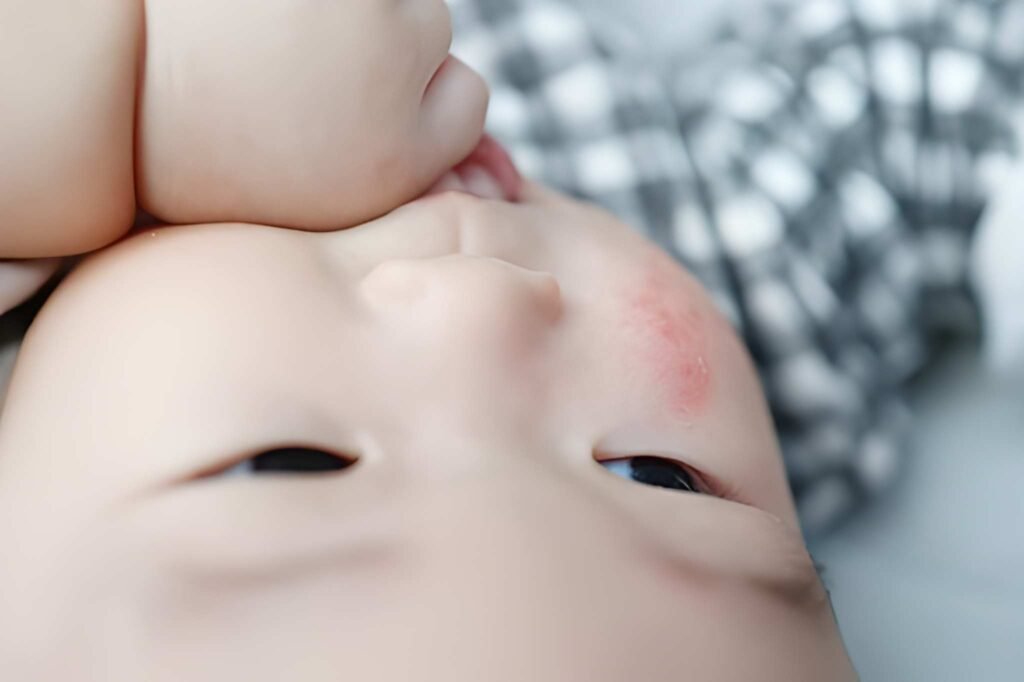
Newborn skin acts as a delicate barrier between an infant and their new environment. During the first few months of life, a baby's skin remains significantly thinner than adult skin, making it highly permeable and reactive. While many parents experience immediate concern at the sight of a red patch or a cluster of bumps, most newborn skin variations are harmless transitions. However, allergic reactions do occur and require a different management approach than common issues like heat rash or baby acne. Recognizing the subtle patterns of an allergic response helps parents eliminate triggers and provide appropriate relief for their child.
The Sensitivity of Neonatal Skin
Infants possess a skin structure that continues to develop long after birth. The stratum corneum, or the outermost layer of the skin, is thinner in newborns, which allows substances to penetrate more easily. This increased absorption rate means that chemicals in soaps, detergents, and lotions reach deeper layers of the dermis, potentially triggering the immune system. Allergic reactions in newborns are essentially the immune system overreacting to a harmless substance, identifying it as a threat and releasing histamines to combat it.
Identifying Allergic Contact Dermatitis
Allergic contact dermatitis occurs when the skin touches a specific substance that provokes a delayed immune response. Unlike simple irritants that cause immediate redness, an allergic reaction might take 24 to 48 hours to manifest after the initial contact. In newborns, this often appears as red, itchy, or even blistering skin. The edges of the rash are frequently well-defined, mirroring the area of contact with the offending item.
Hives and Systemic Reactions
Hives, also known as urticaria, appear as raised, itchy welts that can be red or skin-colored. They often have a "blanching" effect, meaning the center turns white when pressed. Unlike contact dermatitis, hives can appear anywhere on the body, even if the trigger was ingested or inhaled. In newborns, hives frequently signal a reaction to something in the infant's diet (if eating solids) or, more commonly, a reaction to proteins passed through breast milk or formula.
If a skin rash is accompanied by swelling of the lips or tongue, difficulty breathing, wheezing, or extreme lethargy, contact emergency services immediately. These symptoms may indicate anaphylaxis, a severe and life-threatening allergic reaction that requires prompt intervention.
Common Household Triggers
The modern household contains numerous potential allergens that parents might overlook. Because newborns spend a large portion of their day against fabric, laundry products are the most frequent culprits of widespread skin reactions. Traditional detergents use optical brighteners and heavy fragrances that linger in fabric fibers long after the drying cycle ends.
Average loads per week: 7
Weeks per year: 52
Total annual loads: 364
Cost per load (Standard Detergent): 0.18 dollars.
Cost per load (Plant-based Hypoallergenic): 0.24 dollars.
Annual Difference: (0.24 - 0.18) x 364 = 21.84 dollars per year.
For less than 22 dollars a year, parents can eliminate one of the most common sources of systemic skin irritation, potentially avoiding expensive medical visits or prescription creams.
Allergy vs. Normal Skin Changes
Distinguishing an allergic reaction from a benign newborn condition is essential for avoiding unnecessary stress. The following grid outlines the primary differences between common neonatal skin events.
| Condition | Primary Appearance | Typical Location | Cause |
|---|---|---|---|
| Allergic Reaction | Raised, itchy welts or scaly red patches | Site of contact or widespread | Immune system trigger |
| Baby Acne | Small red or white bumps (no itch) | Cheeks, nose, and forehead | Maternal hormones |
| Heat Rash | Tiny clear or red pinprick bumps | Skin folds, neck, and chest | Blocked sweat ducts |
| Erythema Toxicum | Yellowish bumps with a red "halo" | Trunk, arms, and thighs | Normal skin transition |
Prevention and Safe Care Strategies
Protecting a newborn's skin involves a "less is more" philosophy. Over-bathing can strip the skin of its natural oils, weakening the barrier and making it more susceptible to allergens. Pediatricians generally recommend bathing a newborn only two to three times per week until they become more mobile. Using lukewarm water and soap-free cleansers helps maintain the skin's acidic pH, which serves as a natural defense against bacteria and irritants.
The Importance of Patch Testing
Before applying a new lotion or cream over the baby's entire body, perform a patch test. Apply a small amount of the product to the inside of the infant's wrist or ankle and wait 24 hours. If no redness or irritation occurs, the product is likely safe for wider use. This simple step prevents a localized sensitivity from becoming a full-body discomfort.
Dietary Considerations
If an infant develops hives or widespread eczema, the culprit might be a food allergy. While true food allergies usually involve digestive symptoms as well, skin manifestations are common. In breastfed infants, proteins from the mother's diet (most commonly cow's milk, soy, or eggs) can pass through the milk. For formula-fed infants, a switch to a hypoallergenic or extensively hydrolyzed formula might be necessary under a doctor's supervision.
At-Home Management for Mild Reactions
If you identify a mild allergic rash, the first step is to remove the suspected trigger. Wash the affected area with plain water to remove any lingering residue. Applying a cool, damp cloth can provide immediate relief for itching and inflammation. For dry, scaly allergic patches, a fragrance-free emollient or ointment (rather than a lotion) provides a superior barrier to help the skin heal. Avoid using over-the-counter hydrocortisone creams on a newborn unless specifically directed by a pediatrician, as their skin absorbs steroids much more readily than adult skin.
Managing newborn skin requires a blend of vigilance and perspective. While a rash can appear dramatic, the resilient nature of infant skin means that once a trigger is removed, healing often begins rapidly. By observing the patterns of redness and maintaining a minimalist approach to skincare, parents can navigate the first few months of life with confidence, ensuring their baby's first barrier remains strong and healthy.