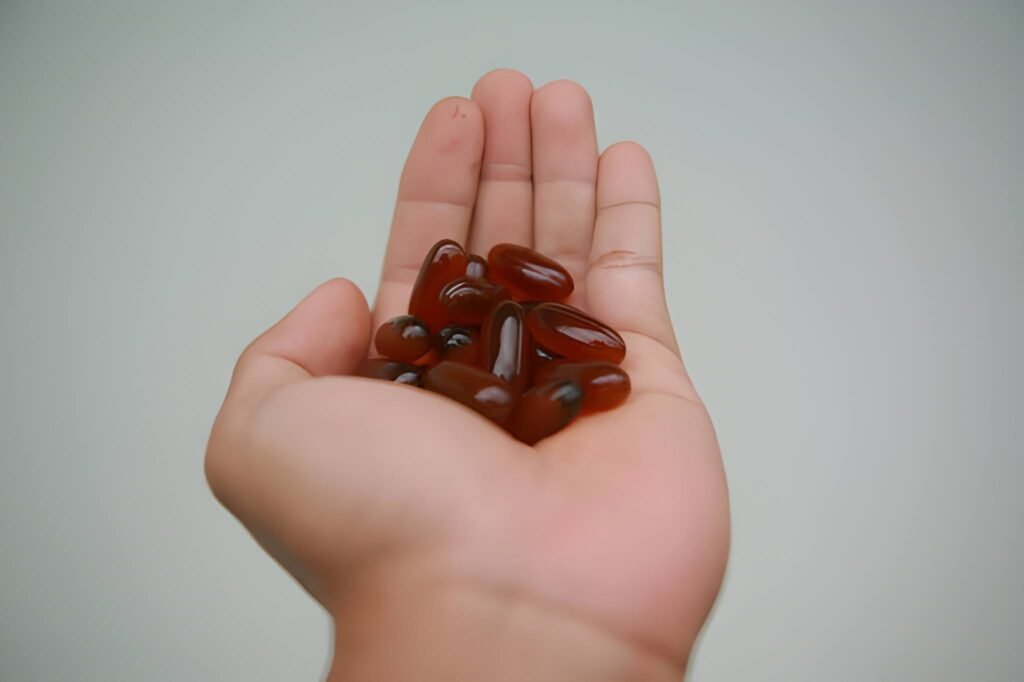
Primal Nutrition: Beef Liver Capsules and Breastfeeding
Navigating whole-food supplementation for postpartum recovery and infant health.
The Density of Whole Foods
Postpartum recovery places an immense metabolic load on the maternal body. Not only are you healing from the physiological stress of childbirth, but you are also producing a complex biological fluid that serves as the sole source of nutrition for your infant. In this context, many mothers look toward "Nature’s Multivitamin"—beef liver—to bridge the nutritional gap.
Liver is arguably the most nutrient-dense organ on the planet. For centuries, traditional cultures prioritized organ meats for child-bearing women. While eating fresh liver is unappealing to many in a modern context, desiccated beef liver capsules have emerged as a popular alternative. As a specialist, I evaluate these supplements based on their ability to provide high concentrations of Vitamin B12, Vitamin A, Heme Iron, and Choline without the fillers found in synthetic counterparts.
Understanding Vitamin A (Retinol): Safety and Limits
The primary concern regarding beef liver capsules during breastfeeding is Vitamin A. It is vital to distinguish between the two types of Vitamin A: Beta-carotene (found in plants like carrots) and Retinol (preformed Vitamin A found in animal products).
The body must convert beta-carotene into an active form, a process that is often inefficient. Retinol, however, is already active. While retinol is essential for infant vision, immune function, and cellular growth, it is fat-soluble. This means it can accumulate in maternal tissues and pass into breast milk in high concentrations.
The Bioavailability Advantage
One reason mothers choose liver capsules over synthetic prenatal vitamins is bioavailability. Synthetic vitamins often use isolated compounds that the body may not recognize or absorb efficiently. Liver capsules provide nutrients in a "food matrix," complete with the enzymes and co-factors that naturally occur in the organ.
Often requires a conversion step in the liver and may be excreted more quickly by the kidneys. Some individuals with specific genetic markers (MTHFR) struggle to process synthetic B vitamins.
Found in beef liver in its natural form. It is highly absorbable and directly supports maternal energy levels and infant neurological development.
Focus on Iron and Choline
Iron deficiency anemia is a widespread issue for postpartum mothers. Most supplements use "non-heme" iron, which is notorious for causing constipation and digestive upset.
The Heme Iron Factor
Beef liver is a potent source of heme iron, the form found in blood and muscle. Heme iron is absorbed at a rate 2 to 3 times higher than non-heme iron from plants. This allows mothers to restore their iron stores more effectively without the gastrointestinal distress associated with traditional iron pills.
Choline: The Brain Builder
Choline is a "critical" nutrient for infant brain development, yet many prenatal vitamins contain little to none. Liver is one of the top sources of choline. During lactation, a mother’s choline requirements increase significantly as she exports large amounts into her milk to support the baby's rapidly growing brain and memory centers.
Sourcing Matters: Why Quality is Non-Negotiable
The liver’s function is to filter toxins, which leads to a common misconception that the liver "stores" toxins. In reality, the liver processes toxins and sends them to be excreted. However, a liver can only be as healthy as the animal it came from.
Always prioritize 100% grass-fed and finished beef liver. Grain-fed cattle are often exposed to higher levels of pesticides and antibiotics, which can leave residues. Grass-fed liver also contains a superior ratio of Omega-3 to Omega-6 fatty acids.
Animals raised in open pastures have higher Vitamin D levels due to sun exposure. This translates to a more nutrient-dense capsule for the mother.
Reputable brands will provide "third-party testing" results. This ensures the capsules are free from lead, mercury, and arsenic, which are the primary contaminants of concern for nursing infants.
Liver vs. Synthetic Multivitamins
When comparing these two approaches, we see a clear distinction in how the body partitions these nutrients into the milk supply.
| Nutrient | Synthetic Source | Beef Liver Source | Infant Benefit |
|---|---|---|---|
| Vitamin A | Retinyl Palmitate | Natural Retinol | Vision and Skin Health. |
| Iron | Ferrous Sulfate | Heme Iron | Cognitive function. |
| Folate | Folic Acid | Natural Folate | DNA synthesis. |
| B12 | Cyanocobalamin | Methylcobalamin | Nervous system growth. |
Safety Calculations and Limits
To determine if beef liver capsules are safe for you, you must calculate your total daily intake of Vitamin A across all sources, including your prenatal vitamin and diet.
The Specialist Clinical Perspective
In my clinical practice, I view beef liver capsules as a powerful tool for the "depleted" mother. The postpartum period is often a state of nutritional debt. While a synthetic multivitamin acts as an insurance policy, whole-food capsules act as a direct investment in the quality of the milk and the energy of the mother.
However, more is not always better. Because liver is so concentrated, you should not exceed the manufacturer’s recommended dose. If you are already consuming fresh liver once or twice a week, you likely do not need the capsules. The goal is to reach a state of nutritional sufficiency, not excess.
Always monitor your infant for signs of Vitamin A sensitivity, such as unusual skin dryness or irritability, though these are extremely rare at standard dosages. For most nursing mothers, a high-quality, grass-fed beef liver supplement provides the B-vitamins and heme iron necessary to combat the fatigue of early motherhood while ensuring the infant receives a nutrient-dense milk supply.
Sourcing remains the ultimate factor. If the budget allows, choose brands that are freeze-dried rather than heat-processed, as heat can degrade fragile B-vitamins. By focusing on quality and staying within the calculated safety limits, you can utilize this ancient nutritional powerhouse to support your modern breastfeeding journey.